The brutal reality of a 0.03 demographic rating
The NFL Draft didn't just win Thursday night; it liquidated the competition, leaving TNA iMPACT! with a 0.03 rating in the 18-49 demographic. For a promotion trying to find its footing on AMC, that number is more than a rounding error. It represents a total collapse of the core audience that advertisers actually care about. When you look at the raw data, it becomes clear that wrestling fans are, first and foremost, sports fans who will migrate to a live event every single time.
According to reports from BodySlam.net, the April 23rd episode drew a total of 175,000 viewers. While that total might sound respectable for a secondary cable network, the context tells a darker story. The drop was significant enough to set off alarms. It suggests that TNA lacks the 'appointment viewing' armor required to survive a collision with a major sporting juggernaut like the NFL Draft.
A 0.03 rating in the key demo roughly translates to just 39,000 viewers in that 18-49 age bracket. This means that nearly 78% of the 175,000 people watching were over the age of 50. This is the 'death zone' for modern television production. If you can't capture the youth, you can't command the ad rates needed to sustain a touring product. The NFL Draft didn't just borrow these viewers; it exposed the fragility of the current TNA audience base.
The NFL Draft as a ratings predator
The NFL Draft is a unique monster in the cable television hierarchy. It isn't a game, but it carries the stakes of a championship final. On the night of April 23rd, millions of casual sports fans tuned in to see their team's future. TNA was essentially trying to sell a scripted brawling show against a reality show with billion-dollar consequences. The result was a statistical massacre that left iMPACT! reeling in the basement of the Nielsen charts.
As F4WOnline confirmed, the viewership took a massive hit against the 'tough sports competition.' We have seen this pattern before, but the scale here is alarming. Usually, a loyal wrestling audience provides a 'floor' — a minimum number of viewers who will never turn the channel. On Thursday, that floor gave way. It implies that a huge chunk of TNA's recent growth has been built on 'channel flippers' rather than 'die-hards.'
The math of a 175,000-viewer night is punishing. When you factor in the DVR +3 numbers, you might see a slight recovery, but the 'Live + Same Day' data is what drives the conversation in the boardroom. Falling to a 0.03 is a signal that the move to AMC hasn't yet built the kind of brand loyalty that can withstand a stormy night of counter-programming.
The mystery opponent trap and creative stagnation
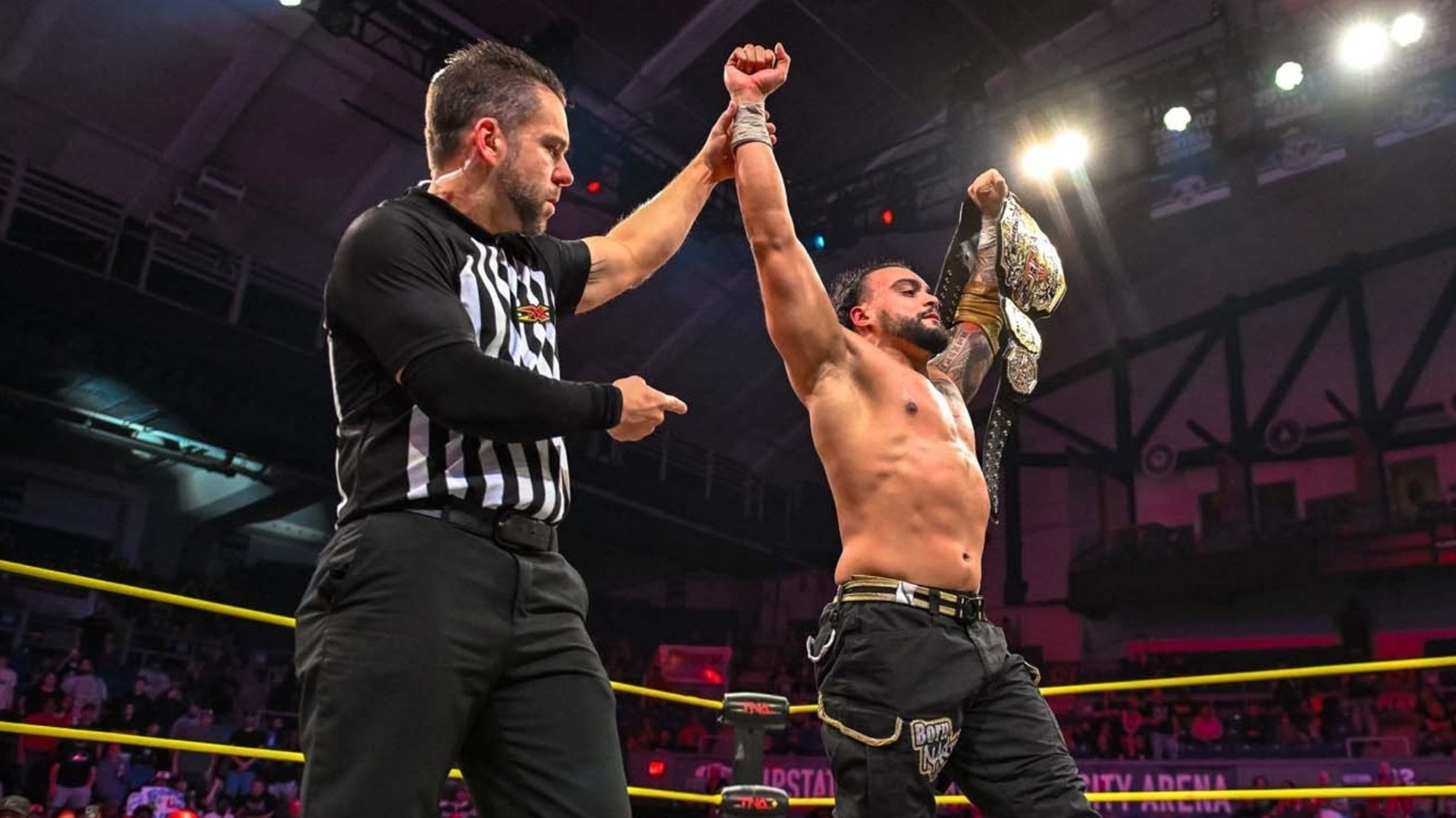
While the NFL Draft is an easy scapegoat, the creative choices for the evening didn't help. TNA announced that Mustafa Ali would defend his TNA International Title against a mystery opponent. In the world of wrestling data, 'Mystery Opponent' is often a double-edged sword. It can pique interest, but more often than not, it feels like a placeholder. When you are going up against a live draft, you need a hook that is confirmed and high-stakes, not a question mark.
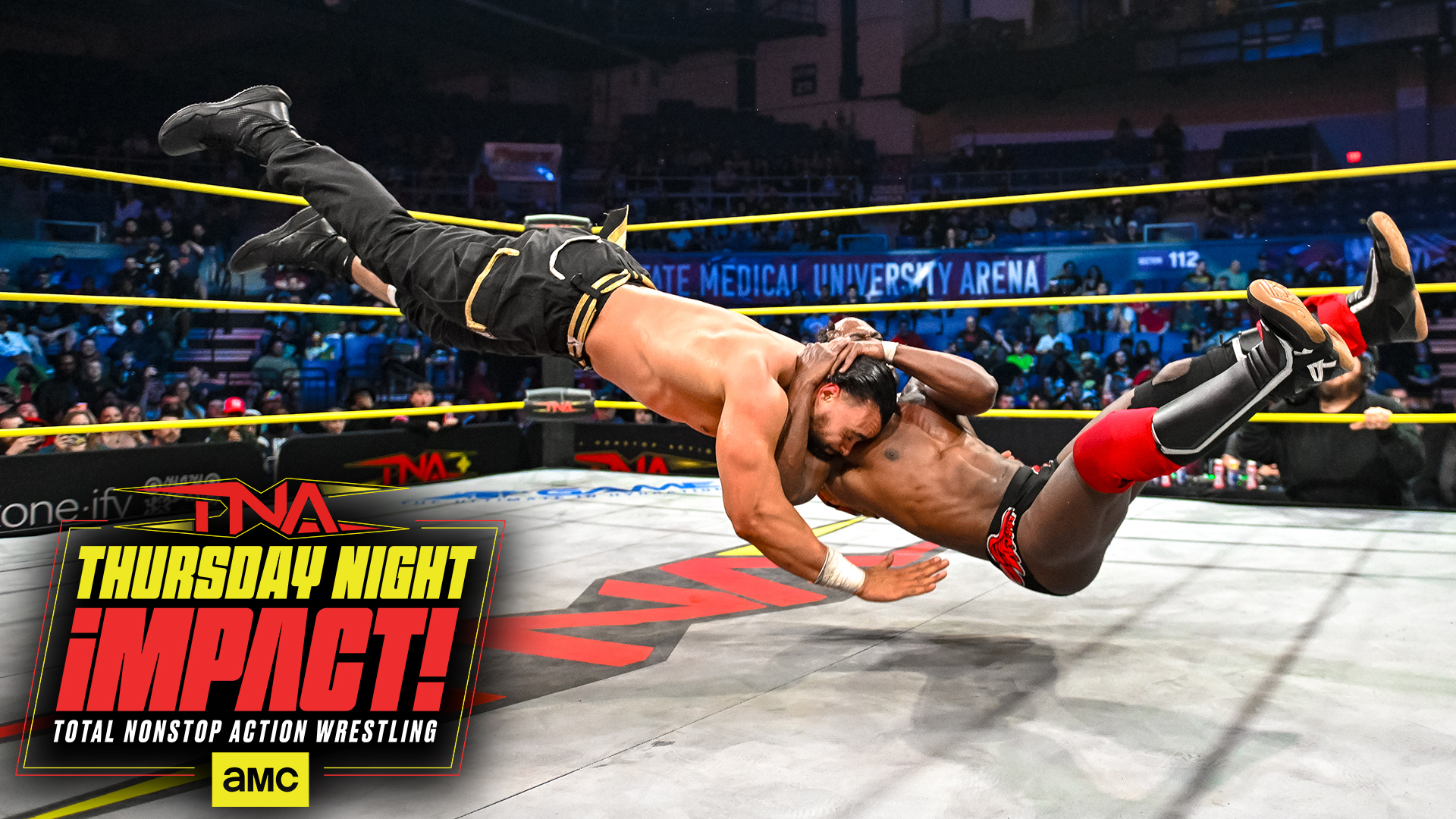
Mustafa Ali has been a workhorse for the brand, but even his technical brilliance at 14 minutes of fast-paced action can't compete with the drama of a first-round pick. Using a mystery opponent on a night you know will be low-rated is essentially a white flag. It’s a way of saying 'we aren't even going to try to burn a big match tonight.' The numbers reflected that lack of ambition. Fans don't tune in for 'maybe' when they have 'definitely' on the other channel.
Technical failures in audience retention
If we look at the quarter-hour breakdowns, the picture likely worsens. Most cable shows experience a 'lead-in' boost that slowly decays over 120 minutes. For TNA, the decay rate against the NFL was likely a steep cliff. By the time the main event hit the ring, it is probable that the viewership was hovering closer to 150,000 than the 175,000 average. This lack of 'stickiness' is a technical failure of the show’s pacing.
There is a specific lack of urgency in the middle-of-the-pack segments that allows viewers to justify switching to ESPN. A backstage promo or a three-minute squash match is the perfect exit ramp for a viewer who is curious about who the Cowboys just drafted. TNA hasn't figured out how to 'lock the doors' on their audience. They are losing the 18-49 cohort because they aren't offering anything that feels essential in the moment.
The drop of 30% in specific key segments is a warning. If TNA wants to be taken seriously as the #3 promotion in North America, they have to stop being a secondary option. They need to create a product that fans feel they would miss something vital if they turned the channel for five minutes. Right now, the data says fans feel very comfortable missing TNA to watch a podium speech in Detroit.
The AMC distribution gamble isn't paying off yet
Moving to AMC was supposed to be the catalyst for a new era. The network has a much higher ceiling than AXS TV ever did. However, a higher ceiling also means a colder floor. When you are on a larger network, a 175,000-viewer night looks like a failure rather than a 'solid showing.' The expectations have shifted, but the content hasn't evolved to meet them. TNA is still producing a show that feels like it belongs in a smaller room.
The statistical delta between TNA and its competitors is widening. While WWE and AEW have their own ratings struggles, they maintain a demographic 'moat.' TNA’s moat is currently filled with 0.03 ratings and aging viewers. To fix this, the promotion needs to pivot away from the 'mystery' tropes and toward high-intensity, documented rivalries that have a 'must-see' data signature. You can't just be 'good wrestling'; you have to be 'consequential television.'
The final takeaway from this ratings disaster is simple: the brand is currently invisible to the casual sports fan. If the NFL Draft can erase a third of your audience, you aren't a brand; you are a commodity. TNA has a massive job ahead of them to rebuild that 18-49 demo before the summer doldrums hit and the numbers sink even further. This isn't just a bad night; it's a systemic risk that Anthem and AMC need to address before the 0.03 becomes the new normal.