The New Orleans Pressure Cooker
Running a wrestling show in New Orleans during the spring is an entirely different beast.
The humidity hangs in the rafters. The crowds are notoriously demanding, trained by years of massive weekend events and historic dome shows to sniff out anything less than total commitment. TNA Wrestling is walking straight into that pressure cooker this Friday with their Sacrifice pay-per-view, followed immediately by television tapings on Saturday.
This is not a polite market. If you bring a B-level effort to Louisiana, the audience will let you know before the opening bell rings. It requires genuine intensity, a willingness to lay things in and work snug.
TNA has the roster to do exactly that, but the format of this weekend presents a massive structural challenge. Friday night is about the immediate dopamine hit. It is the big show, the live broadcast, the event where titles theoretically change hands and major angles peak. But anyone who understands the modern wrestling industry knows that Saturday is where the actual money is made.
The Trap of the Back-to-Back
Saturday dictates the next month of television. It is the absolute grind.
You are asking a roster that just battered themselves for a live audience 24 hours prior to wake up, tape their joints, and shoot four weeks of episodic television in a single evening. The pacing required to pull that off without burning out the live crowd is a tightrope walk. Historically, TNA has walked into this exact trap and stumbled.
You see it at least twice a year. They book a fantastic, physically exhausting live event on Friday. The talent leaves everything in the ring. The fans go home happy.
Then Saturday rolls around. The crowd is a mix of diehards who bought the weekend package and locals expecting another pay-per-view caliber card. Instead, they get the disjointed reality of a TV taping.
Commercial breaks interrupt the flow. Entrances stall. Promos get shot twice because of a microphone failure. The energy dips, the crowd gets quiet, and suddenly the television product looks dead on arrival for the next month.
To survive this weekend, management has to stagger the workload. You cannot have a workhorse like Josh Alexander wrestle a thirty-minute broadway on Friday and expect him to carry the main event segment on Saturday. It requires ruthless efficiency. The undercard needs to step up and eat minutes on the tapings.
Analyzing the In-Ring Toll
Look at the physical reality of the current TNA style. They have consciously moved away from the chaotic, crash-and-burn brawls of their past.
The modern product is grounded in heavy, deliberate offense. It is a lot of stiff forearms, snap suplexes, and grueling limb work. It looks incredibly credible, but it demands a massive physical toll from the performers.
Taking a flat back bump on a Friday night hurts. Taking one the next night when your neck is already stiff is pure misery. You can always spot the guys who are working hurt during these Saturday tapings. They alter their footwork. They hesitate slightly before running the ropes.
This is my biggest criticism of TNA's current booking rhythm. They ask too much of their top stars on consecutive nights.
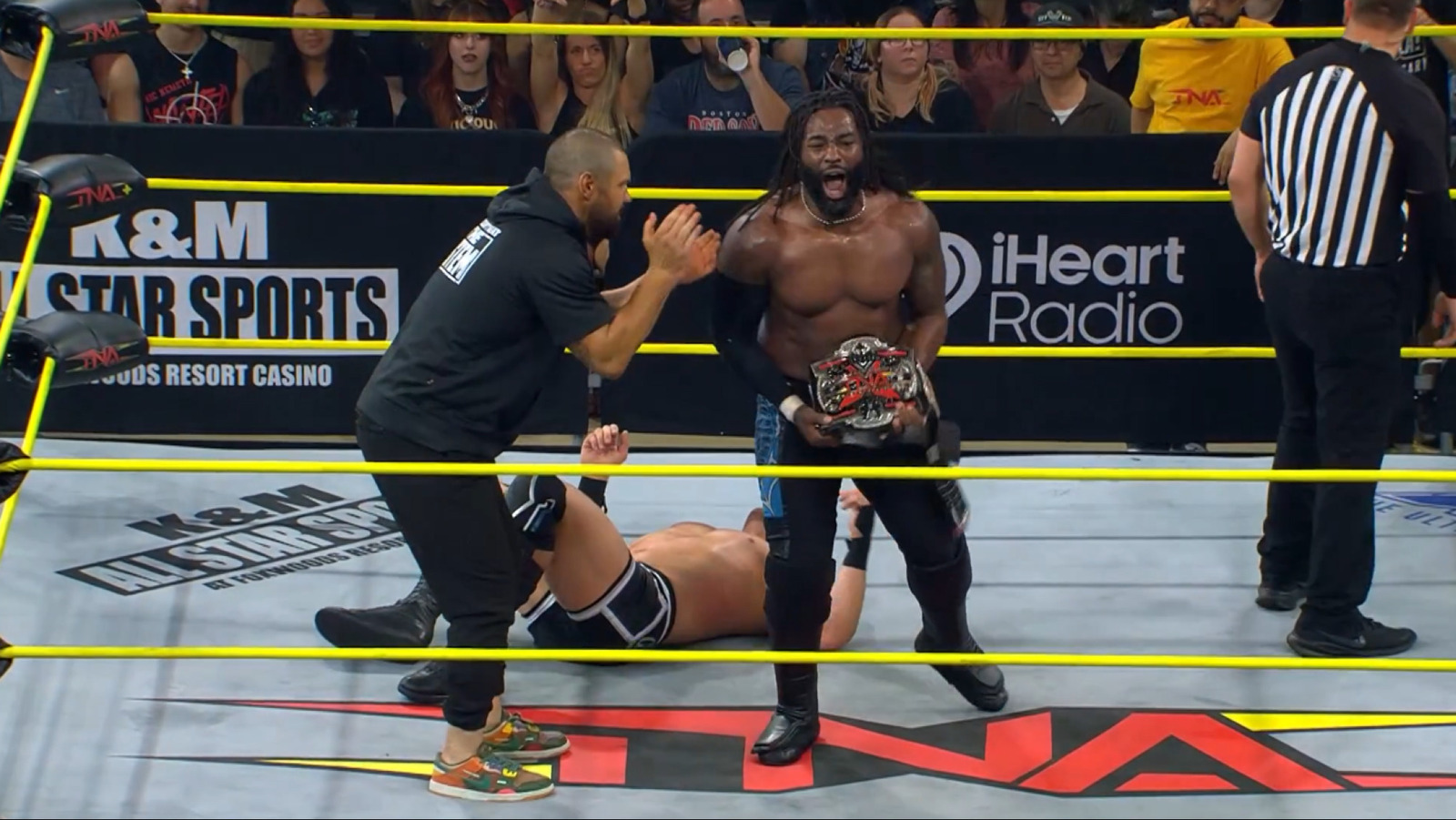
They need to protect their main event scene. We don't need to see World Champion Moose wrestle twice this weekend. Let him cut a promo on Saturday. Let him do commentary. Save the bumps for the matches that actually draw money.
Furthermore, the overreliance on interference finishes during live specials has to stop. It is a lazy crutch. If you book a match for Sacrifice, give us a clean finish.
A dusty finish on Friday does not automatically create heat for Saturday; it usually just annoys the paying customer. The audience is too smart for cheap heat in 2026. They want decisive outcomes.
The State of the Tag Division
We need to talk about the tag team mechanics. Tag team wrestling is the ultimate barometer of a promotion's health. When a company is struggling, tag matches devolve into chaotic tornados with zero psychology.
When a company is healthy, tag matches are masterclasses in ring positioning. It is about cutting off the ring, isolating the babyface, and building an agonizingly slow path to the hot tag. TNA used to be the gold standard for this art form.
Lately, they have slipped into bad habits. We are seeing too many four-way tags where the referee completely loses control by the three-minute mark. It turns into a spot-fest. That might pop a crowd for a quick highlight reel, but it does absolutely nothing to build long-term viewing habits.
I want to see strict enforcement of the rules this weekend. If a partner jumps into the ring without a tag, the referee needs to physically force them out. If they refuse, call for the bell. A disqualification for breaking the rules establishes that the rules actually matter.
Without rules, a wrestling match is just a cooperative stunt show. The audience needs to believe in the struggle. They need to feel the desperation of a wrestler reaching for a tag while their opponent drags them back to the center of the canvas by their ankle. That fundamental psychology is what separates a decent taping from a great one.
The Shadow of WrestleMania
We cannot ignore the calendar. We are sitting at March 25. WrestleMania 41 is exactly 25 days away.
AEW Dynasty is looming on March 30. The entire wrestling industry is currently operating in the shadow of the biggest promotional machines on the planet. Every wrestling fan has a limited amount of bandwidth, both mentally and financially.
TNA is fighting for a slice of an incredibly crowded pie. They cannot afford a transitional weekend. Every segment taped in New Orleans has to scream importance.
They have to present an alternative to the stadium spectacles—something grittier, something that feels a little more dangerous. They have the talent to do it.
The Knockouts division, anchored by the sheer physical dominance of someone like Jordynne Grace, remains one of the most consistently hard-hitting rosters in the world. They do not waste motion.
Every strike has intent, and their matches rarely suffer from the cooperative, choreographed feeling that plagues so much modern wrestling. But they need the platform to breathe.
Management has to trust them to go out there and call it in the ring, rather than scripting every single sequence. The pacing of the Friday broadcast will tell us everything about their strategy for the spring.
Tactical Breakdowns and Expectations
Here is what I am watching for as the weekend unfolds:
- The X-Division deployment: A fast-paced, high-risk scramble featuring technicians like Mike Bailey early in the Saturday taping is mandatory to wake up the crowd.
- Midcard rotation: Pay attention to who takes the pinfalls on Friday. Those same wrestlers need to be protected on Saturday to avoid killing their credibility entirely.
- Audio production: New Orleans venues can echo. The ring canvas needs to be mic'd perfectly to capture the visceral impact of the mat.
This is where the production truck earns their pay. They need to catch the facial expressions. They need to tighten the camera angles during the submission holds.
Do not cut to the crowd when someone is trapped in a crossface. Keep the lens on the agony. Sell the struggle.
The Final Prediction
TNA will deliver on Friday. Sacrifice has historically been a strong show for them, and the talent knows they have to spike the needle before WrestleMania week completely takes over the news cycle.
I expect a violently physical main event, likely stretching past the 20-minute mark, filled with stiff strikes and a clean, definitive finish.
But the real test is Saturday. The tape will show us who has the stamina to carry this company through the summer. I predict a sluggish start to the Impact tapings, followed by a mid-card breakout performance that saves the second half of the night.
TNA will leave New Orleans with momentum, but only if they respect the intelligence of the audience and keep the booking painfully simple. No swerves. No nonsense. Just professional wrestling.