Suit-and-tie logic meets the squared circle
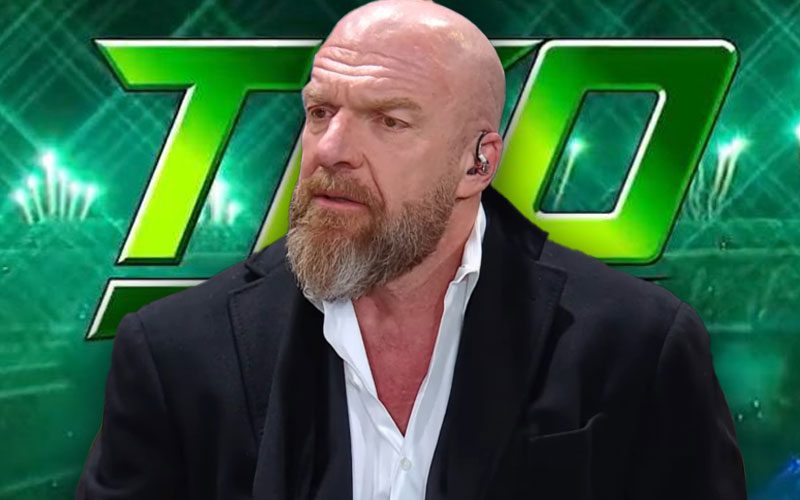
There is a specific temperature inside a wrestling arena that you just cannot quantify in a quarterly earnings call. When the crowd in Chicago starts chanting for a belt that hasn't been relevant since 2018, or when a main event feels like a contractual obligation rather than a high-stakes collision, that is not just noise. It is data. Yet, the folks in the TKO boardroom seem determined to read that room as an inherent cost of doing business.
We recently heard the line that there will always be periodic fan dissatisfaction regarding creative execution. It sounds like a consultant’s wet dream, a way to dismiss genuine, passionate critique as nothing more than the background static of a fandom that is never satisfied. It is the kind of sanitized corporate speak that ignores why we actually tune in every single week. We watch for the payoff, not the process.
Creative isn't a factory assembly line
Let’s talk about reality. When Dakota Kai took her hiatus, fans didn't riot because they hated the product; they rioted because they understood the toll that the grind takes on a human body. That is a knowledgeable audience. When the booking leans into repetitive rematches that feel like they were pulled from a stale booking sheet in 2004, the fans aren't just being difficult. They are paying for a premium product and asking for the quality to match the ticket price.
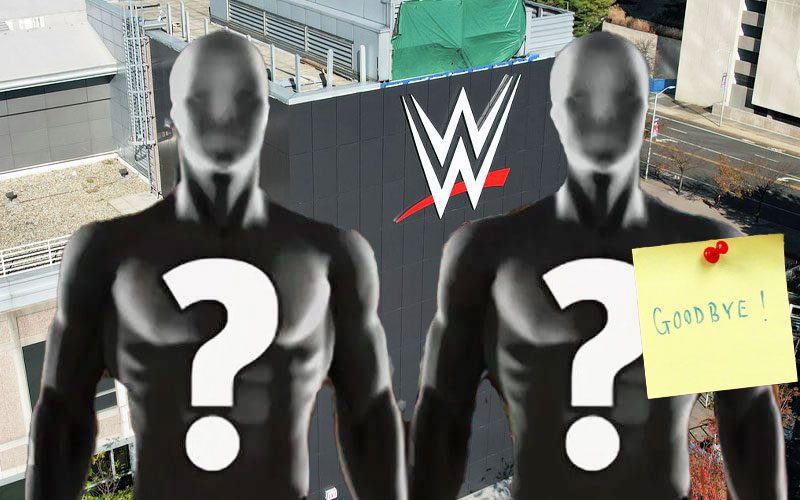
The argument that fan dissatisfaction is an evergreen constant misses the glaring difference between subjective taste and objective narrative collapse. Nobody is complaining because they are bored; people are complaining because the internal logic of the storytelling keeps hitting speed bumps. When you look at the recent departures, such as those that saw the New Day split up, the problem becomes obvious. You can churn out content that hits the metrics, but you cannot manufacture investment if the foundation starts to crack.
The danger of resting on the current peak
WWE is currently riding a massive wave of popularity, but treating the audience like a captive market is a dangerous game. Look back at the mid-90s if you want a history lesson on what happens when a company feels too comfortable. The 83 weeks of WCW dominating the ratings felt like an ironclad certainty until the very moment the wheels completely fell off the bus.
Fan frustration is usually a lagging indicator of creative laziness. When a segment feels like it was written in fifteen minutes to meet a broadcast window, the crowd feels that lack of effort immediately. It is the difference between a main event at Backlash that advances a character arc versus one that simply burns time on network television. The TKO executives might think they are just managing the brand, but they are playing with the emotional capital of the most loyal fanbase in sports.
Ignoring the fans because it's convenient is how you turn a passionate community into a cynical one. The moment people stop complaining and start being indifferent, that is when the business actually dies. The criticism isn't a bug; it is a feature that keeps the writers honest. If the creative leads stop listening, we are all just watching a product that has lost its soul in favor of a spreadsheet.
The upcoming Backlash event is essentially a stress test for this philosophy. We have the potential for electric matches, but the booking needs to prove it isn't just treading water. If the writers treat the audience like a noise source to be managed, the quality will inevitably suffer. Real wrestling success comes from taking those notes—the ones that sting—and turning them into a better show. Anything less is just corporate math being passed off as storytelling.