The Anatomy of a Corporate Fracture
The executive suites at TKO Group Holdings are dealing with a significant structural setback this week. A report from Puck News indicates an impending stockholders lawsuit is targeting the 2023 sale of WWE to Endeavor. This isn't just a minor legal scrape. It is a fundamental challenge to the fiduciary integrity of the deal that birthed the $21 billion combat sports giant we see today. Stockholders are alleging that the merger process was less of a fair fight and more of a scripted finish designed to benefit a handful of insiders at the expense of the rank-and-file investors.
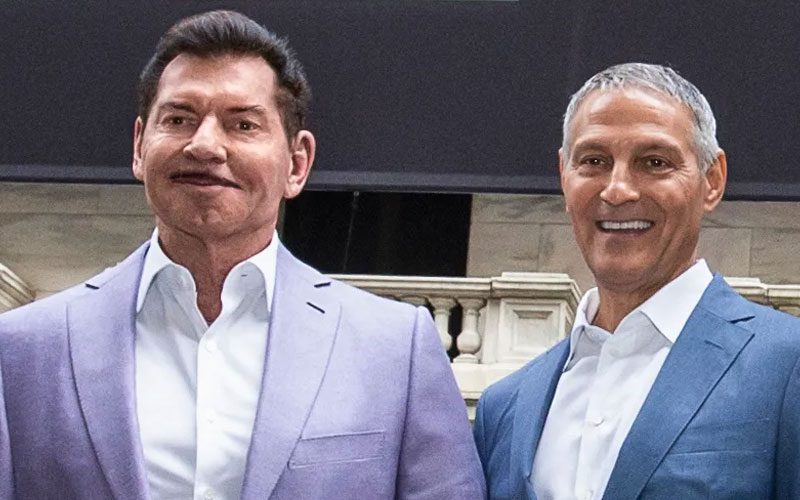
The timing is particularly rough for TKO leadership. We are sitting on the edge of the UCL Semi-Finals and the build-up to WWE Backlash 2026. While the creative team is sprinting toward a massive summer, the corporate body is showing signs of legal fatigue. This lawsuit suggests that the initial "injury" occurred during the chaotic window of January 2023 when Vince McMahon forced his way back onto the board. The litigation points to a lack of a competitive bidding process, suggesting the board bypassed more lucrative offers to facilitate McMahon’s preferred exit strategy with Ari Emanuel.
The grievance centers on the transition of power where Endeavor secured a 51 percent controlling interest in the new entity. According to PWInsider, the legal focus is on whether the WWE board breached its Revlon duties. These duties require a board to maximize short-term value for shareholders during a change of control. By effectively shutting out potential suitors like Disney or the Saudi Public Investment Fund, the board may have left billions on the table. This is the corporate equivalent of a referee missing a blatant low blow in the middle of a championship match.
The Pre-Existing Condition: McMahon’s Hostile Return
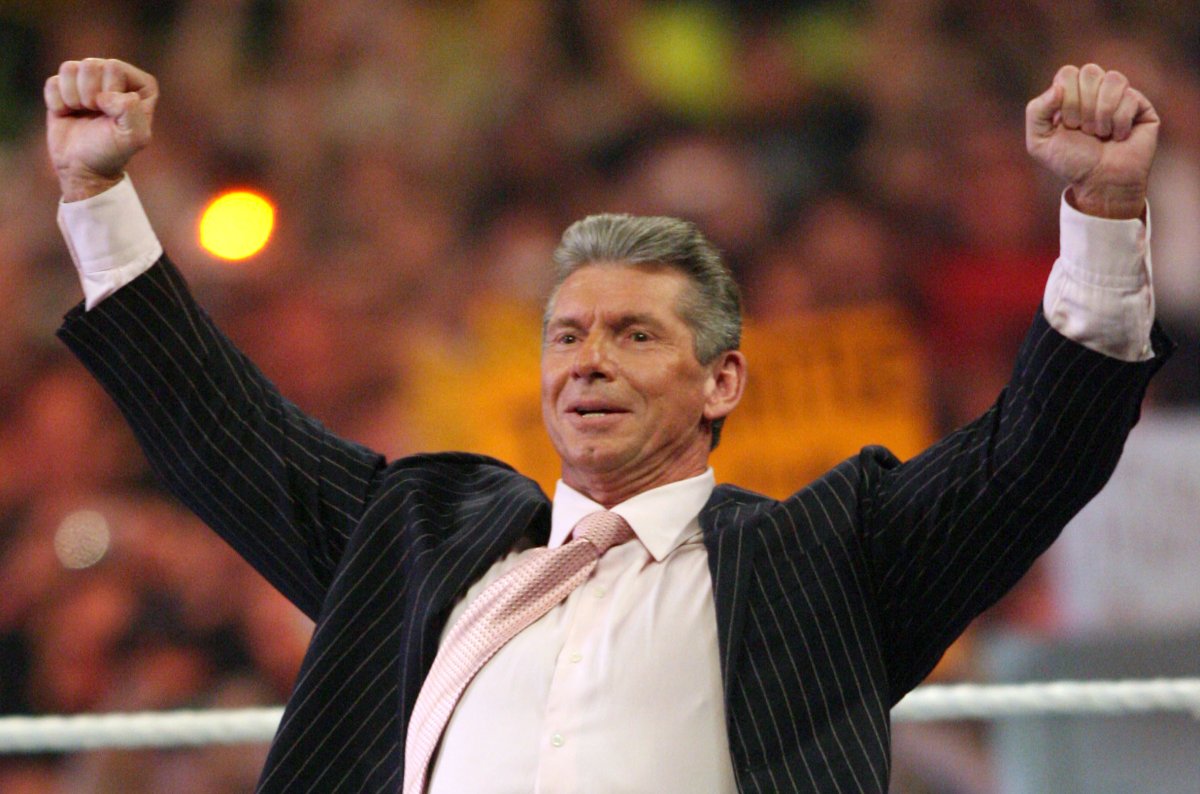
To understand the current legal trauma, you have to look back at the January 2023 power play. Vince McMahon utilized his Class B super-voting shares as a blunt force instrument. He didn't just walk back into the building; he decapitated the existing governance structure to install himself as Executive Chairman. This maneuver created a toxic executive environment that many stockholders believe forced a rushed sale. The lawsuit argues that the board’s decision-making was compromised by the very presence of a majority shareholder who had already demonstrated a willingness to burn the house down to regain his seat.
The "medical" history of this deal is messy. When McMahon returned, he explicitly stated he would not support any media rights deal or sale unless he was part of the process. This effectively handcuffed the board. It turned a global auction into a two-man conversation between McMahon and Emanuel. For stockholders, this was a clear case of self-dealing. They see a merger that protected McMahon’s influence and executive standing while potentially suppressing the stock’s true market ceiling. The upcoming court battle will likely expose internal emails and board minutes that detail exactly how much "fiduciary stress" was placed on Nick Khan and the rest of the leadership team during those negotiations.
We’ve seen similar pathologies in the combat sports world before. When Endeavor initially purchased UFC, it faced a series of antitrust and stockholder complaints that took years to resolve. Just recently, TKO agreed to a $335 million settlement to resolve separate litigation involving UFC fighter pay. That settlement was a necessary surgery to clean out the books, but this new WWE stockholder suit represents a fresh infection in the corporate bloodstream. It suggests that TKO’s aggressive expansion strategy has left behind a trail of unresolved liabilities that are now coming due as we head into April 2026.
Strategic Implications and the Recovery Timeline
The immediate impact of this litigation is a diversion of executive focus. Ari Emanuel and Mark Shapiro are trying to navigate a complex media rights environment while this legal anchor drags on their momentum. Every hour spent in depositions is an hour not spent securing the next massive sponsorship or global television deal. The critical observation here is that TKO’s "merger of equals" branding is starting to look like a convenient fiction. The lawsuit highlights a power imbalance that favors the Endeavor executive branch, leaving original WWE investors feeling like they’ve been relegated to the mid-card.
What is the expected timeline for a resolution? Legal experts suggest this could drag into 2027. Unlike a standard ACL tear or a fractured orbital bone, corporate litigation doesn't have a predictable healing rate. We are looking at a multi-year process of discovery, motions, and potential settlement talks. If TKO chooses to fight this to a verdict, they risk a massive payout that could dwarf the UFC fighter settlement. The "recovery" for the stock price will depend on how quickly they can cauterize this legal wound and prove that the merger actually delivered the promised synergies.
There is a noticeable lack of transparency in how the board evaluated the "all-stock" nature of the transaction. Stockholders are rightfully skeptical that a cash-rich offer from a media conglomerate wouldn't have been a healthier outcome for the long-term stability of the company. Instead, they are tied to the volatility of TKO’s combined performance. It’s a high-risk, high-reward strategy that looks increasingly like a gamble made by a few individuals rather than a calculated move for the collective good. This lawsuit is the inevitable pushback from an investor class that is tired of being told to "trust the process" while their influence is diluted.
The broader industry is watching this closely. If the stockholders win or secure a massive settlement, it sets a dangerous precedent for future sports media mergers. It tells every majority owner that they can’t simply steamroll a board of directors without facing a legitimate financial penalty. For TKO, this is a moment of reckoning. They’ve spent the last two years celebrating their size and reach. Now, they have to defend the very foundation of how that size was achieved. The corporate body is on the table, and the legal surgeons are just starting to make their first cuts.