The final chapter for a legendary mask
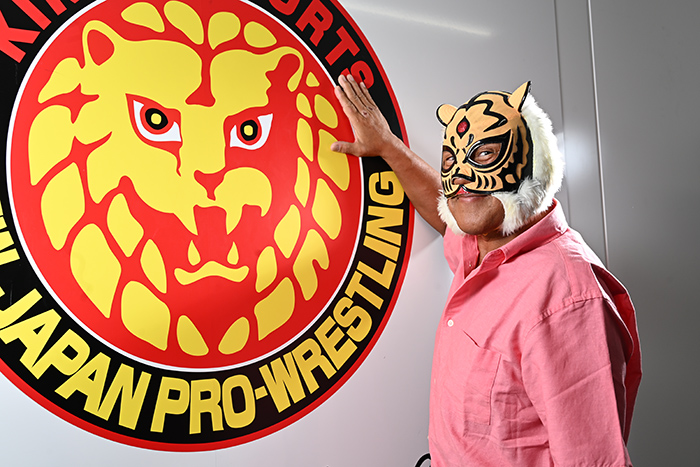
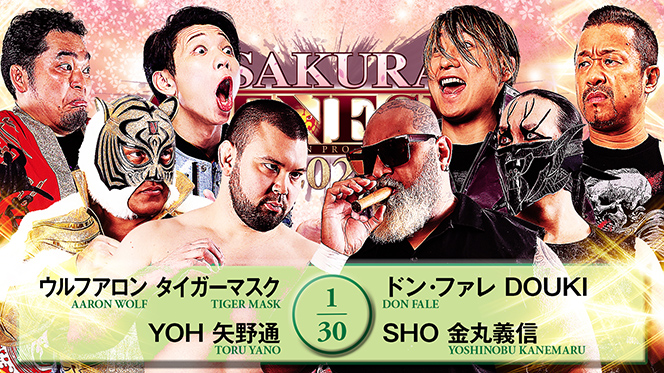
The iconic Tiger Mask has officially initiated the final phase of his storied in-ring career. During the April 2, 2026, Road to Sakura Genesis event in Tokyo, the veteran announced his upcoming retirement match. After decades of high-flying maneuvers and technical masterclasses, the physical toll has simply become too heavy to ignore.
While the announcement signals the end of an era, the immediate reality for the NJPW roster is a significant reshuffling of the junior heavyweight division. Tiger Mask has remained a constant presence in multi-man matches throughout the current tour despite evident limitations in his mobility. His recent performances have highlighted the widening gap between his legendary status and the current pace of the junior division.
Physical breakdown and career longevity
Tiger Mask has been battling chronic knee and lower back issues for the better part of three years. These persistent ailments were clearly visible during his recent tag team encounters at Road to Sakura Genesis. Observers noted that while his timing remains sharp, his explosive agility—once his greatest asset—has been severely curtailed by compensatory injuries in his joints.
This is a familiar trajectory in professional wrestling. Veterans who rely on high-impact aerial offense often face accelerated degradation of connective tissue. Similar to the final runs of other junior legends, Tiger Mask has struggled to maintain the demanding cardio required for the current NJPW standards. The recovery time for his specific kinetic chain injuries has pushed past the point of viable return to full-time slots.
Impact on NJPW bookings
The absence of Tiger Mask from the active roster removes a reliable hand for the preliminary six-man and eight-man tags that anchor NJPW events. These matches provided consistent screen time for emerging talent, but they also acted as a crutch for booking staff who rely on legacy names to fill cards. Without that safety net, the promotion must now commit to younger performers in these specific time slots.
This transition should have started 18 months ago. Instead, NJPW relied on the character’s goodwill to pad cards that lacked depth in the junior ranks. The failure to properly elevate new faces at the expense of an aging star is a clear booking error that has now reached its deadline. Management is forced to pivot because the physical reality of the performer no longer permits the status quo.
Strategic consequences for the division
The junior division is currently top-heavy. With WrestleMania 41 looming, the industry’s focus has shifted toward high-profile spectacle, often leaving regional promotions like NJPW to find their unique selling points amidst the noise. Losing a recognizable figure like Tiger Mask is a blow for name value, yet it offers an opportunity to lean into a faster, more modern identity.
If the promotion attempts to fill this void with undercard retreads, they will lose the chance to build a fresh, high-speed hierarchy. The roster depth in the junior ranks is currently 14 athletes competing for limited marquee spots. Reducing that count by one should logically increase the remaining players' individual minutes, shifting the burden of performance to the next generation of stars.
Historical context for the retirement
Transitioning from an active roster member to a retired legend is notoriously difficult in Japanese wrestling. Tiger Mask faces the same risk as his predecessors: a retirement match that emphasizes spectacle over physical capability. If the bout is booked with too many spots that he cannot realistically perform, the farewell will ring hollow.
Successful retirement transitions in the past have focused on limiting the star’s movement while highlighting their character work. We have seen recent results from Tokyo confirm the appetite for these final moments, but fans require a coherent storyline. If the match is treated strictly as a ceremonial exit, it may serve as an emotional bookend to a legendary career. However, if the promotion tries to squeeze one last high-intensity contest out of compromised joints, the risk of a final injury occurring during the farewell is non-zero.
Strategic focus must now turn to the successor of the gimmick or, preferably, the elevation of the current junior crown to replace the void. Wrestling history reveals that keeping the past on TV too long hinders the future. Tiger Mask has done his job; it is now on the promotion to ensure that his exit functions as a catalyst rather than a vacancy. The next three months before the busy summer schedule will determine if they can successfully bridge this gap.