The cold reality of the Performance Center conveyor belt
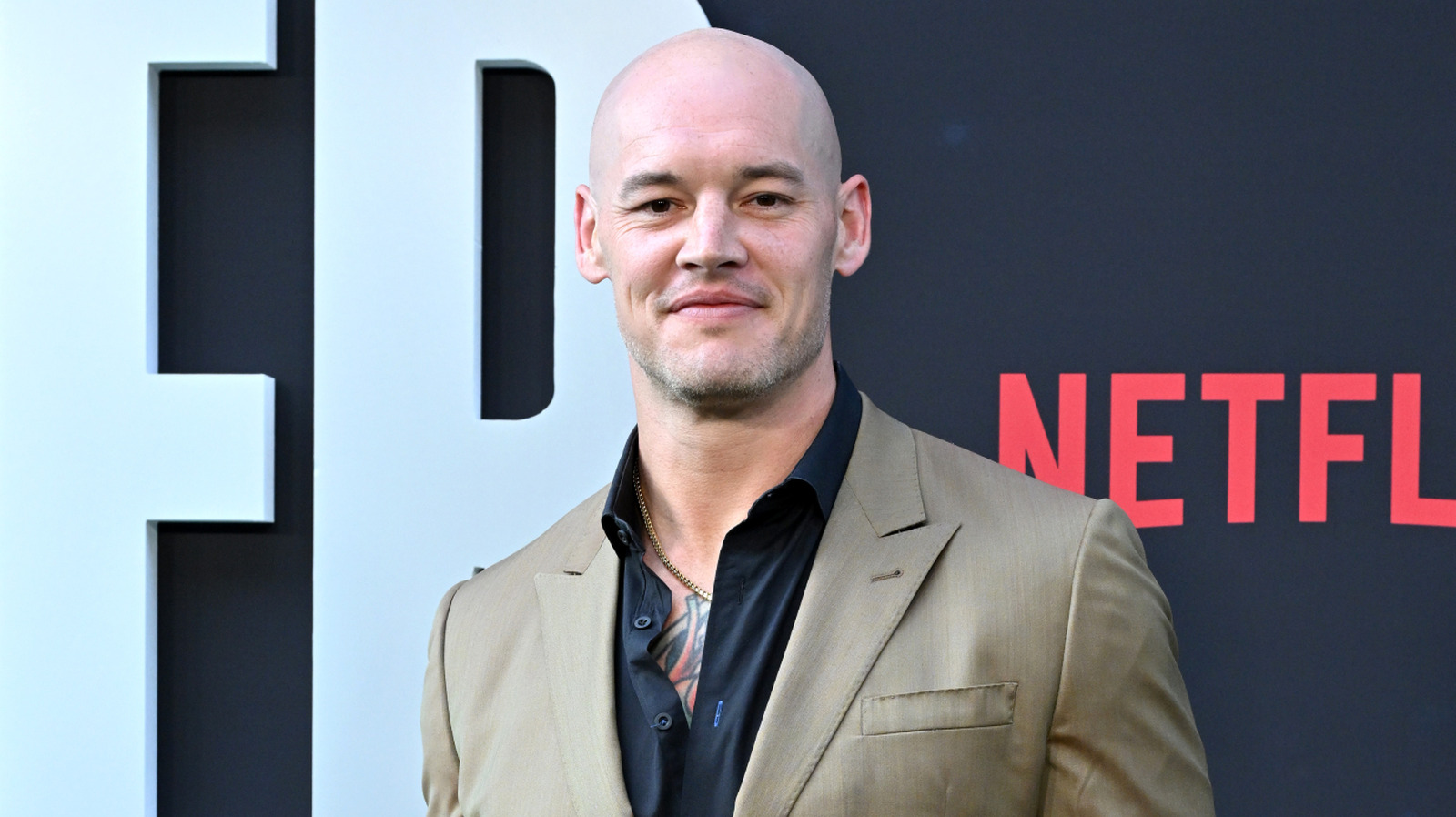
Every wrestling fan knows the story. A guy spends years grinding on the indies, hits the Performance Center, and realizes the creative vision is just a suggestion. Andre Chase is the latest name to pull back the curtain, confirming what we all suspected: WWE brass had him pegged as a non-starter from day one.
Reports indicate Chase was explicitly told he would never see television time. Think about the audacity of that. You hire a performer, bring them into the system, and immediately inform them they are essentially a glorified practice dummy. It took a legendary ear like Shawn Michaels to actually watch the work and decide that, maybe, the guy could actually draw money.
Predicting the death of a fan-favorite gimmick
Chase U wasn't just another flavor-of-the-month stable. It was a rare case of organic overness that actually got the crowd invested in consistent, long-term storytelling. But according to Chase, as Ringside News noted recently, the company treated the group like an unwanted stepchild once the internal momentum peaked.
Chase claims he tried to present the data to the powers that be. He approached creative with cold, hard metrics attempting to prove the act was a net positive for the brand. It did not matter. When the decision-makers have moved on to the next shiny toy, your engagement numbers look like junk mail on their desk.
The booking disconnect that defines the era
It is genuinely baffling to hear that management knew Chase U was a money-maker and still refused to pull the trigger on a serious push. This is textbook corporate gatekeeping. You have a product that the live audience wants to see, but the boardroom is too busy playing Tetris with the roster to reward the workers actually moving the needle.
As WrestleTalk reported, the turnaround only happened because Michaels had the vision to override the initial "no TV" mandate. That is a damning indictment of the scouting process. If the guy running the show is the only one who can identify talent, the rest of the hiring department is just burning through payroll.
The inevitable conclusion of the Chase U storyline remains one of the most frustrating segments of the last few years. There was no plan. They nuked a functioning, profitable house act because someone at the top likely forgot why they liked it in the first place. You don't need a doctorate in sports entertainment to see that wasting talent is a bad fiscal strategy.
Chase is now out of the company, and he is finally saying the quiet part out loud. Ringside News explored these claims in depth, highlighting exactly how the disconnect between the wrestlers and the suits manifests in the ring. It is the same old story: 100 percent of the effort comes from the guys in the trunks, while 50 percent of the creative decisions seem to be made by people who haven't watched a match in a decade.