The Hall of Fame's stagnating selection logic
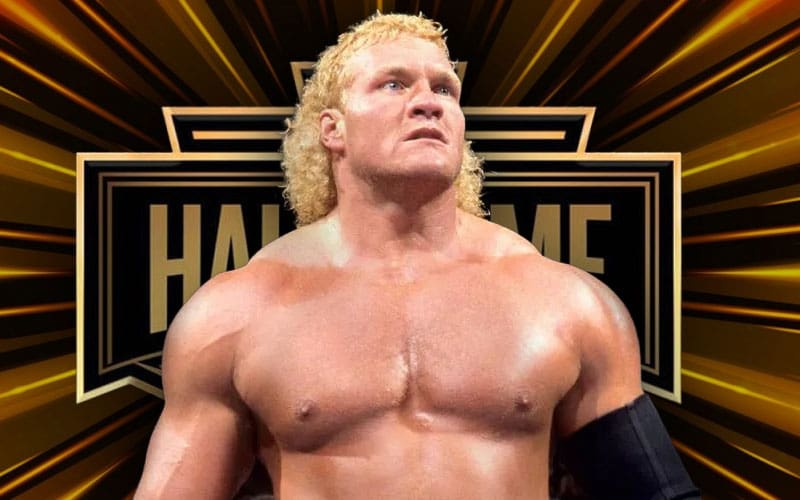
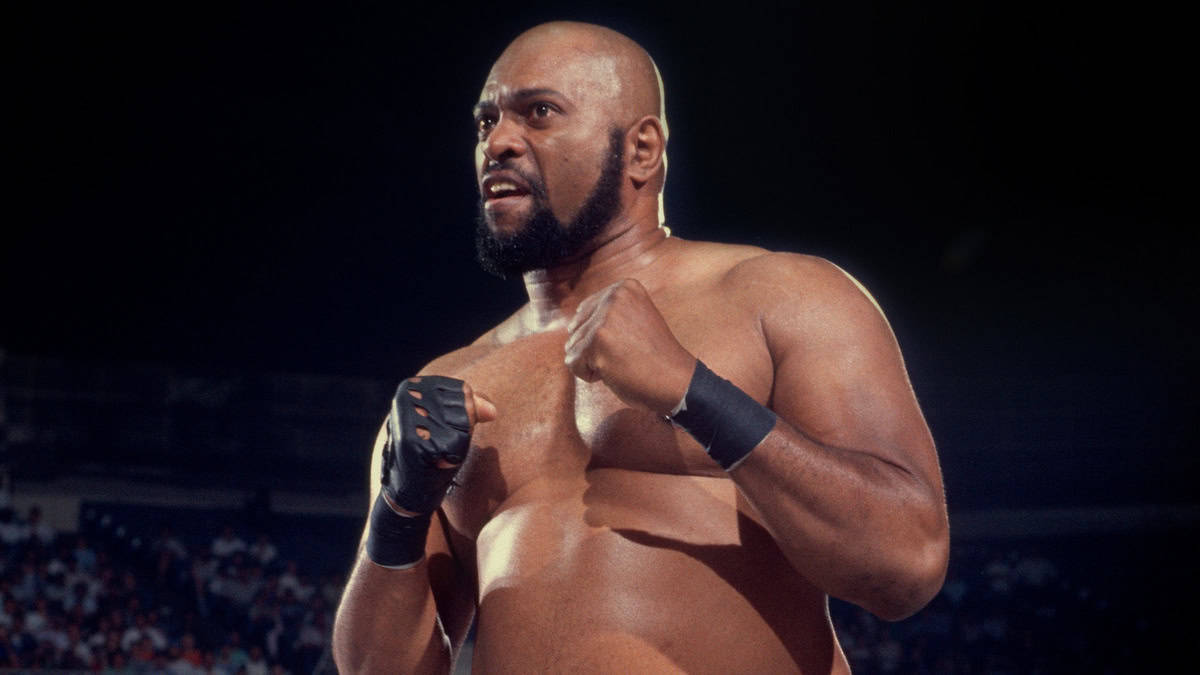
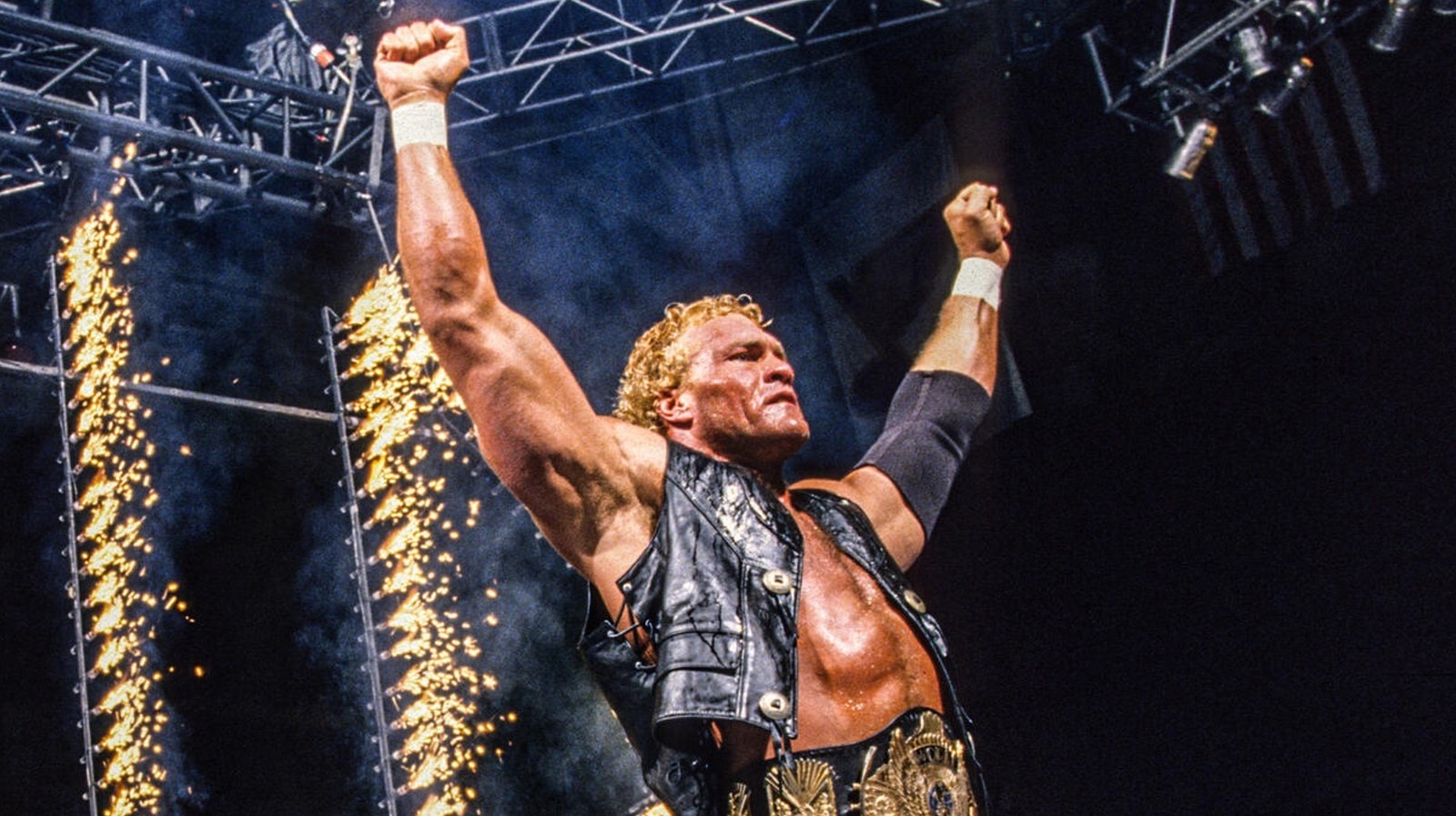
As we approach WrestleMania 41, the conversation surrounding the WWE Hall of Fame reveals a deeper fatigue with how the company honors its past. Recent commentary from Jim Ross on the prolonged delay regarding Sycho Sid Eudy underscores a persistent frustration. Ross labeled the oversight a damn shame, citing internal politics as the primary blocker for a man who undoubtedly possessed the star power to headline a period of peak volatility in the industry.
When the criteria for induction rely more on corporate compatibility than legacy, the institution loses its utility as a historical ledger. We see this play out in real-time, where fan-favorite acts are relegated to independent appearances while controversial figures sit in administrative purgatory. It creates a vacuum of legitimacy that feels increasingly disconnected from the actual audience experience.
The "sameness" trap in current storytelling
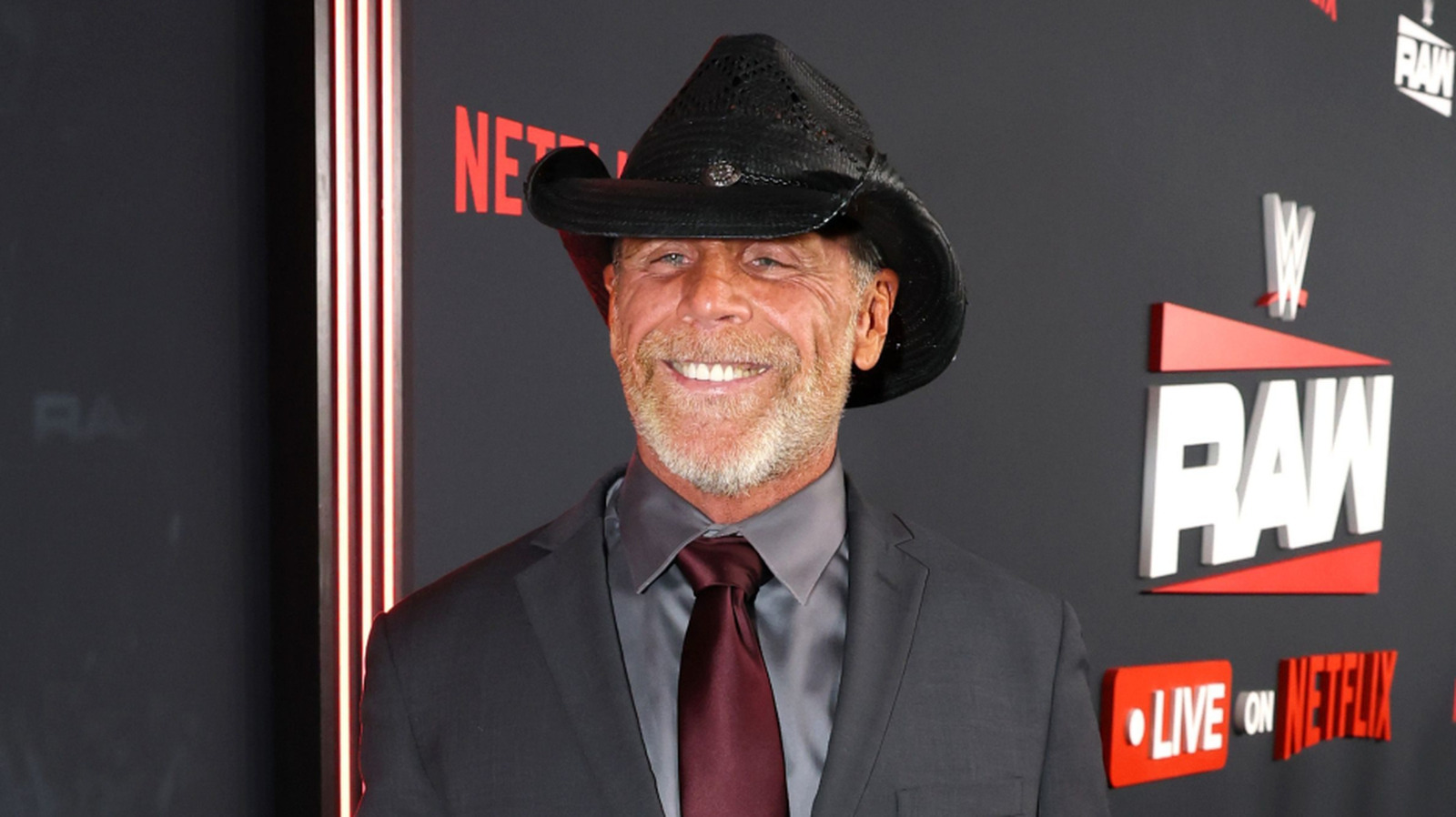
The issue of legacy isn't strictly historical. A prominent WWE Hall of Famer has voiced concerns that the current product is hitting a wall of homogeneity. When every promo segment follows identical beats and every character arc mirrors the same three-act structure, the emotional stakes disappear. It is not an issue of talent; it is an issue of narrative architecture.
We are seeing characters stripped of their unique edges to fit a sanitized, multi-platform brand image. The result is a flat output where segments feel procedural rather than organic. If WrestleMania 41 is meant to be the apex of the calendar, reliance on a "one size fits all" booking approach will inevitably lead to diminishing returns in crowd engagement.
The peripheral noise of the industry
It is worth noting that outside the main event spotlights, the industry continues its strange, scattershot approach to maintaining momentum. Between minor expo appearances in New Jersey involving former greats and the personal milestones of legends like Tully Blanchard, who recently married for the third time, the disconnect grows. These moments exist in a silo, completely removed from the high-stakes narrative the company attempts to project on television.
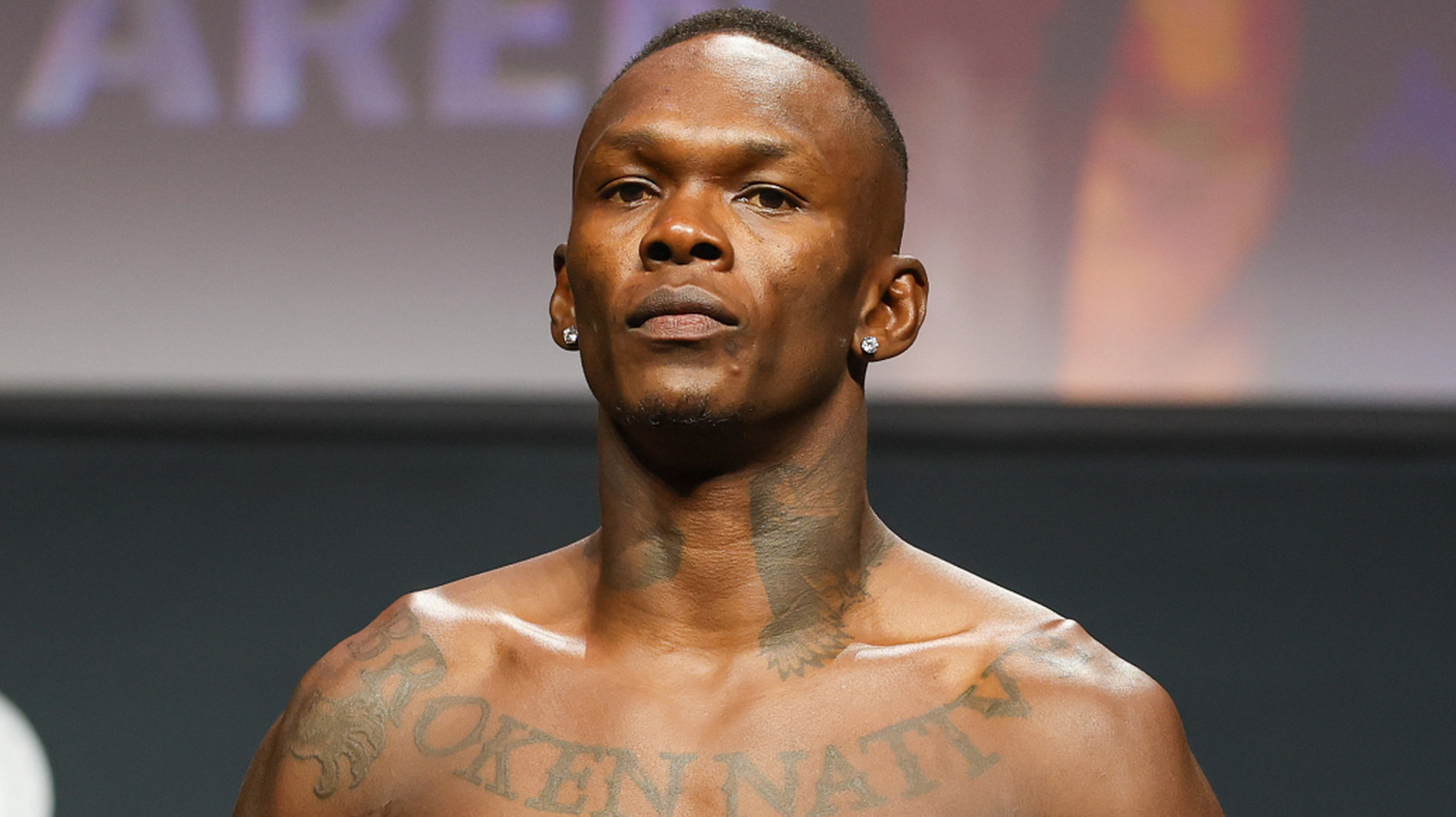
While fans might appreciate the nostalgia of seeing Lita appear at a local baseball game for a 'Wrestling Night', it does nothing to fix the systemic lack of friction in the televised main event scene. The industry is currently coasting on the inertia of past stars rather than establishing the next generation with sufficient grit. We are looking at a 4th consecutive loss for high-level fighters like Israel Adesanya in the broader combat sports sphere, as noted by Demetrius Johnson, signaling a harsh reality: timing is everything.
Predicting the inevitable
The current booking directive lacks the necessary volatility to force genuine fan investment. By ignoring the need for stylistic diversity, WWE is essentially betting that the spectacle will outweigh the substance. It is a cynical strategy that works for stock prices but fails in the cold, hard critique of a three-hour broadcast.
My prediction for the weeks leading into April 19: The creative team will continue to lean on safe, recycled tropes to hit their quarterly targets. Expect at least two segments over the next fortnight to reach a 0.82 rating in key demographics, but don't look for the kind of risk-taking that actually elevates the product to cult status. They will play it safe, keep the status quo, and leave the long-term structural flaws for another day.