The People's Champ is Dead. Long Live the Corporate King.
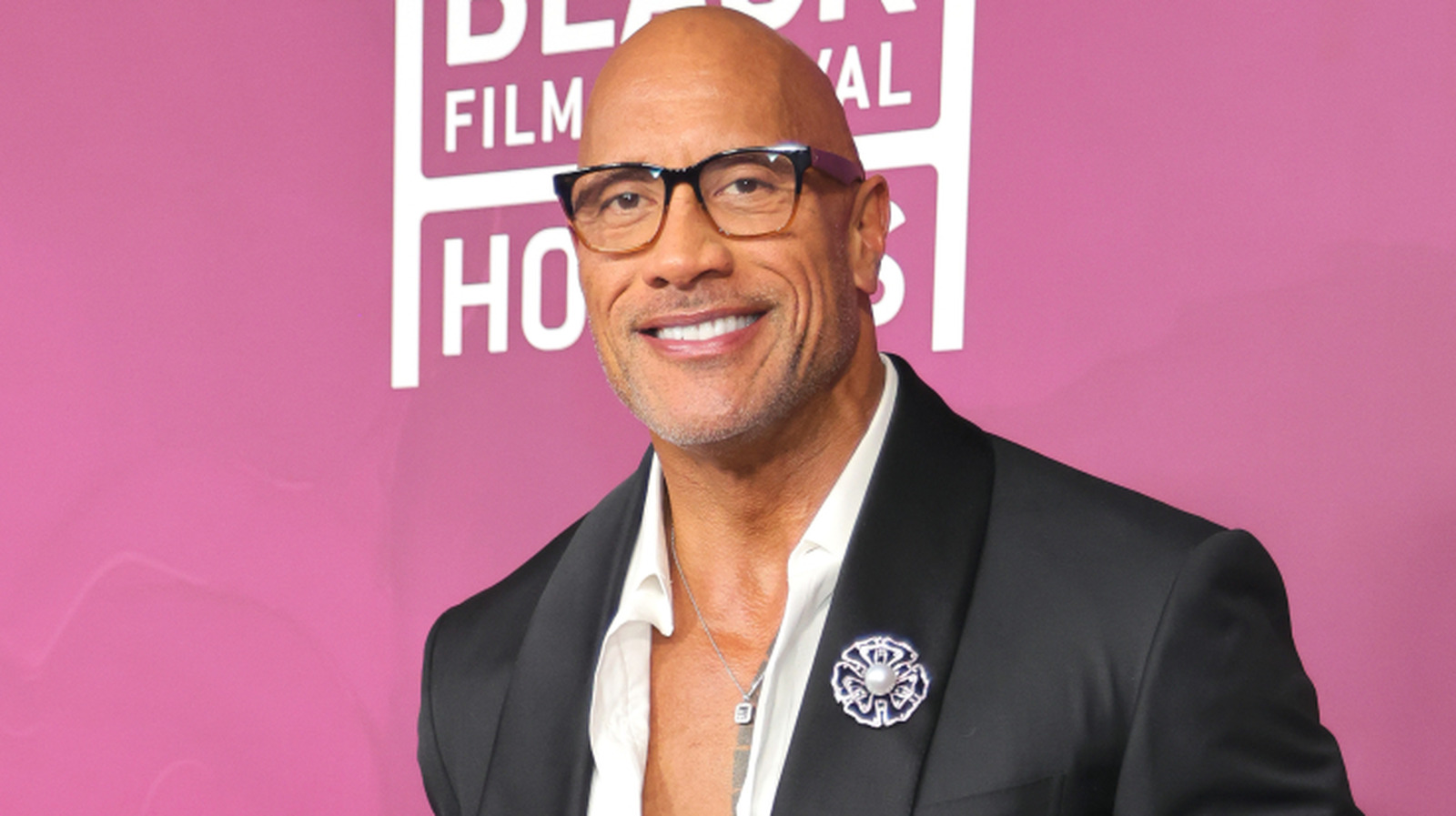
Let's just call it what it is. On March 29, 2026, the transformation became official. Dwayne "The Rock" Johnson, the electrifying man who once defined sports entertainment, the eyebrow-raising, trash-talking, anti-authority icon, was officially named a Disney Legend. And in that moment, the character we grew up with, the guy who told his boss to turn a championship belt sideways and stick it straight up his candy ass, was laid to rest. He's not one of us anymore. He's one of them.
This isn't some throwaway celebrity award. This is the corporate equivalent of winning the Undisputed Title at WrestleMania. The Disney Legend award is the Mouse House's Hall of Fame. It's for the titans, the people who built the empire or defined it for a generation. We're talking Steve Jobs, for creating Pixar. Stan Lee, for birthing the Marvel Universe. Harrison Ford, for being Han Solo and Indiana Jones. And now, the guy who used to sing about pie and strudel is in the same club. Let that sink in.
He's Not Playing a Character Anymore
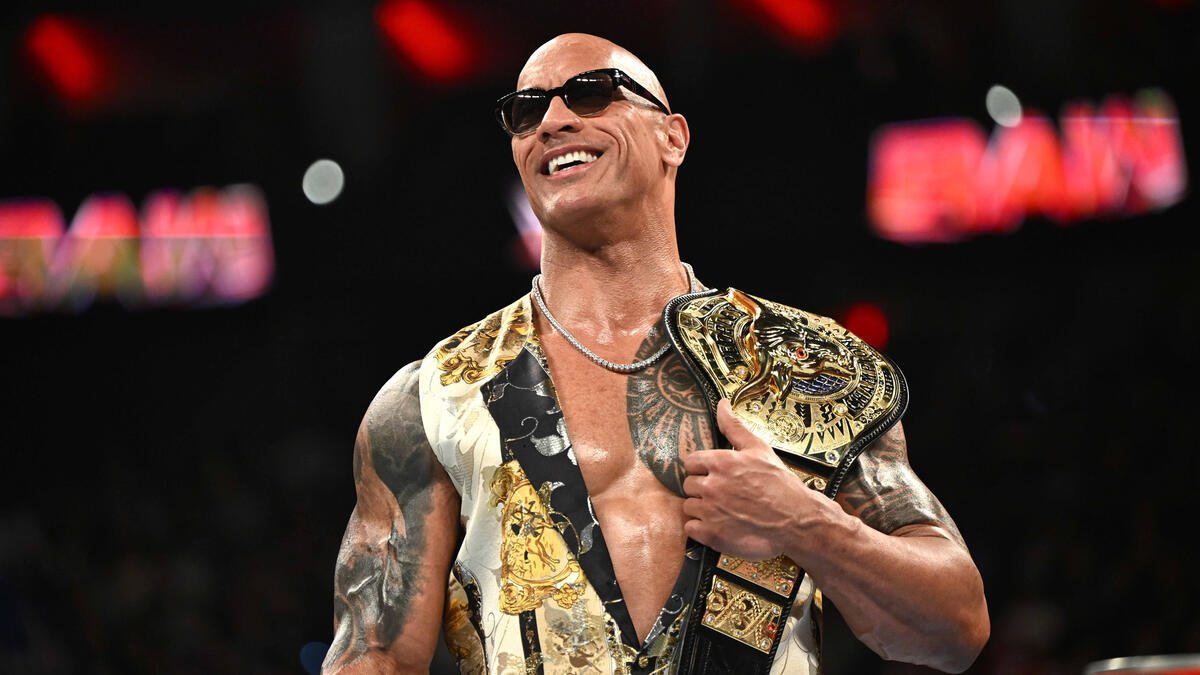
The beautiful, terrifying irony of it all is that it comes at the exact moment The Rock is delivering the performance of his career back in a WWE ring. His "Final Boss" persona isn't a character; it's a documentary. He struts out in his ridiculously expensive vests, sneering at the fans, calling them crybabies, and running down Cody Rhodes for daring to think he could take his spot. He's playing an out-of-touch, power-mad executive who sits on the board of directors and can change the rules whenever he wants. How is that different from his actual life?
He literally sits on the board of TKO Group Holdings, the parent company of WWE. He *is* the boss. When he talks about making Cody's life hell, it’s not a script. It’s a board member discussing a subordinate’s performance evaluation. For years, we watched wrestlers portray an anti-authority angle against Vince McMahon. This is different. This is the guy who's bigger than the company, who came back to remind everyone who really runs the show. It's the most meta, fourth-wall-breaking storyline in wrestling history, because it's barely a storyline at all.
The Timeline of a Takeover
How did we get here? How did the most electrifying man in sports entertainment become the most powerful man in the boardroom? It didn't happen overnight. It was a slow, calculated climb. It started when he traded his wrestling boots for movie scripts, going from a questionable CGI Scorpion King to the undisputed biggest movie star on the planet. For a while, he kept a foot in both worlds. The "Once in a Lifetime" matches against John Cena at WrestleMania 28 and 29 felt like a true battle of icons.
But then the balance shifted. The Hollywood paychecks got bigger. The tequila brand, Teremana, became a billion-dollar baby. The XFL got rebooted under his watch. The WWE appearances became less frequent, more special-attraction. He was no longer a wrestler who acted; he was a global brand who used to wrestle. The Disney Legend award is just the official stamp on a passport he's had for years. He's a citizen of a different world now, and he's just visiting the wrestling universe to collect his taxes.
What About the Wrestling?
This is where the cheers turn to jeers, or at least some uncomfortable questions. The wrestling fan in me loves the Final Boss. It's compelling television. But the wrestling fan in me also sees a 51-year-old part-timer breeze in and immediately take the main event spotlight heading into WrestleMania 41 in Las Vegas next month. Is it good for business? Of course. A Rock match adds millions to the bottom line. But is it good for the soul of the business? Is it fair to the full-time guys who are grinding on the road 300 days a year?
That's the critique, isn't it? The Rock, the movie star, is using the platform that the wrestlers built all year long to promote his own brand. The connection he once had, the one that made him "The People's Champ," feels severed. He's not fighting for the people anymore; he's fighting for shareholder value. His promos are no longer about connecting with the fans in the cheap seats; they're about corporate synergy and brand integration. He's not just a Disney Legend; he's the living embodiment of the TKO business strategy.
The Final, Final Boss
So, as he prepares to stand on stage and accept an award from Mickey Mouse, we have to accept the truth. The Rock we knew is gone. The man who stood for us against the corporation is now the corporation. The Disney Legend award isn't an achievement; it's a confirmation. Confirmation that Dwayne Johnson has transcended wrestling. Confirmation that his return is not a comeback story, but a business transaction. And confirmation that the Final Boss isn't just a gimmick, it's his final, and most authentic, form.
Read Next
- WWE Is Already Killing Your WrestleMania 42 Fantasy Booking
- Top 10: The Forces Rewiring WWE's DNA Ahead of WrestleMania 41
- The Ring's Cruelest Lesson: A Child's Tears After a Title Loss
- Nikki Bella out 6-9 months with fractured neck, WrestleMania 41 status in doubt
- 🏆 WrestleMania 41 — Full Coverage Hub