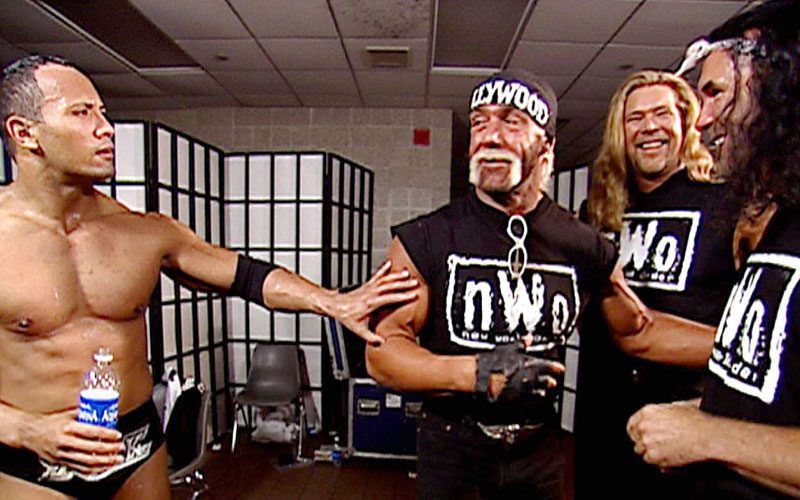
Nash keeps it real on the 2002 disaster
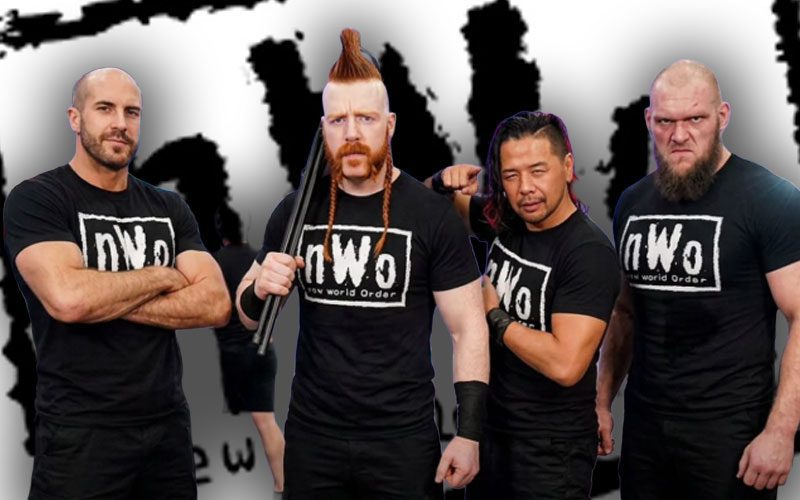
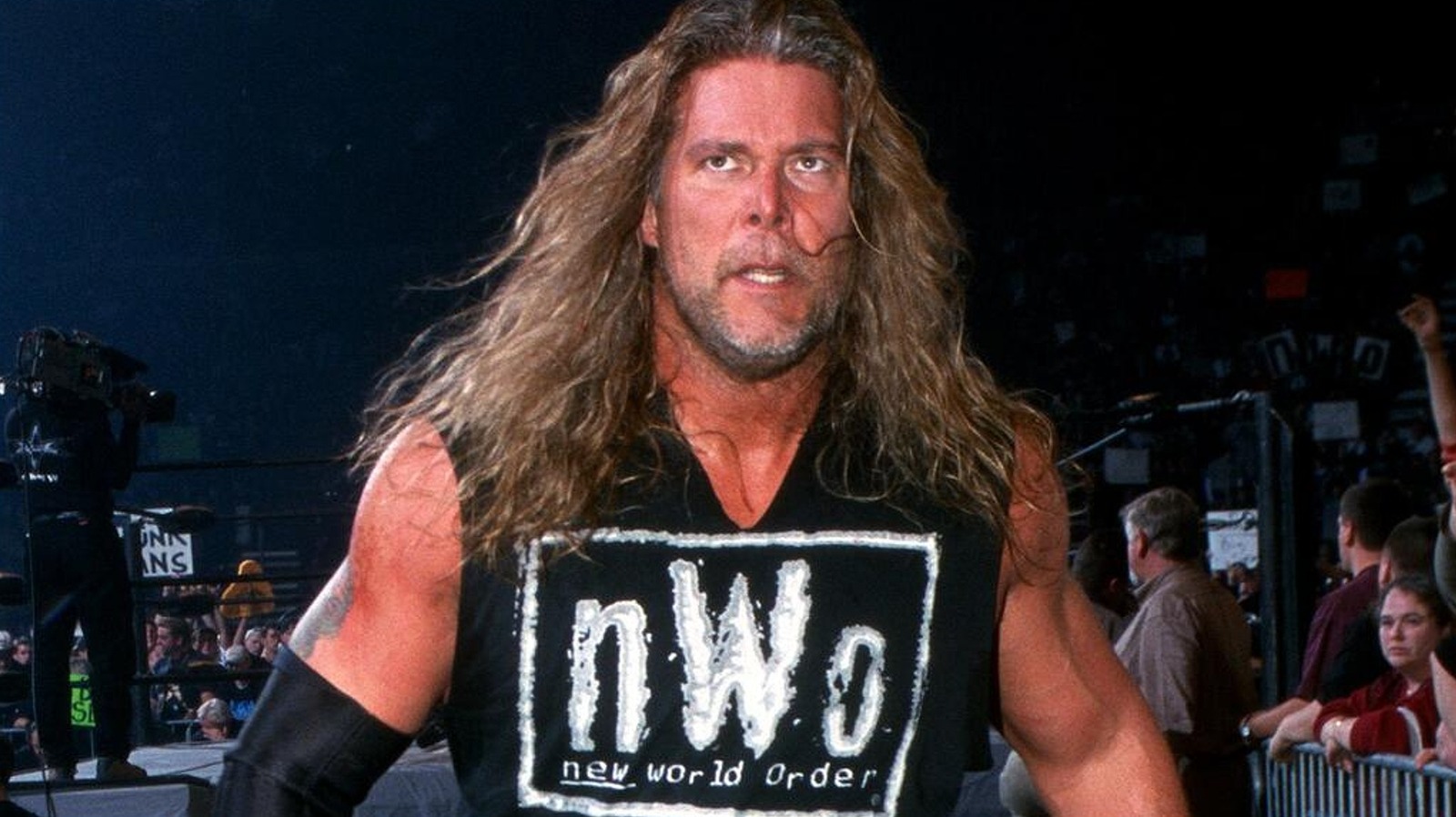
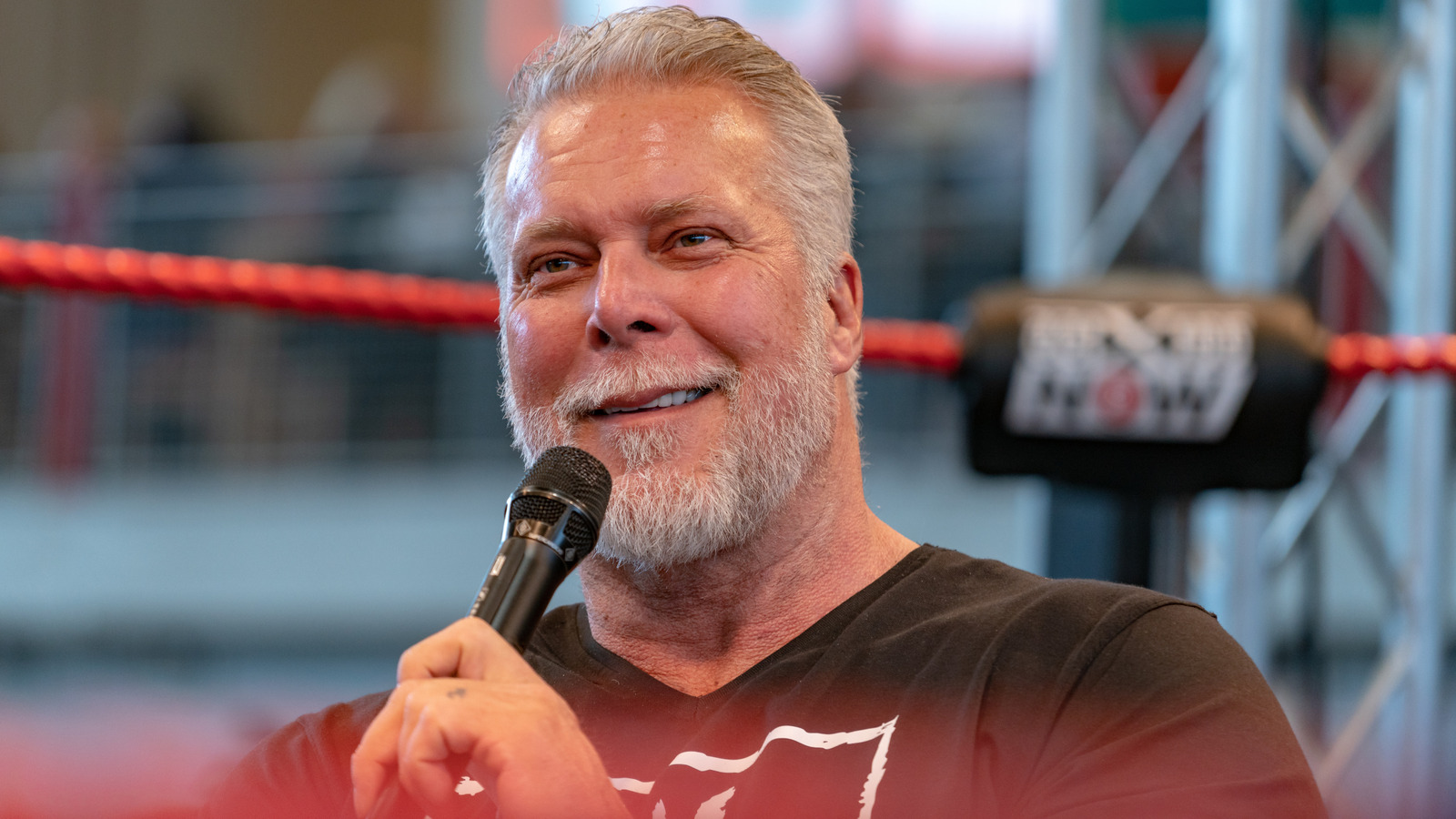
Kevin Nash recently pulled the curtain back on the 2002 version of the nWo, and spoiler alert: it was a dumpster fire. Forget the nostalgia-baiting clips you see on social media. The man himself admitted that while the fans were initially popping for the black and white gear, the actual roster had zero interest in making this work.
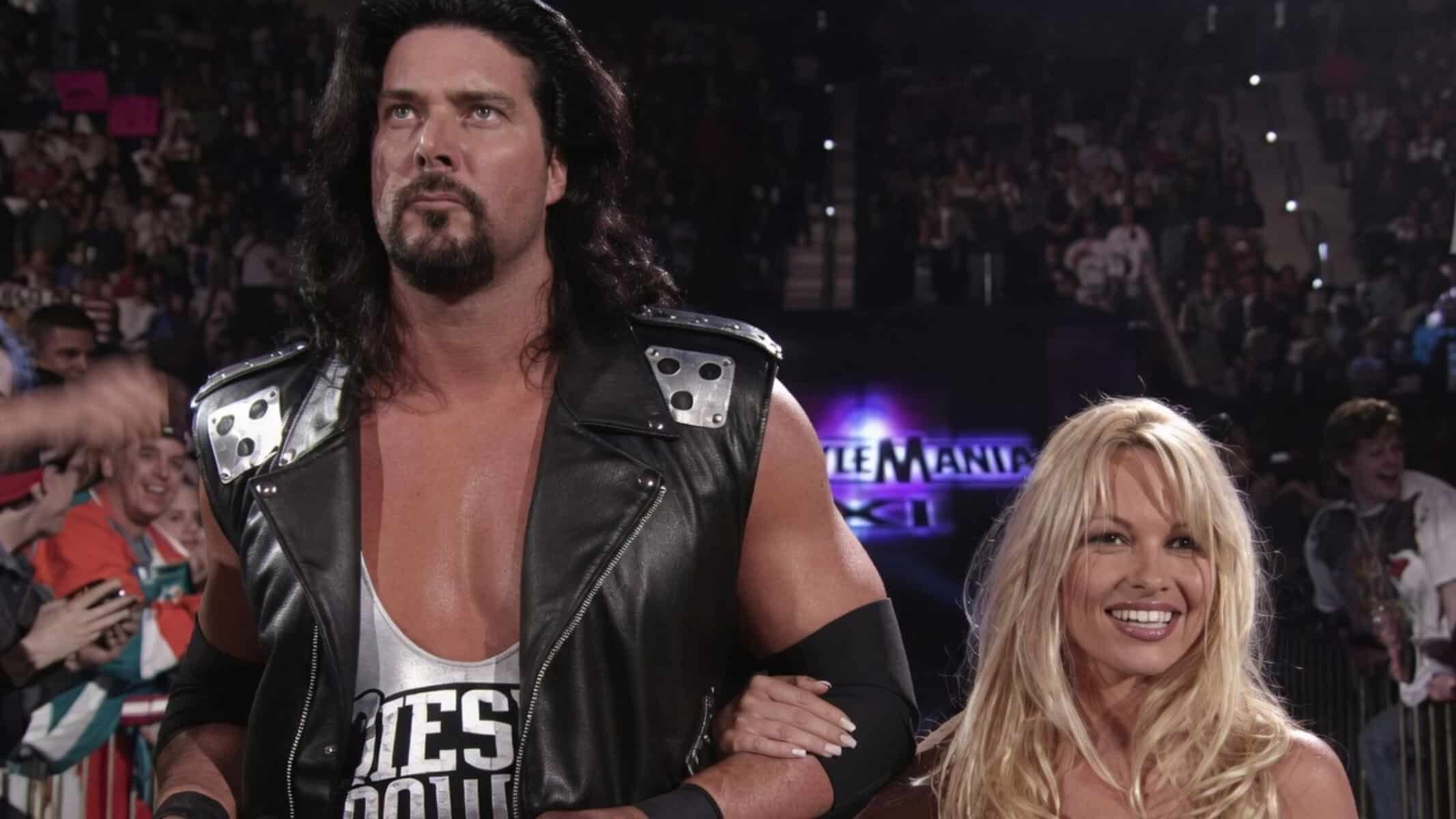
It feels like we live in a loop where every decade, someone thinks recycling the nWo is a genius move. It never is. The 2002 return, which featured Nash, Scott Hall, and Hulk Hogan, was supposed to be the ultimate raid on the WWE, but it felt more like a clearance bin purchase. Nash noted the locker room basically wanted the angle killed immediately, and honestly, can you blame them?
The locker room revolt
When you have guys grinding to build their own legacies, nobody wants to watch a bunch of guys from five years ago stroll in and take the main event spots. It creates a toxic vacuum. There is no faster way to destroy morale than bringing in nostalgia acts who are clearly past their physical prime. Hall and Nash brought star power, but they also brought a level of stagnation that stuck to the entire show like cheap glue.
You can read more about the backstage drama reported by Ringside News to see just how deep that resentment went. It wasn't just about jealousy. It was a mismatch of eras. The product had moved on, but the booking was stuck in a 1996 loop that even the most hardcore marks were getting tired of watching.
The booking was a structural nightmare
Think about the logistics of that 2002 run. You had Hogan, who was red-hot with the crowd during his face turn against The Rock at WrestleMania 18, immediately saddled with an unstable version of a faction that was already bloated beyond repair. It was a classic case of over-booking a singular moment.
The creative team failed to understand that the nWo thrived on chaos when the competition was actually stiff. In 2002, they were just guests in someone else's house. Kevin Nash has been vocal about how thin the patience was for their presence. You don't need a degree in wrestling psychology to know that when your peers are actively hoping for the end of your segment, you have 0% chance of longevity.
The grim reality of the exit
They limped out of the company shortly after, leaving behind a wake of confusing storylines and ruined momentum for active performers. It remains one of the more awkward chapters of that era. When you compare it to the genuine, organic growth of modern stables, this looks like amateur hour. The reliance on old stars isn't a strategy, it is a crutch.
We see flashes of this recurring desire for the past in various sports. Look at Real Madrid entertaining Mourinho, as if we are still living in the shadow of 2012. Both situations scream of a management team that is terrified of the current generation. The 2002 nWo wasn't a failure because of poor effort; it was a failure of vision.
They were trying to sell 1996 tickets to a 2002 audience, and the locker room saw the con early. You can't capture lightning in a bottle twice, especially when the bottle is cracked. At the end of the day, their departure was the best thing for the roster. The main event scene finally started to breathe again, leading to the rise of stars who didn't need a leather vest to get a reaction.
It is a cautionary tale for any promoter. If you have to bring back something that already had its funeral, make sure you aren't digging up a corpse. Nash might be a legend, but his brutal honesty about the 2002 disaster is the most valuable thing he provided to that specific run.