A Career on the Brink
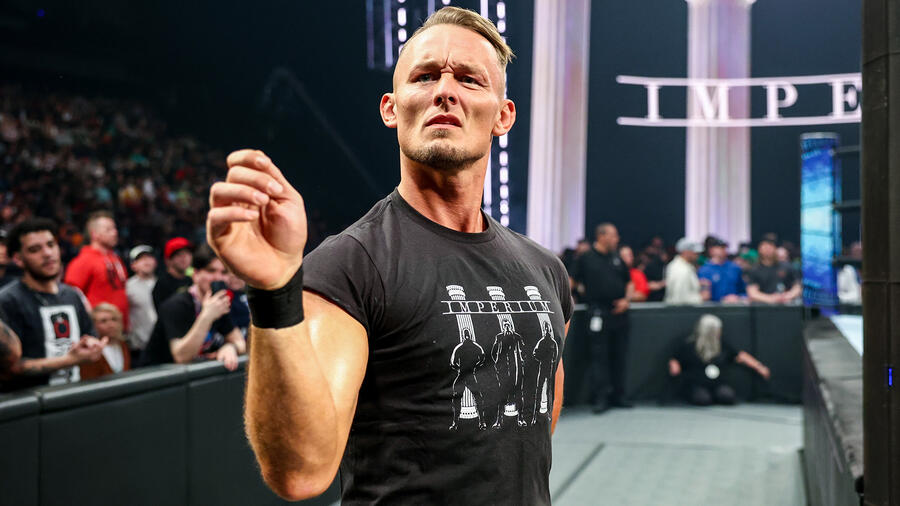
For a moment, it looked like Ludwig Kaiser’s run was over. When news trickles out about a professional wrestler getting into a bar fight, the story rarely ends well. For a talent like Kaiser—a polished, crucial component of the dominant Imperium faction and a star clearly on the rise—an out-of-the-ring physical altercation is a catastrophic unforced error. Reputations are damaged. Pushes are cancelled. Contracts are terminated.
Initial reports were sparse, painting a picture of a main roster talent involved in a public disturbance in Orlando. In the modern WWE, a company obsessed with public relations and maintaining a clean corporate image, that’s often enough to derail a career. Kaiser, known for his pristine presentation and explosive in-ring style alongside Gunther, was suddenly facing a very real threat to his livelihood over a seemingly idiotic mistake.
The Narrative-Changing Allegation
Then, the context shifted entirely. A report from Raj Giri of WrestlingNews.co introduced a stunning and stomach-turning piece of information that reframes the entire incident. According to Giri’s sources, the altercation was not a random scuffle. It was allegedly provoked by an almost unthinkable threat.
The complainant in the incident reportedly threatened to call Immigration and Customs Enforcement (ICE) on Kaiser’s girlfriend, NXT talent Andrea Bazarte, who is from Mexico. Let's be perfectly clear: if this is true, this is not just heckling. It is not simply an insult. Weaponizing a person's immigration status is a vile, xenophobic act. It transforms the situation from a standard bar dispute into an incident allegedly rooted in hateful rhetoric.
A Justified Response?
This new detail forces a difficult conversation. No company, especially one as visible as WWE, can condone its talent resorting to violence. A professional athlete, a public figure, is expected to maintain a level of discipline that the average person is not. Walking away is almost always the correct, if unsatisfying, answer.
However, the line gets blurry when faced with a provocation this egregious. To threaten someone with deportation, to use their nationality as a weapon, is an act of profound aggression. While a physical response is a massive professional risk, a human one is hard to condemn. It paints Kaiser not as a hothead looking for trouble, but as a man defending his partner from a targeted, racist threat. The calculus of right and wrong becomes intensely complicated.
This is the critical observation that WWE management must be wrestling with: Kaiser may have failed the test of a modern corporate ambassador, but he may have passed the test of being a decent human being standing up to bigotry. The two are, unfortunately, often in conflict.
The WWE Crossroads
This leaves WWE in a precarious position. On one hand, there is precedent for punishing or firing talent for public altercations. The company has a code of conduct to uphold. On the other hand, punishing an employee for physically responding to an alleged racist threat against their partner is a public relations nightmare of a different and far more damaging kind.
In an era where social justice is a major part of public discourse, the optics of siding against Kaiser here would be disastrous. It would send a message that the company values a quiet life over protecting its talent from hateful attacks. This isn't an abstract debate; it involves real people and real-world prejudices that WWE, as a global brand, purports to stand against. The company's carefully curated image of inclusivity and diversity would be shattered.
The incident also directly impacts one of the most protected acts on the entire roster. Kaiser is not a disposable undercard act; he is the essential mouthpiece and number two for Gunther, a performer positioned as a generational talent and main event champion. Removing Kaiser would significantly damage the Imperium presentation and disrupt long-term plans for one of the company's biggest stars.
Prediction: A Calculated Reprieve
Given the gravity of the alleged provocation, WWE will move cautiously. Assuming Raj Giri's report is verified by their internal investigation, Ludwig Kaiser's career will survive this. He will not be released. It is possible, even likely, he will face some internal discipline—a fine, perhaps a quiet, unacknowledged period off television—as a token gesture to discourage public fights of any kind.
But the company will not, and cannot, publicly hang him out to dry. The risk of being perceived as punishing a talent for defending his partner from a xenophobic threat is far too great. WWE will protect its asset and, in doing so, protect itself from a PR firestorm. The story will quietly fade, Kaiser will return to his role, and the machine will move on. The altercation was a dangerous mistake, but the alleged reason behind it will likely be what saves his job.