The data behind the weekend chaos
Glancing at the results from July 18th, 2026, it is clear that independent promotions are prioritizing volume over coherent narrative arcs. We saw three separate cards from GCW, CZW, and MCW occur simultaneously within the same calendar window. This saturation dilutes the impact of individual performers.
Jimmy Lloyd secured a win over Dyln McKay in 7:01 at CZW Blacklight. That is a sprint by any metric, leaving little room for the kind of storytelling that forces long-term crowd attachment. Quick finishes are functional for television time slots, but they rarely build the stakes necessary to sustain a brand beyond a single evening.
The PFL divergence
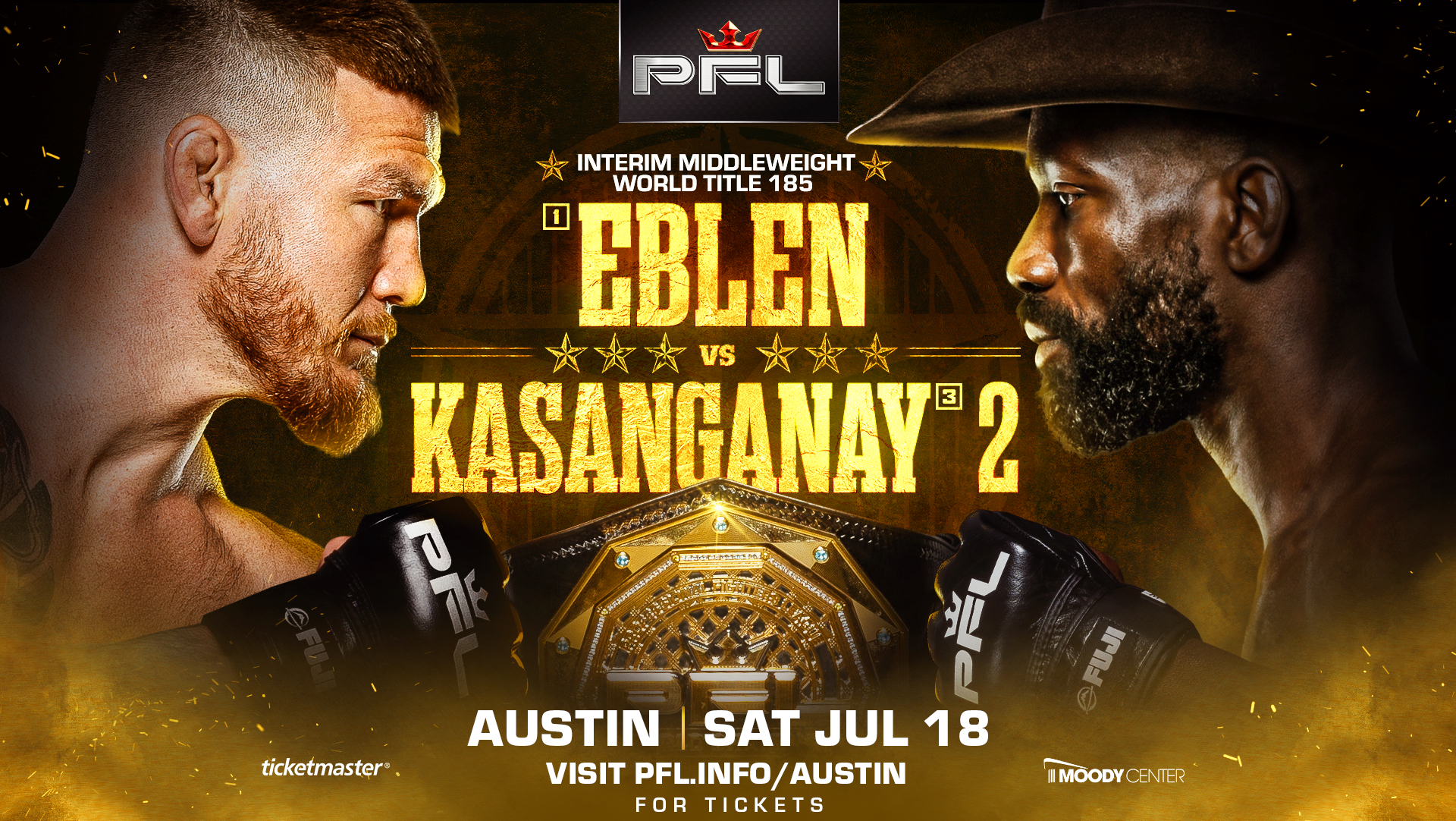
In contrast to the indie scene, MMA is leaning into the run-it-back model. The PFL Austin card featuring Johnny Eblen and Impa Kasanganay validates the idea that stakes must be quantifiable. Eblen moved to a 18-1 record, proving that the promotion is intent on establishing a clear pecking order for their championship bracket.
The contrast with CMLL's Sabados De Coliseo, where tag team rotations like Rey Espartano and Troyano are used to fill out the Arena Coliseo cards, is stark. Wrestling promotions often confuse 'activity' with 'progress.' Having guys like Gavin Ash cycle through a scramble match at GCW is fun for a Saturday night in Dallas, but it contributes zero value to the wider industry hierarchy.
Predicting the talent bottleneck
My prediction: we are heading for a significant consolidation of talent by the end of 2026. The current model—running shows in Texas, Pennsylvania, and Maryland all on the same night—creates an efficiency trap. Promoters are cannibalizing their own potential gate revenues by pitting these regional cards against one another.
The Shane Shamrock Memorial Cup XXV in Joppa had Alex Divine opening with a win over Diego Cruz. It is a legendary tournament, yet the focus remains fractured. If these promotions do not consolidate their broadcast calendars, the dilution of audience attention will inevitably lead to a dip in production quality for all parties involved.
This is not intended to be a slight against the individual athletes. Many of these names are putting in high-impact efforts, but they are playing a game of diminishing returns. Unless a larger umbrella organization starts buying up the distribution rights to these disparate feeds, we will continue to see these isolated bursts of activity that vanish as soon as the venue clears out.
Looking ahead, expect to see more collaboration between international outfits like CMLL and the US-based indies to try to force a competitive edge. It is the only way to avoid the burnout of having too many shows on one Saturday evening. Competition is supposed to drive quality, but here, it is merely causing a spread too thin to yield any real industry traction.