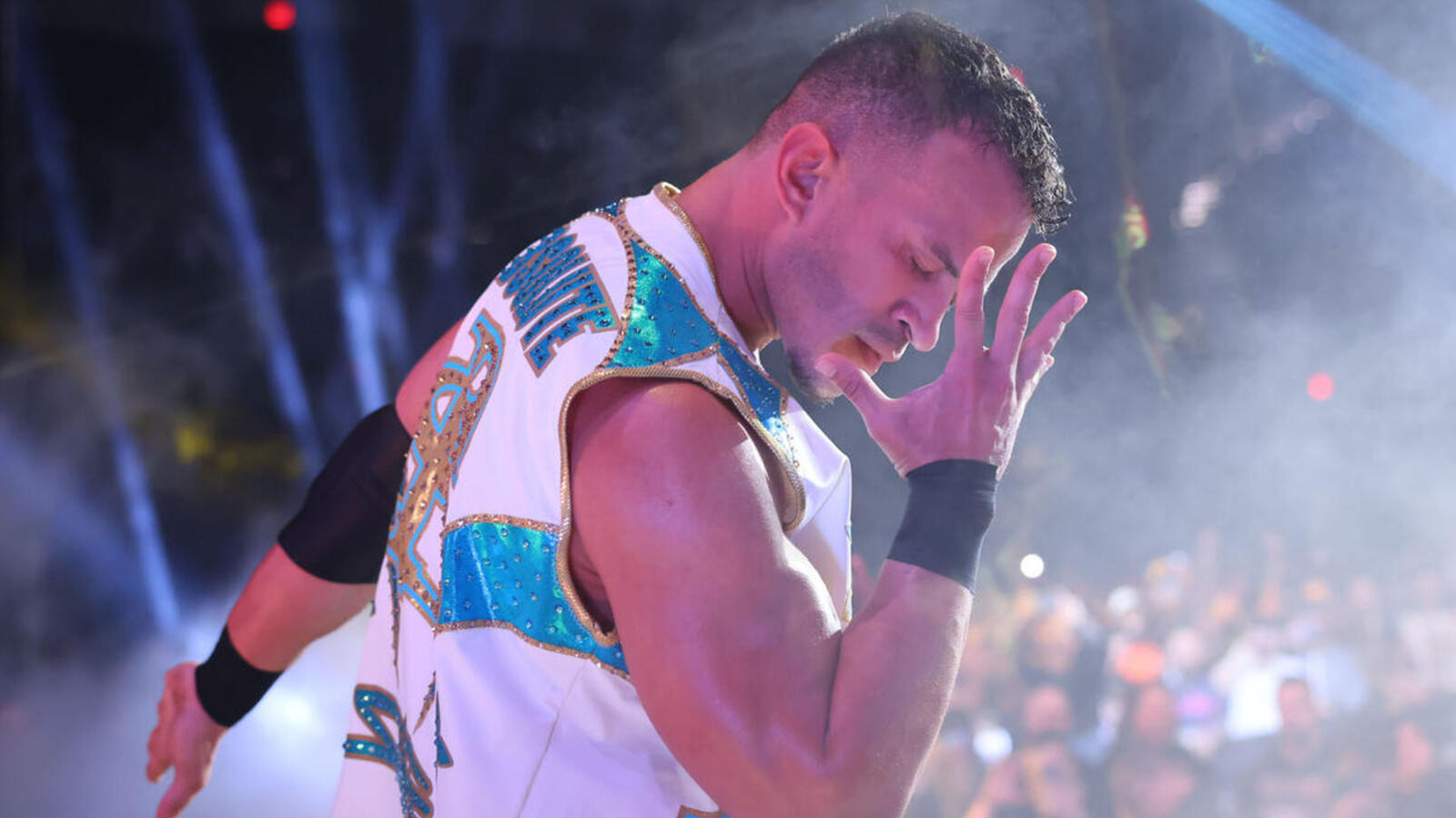
The anomaly of the 98-day sprint
The average developmental tenure for a male singles competitor in the TKO era of WWE is 412 days. The system is designed to be a slow, methodical churn. You learn the camera angles, you endure the grueling Florida loop, and you eventually graduate to main event television.
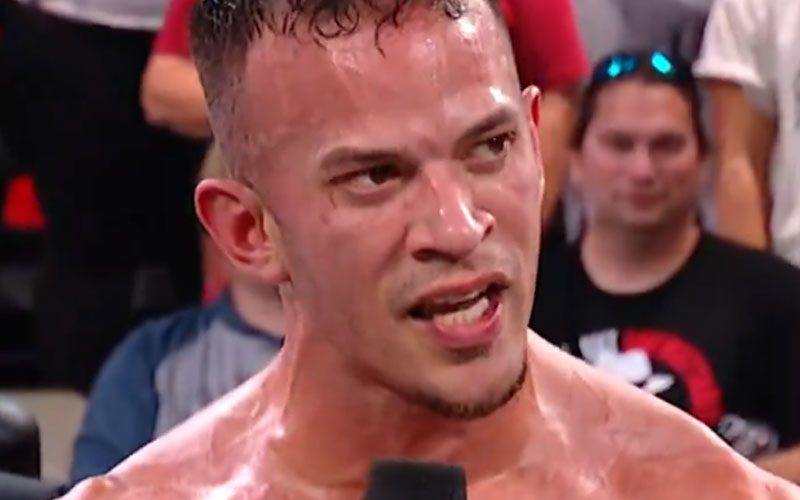
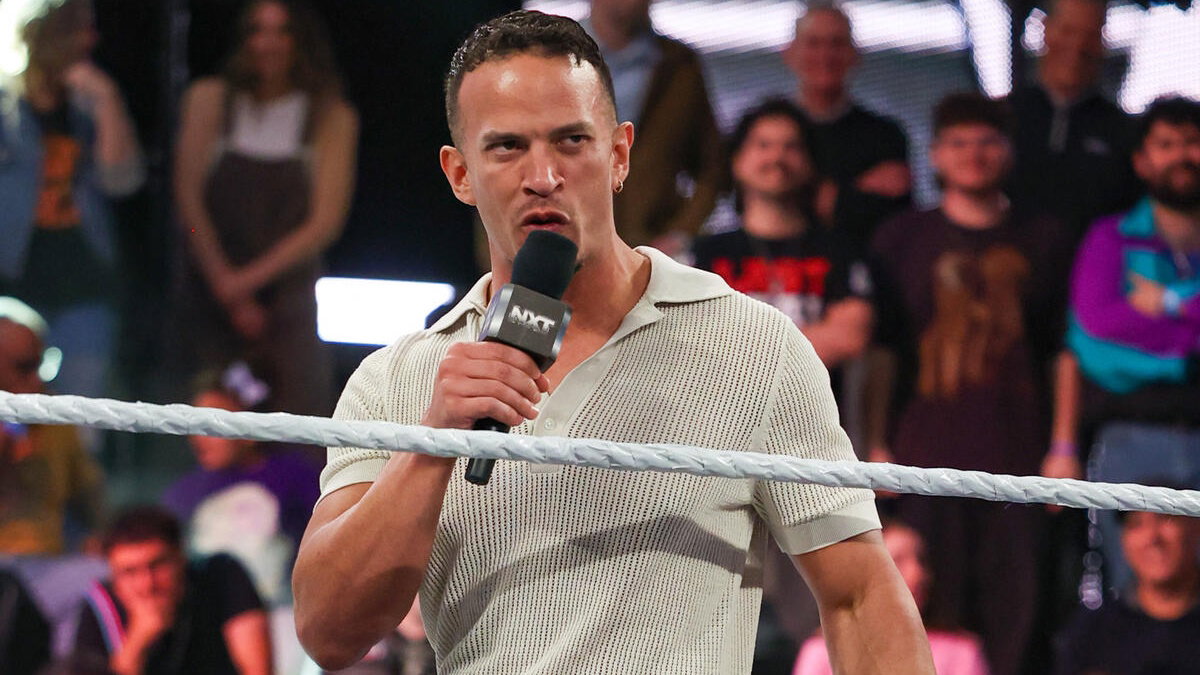
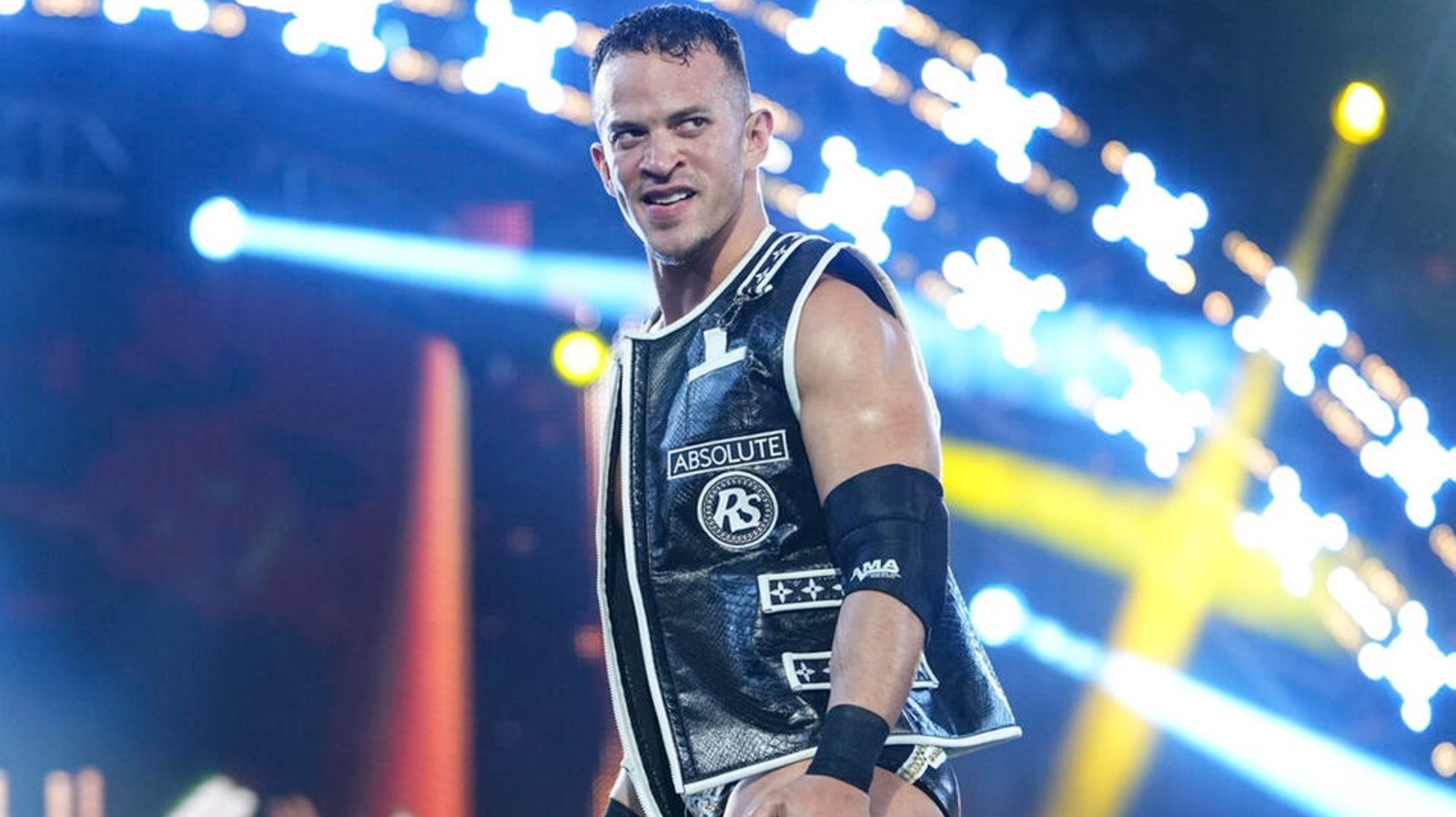
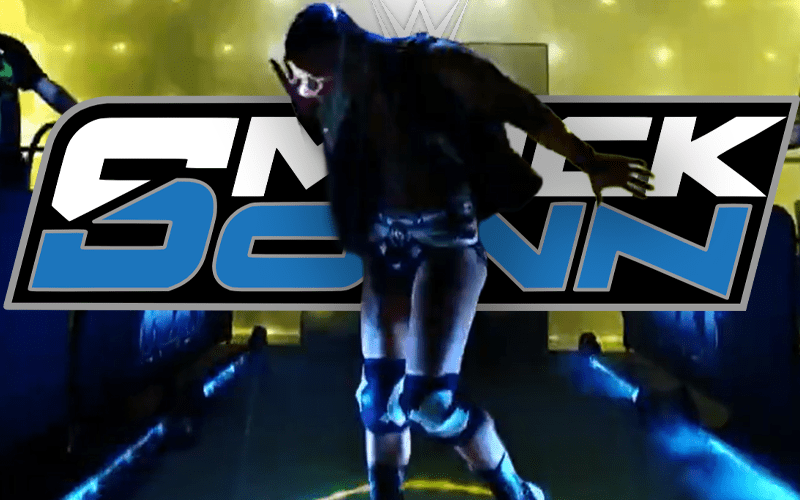
Ricky Saints completely shattered that model. As Wrestling Inc reported this week, Saints is officially heading to Friday nights on the upcoming May 1 episode of SmackDown. He has been in NXT for exactly 98 days.
In modern WWE, nobody gets called up this fast unless the internal metrics demand it. The front office does not make emotional booking decisions under Nick Khan and Paul Levesque. Every television minute is calculated for maximum return on investment. Saints isn't being promoted because he paid his dues. He is being promoted because his raw data broke the scale.
The quarter-hour distortion on Tuesday nights
To understand the rush, you have to look at the quarter-hour television ratings from his three-month run on the CW Network. Saints did not just pop a rating; he actively altered audience viewing habits.
According to Q1 2026 breakdowns, segments featuring Saints gained an average of 84,000 viewers in the crucial P18-49 demographic. That number alone is impressive, but it is his commercial retention that forced WWE's hand. His "retention rate"—the percentage of viewers who stayed tuned during the ad break preceding his matches—sat at an absurd 91%.
For context, the current NXT average for commercial retention is roughly 64%. When viewers saw Saints walking to the ring before a break, they did not touch their remotes. In the current media environment, that kind of stickiness is the most valuable commodity in television.
The microphone mechanics
His connection is heavily weighted toward his verbal segments. We can quantify this by looking at promo engagement metrics.
The average NXT wrestler takes 42 seconds of talking before generating a sustained crowd response, whether that is a chant or audible heat. Saints averages just 18 seconds. He dictates the tempo of the building the moment his music stops.
Furthermore, his merchandise numbers forced a conversation at the corporate level. In February alone, WWE Shop moved 12,500 units of his signature shirts. He outpaced established main roster acts on sheer volume, generating a revenue spike that mirrored LA Knight's sudden explosion in 2023, but compressed into a fraction of the time.
A glaring in-ring deficit
Here is where the data turns alarming, and where this rapid promotion starts to look like a massive risk. Saints is being called up based on charisma, merchandise sales, and quarter-hour television growth. However, his actual in-ring metrics suggest he is severely unprepared for the SmackDown style.
Across his televised NXT matches, Saints averaged just 7.2 minutes of bell-to-bell time. That is the lowest average match length for any male call-up since 2019.
He wrestles a frantic, hyper-compressed style. Let's compare his developmental reps to recent NXT graduates who successfully transitioned to the main roster:
- Bron Breakker: 2.5 years in NXT, 11.4 minutes average match length.
- Carmelo Hayes: 2.5 years in NXT, 14.1 minutes average match length.
- Ilja Dragunov: 3+ years in NXT/NXT UK, 16.3 minutes average match length.
- Ricky Saints: 3 months in NXT, 7.2 minutes average match length.
Saints relies heavily on a burst-offense model. He throws an average of 4.8 strikes per minute in his opening sequences. It looks fantastic on a highlight reel, but it masks a severe cardio and pacing blind spot. If an opponent survives past the eight-minute mark, his offensive output drops off a cliff.
The defensive collapse
When grounded by a chain-wrestling sequence lasting longer than 45 seconds, Saints struggles visibly. His defensive transition rate—how often he successfully counters a hold into an offensive maneuver—is a dismal 14%.
We saw this exactly in his mid-April match against Charlie Dempsey. When Dempsey took out his legs and forced a slower mat game, Saints blew up. He missed two obvious cues and looked completely gassed by the nine-minute mark. He survived that match, but it provided a devastating scouting report.
You take away his initial burst of speed, and his win probability plummets. His finishing sequence is equally rigid. He hits his primary finish in 88% of matches where he lands his setup spear first. If that spear is countered or blocked, his win rate drops to 31%. He lacks a viable secondary finish that doesn't require a massive running start.
The Friday night tactical mismatch
This brings us to the reality of Friday nights. SmackDown is currently booked as WWE's heavyweight workhorse brand. It features grinding, physical, 15-to-20 minute television matches built heavily around commercial breaks.
Look at the roster composition on the blue brand. Roughly 68% of the active heel side relies on slow-paced, methodical control segments. These are big, heavy hitters who dictate the tempo.
If Saints is thrown into the ring with a grinder like Santos Escobar, or a physical anomaly like Jacob Fatu, his seven-minute sprint conditioning will completely fail him. Main roster matches require you to know how to apply a rest hold, how to pace your breathing on the floor, and how to build a coherent second act.
Saints has never demonstrated this on television. His matches are single-act plays. He hits his spots, pops the crowd, and gets out.
The Backlash anomaly
The timing of this debut is also highly suspicious. Debuting on May 1 means Saints is walking onto television just eight days before WWE Backlash on May 9. This breaks traditional booking patterns.
Usually, a major call-up happens on the SmackDown or Raw immediately following a Premium Live Event. Dropping him onto the roster on a go-home show implies a sudden panic from the creative team. They either need an immediate segment filler to spike the Backlash go-home rating, or they are hot-shotting him straight onto the PLE card in a hastily assembled angle.
Both scenarios are dangerous for a performer who barely has his feet wet in the WWE system. If he is thrown into a 12-minute pay-per-view match next weekend, his mechanical shortcomings will be broadcast globally.
May 1 is going to answer a lot of questions. WWE is making a massive gamble that his undeniable connection with the live crowd will mask his glaring in-ring deficits. They are banking on the 84,000 extra viewers following him from Tuesday to Friday.
But television ratings cannot carry you through a deep-water match. If Saints gets dragging at the 11-minute mark against a mid-card gatekeeper, the merchandise numbers won't save him. The stopwatch never lies.