Heights and the new school of NXT development
WWE's developmental pipeline used to be a closed system where recruits entered the Performance Center and rarely strayed from Orlando. That model has changed. The partnership with international promotions has opened new pathways for developmental talent.
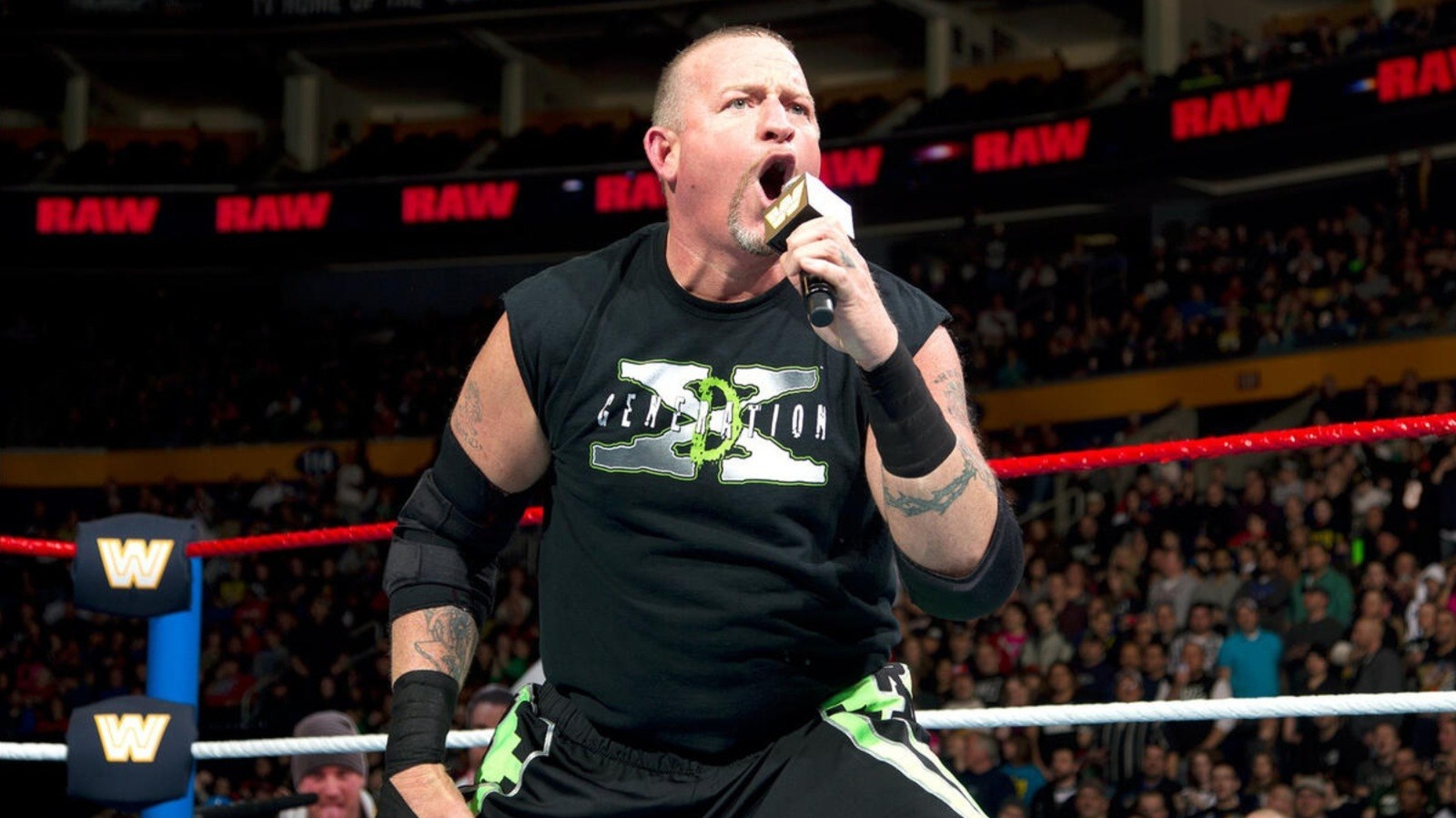
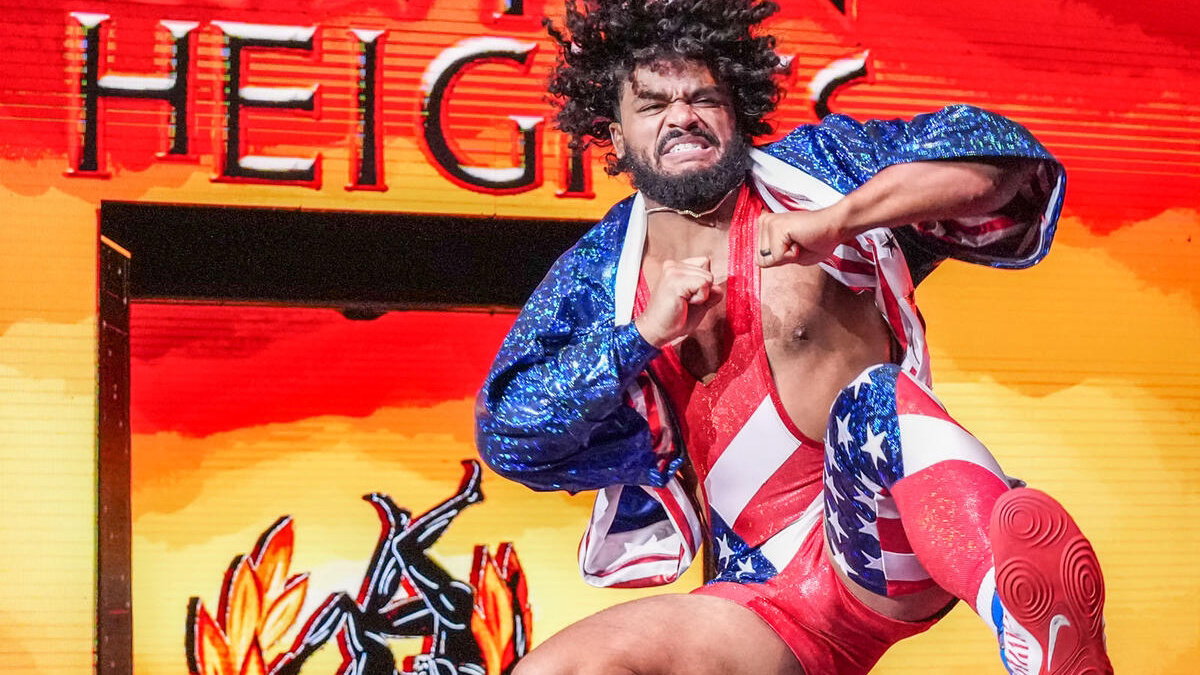
Take Tavion Heights as the prime example. Last year, the former collegiate wrestler was sent on an excursion to Pro Wrestling NOAH, forced to adapt to a vastly different ring style. As Tavion Heights reflected on his excursion, "You go from speaking English to having to speak wrestling."
This shift in environment forced Heights to strip away the theatrical elements and focus on pure physical communication. In NOAH, there is no room for wasted motion. Every forearm strike must connect with force, and every grapple must look like a struggle.
Heights went from performing rehearsed sequences in Florida to fighting for wrist control in Tokyo. The results are visible in his current NXT matches, where his pacing has slowed down and his strikes have gained significant weight. He no longer looks like an athlete trying to play a wrestler; he looks like a competitor imposing his will.
Breaking down the technical transition in the ring
To understand Heights' evolution, one must look at his match against Charlie Dempsey last month. Heights maintained a 95% completion rate on amateur takedowns during the opening five minutes. Instead of immediately transitioning to a rest hold, Heights worked the left shoulder, using short elbow strikes to prevent Dempsey from escaping.
This is the influence of NOAH’s training regimen, where mat work is treated as a combat sport rather than a transition between high spots. Watch how Heights sets up his belly-to-belly suplex now. Previously, he would telegraph the throw by dipping his head too early, allowing opponents to counter with front facelocks.
The NOAH dojo is notoriously demanding, forcing wrestlers to master core grappling before learning any complex maneuvers. Heights spent hours drilling simple sprawl-and-counter sequences under the guidance of Japanese veterans. This repetition built a muscle memory that allows him to react instinctively during high-pressure counters.
In his recent outings, he has used collar-and-elbow tie-ups to mask his entry, waiting for the opponent to push forward before executing a high-angle toss. His defensive positioning has also improved, with Heights adopting a lower stance that keeps his center of gravity close to the mat. This makes him incredibly difficult to knock down or lift, forcing opponents to play his game.
Moving past the rigid executive era
When Dempsey tried to execute a German suplex at the 8-minute mark, Heights simply dropped his weight, hooked Dempsey’s leg, and transitioned into a hammerlock. This modern, open-minded approach to talent development is a stark contrast to how WWE managed its roster a decade ago. Under the executive regime of John Laurinaitis, creative control was heavily centralized, and performers who did not fit the traditional mold were often forced into rigid boxes.
The late Bray Wyatt was perhaps the most prominent example of a performer whose genius was constantly at war with administrative expectations. Recently, John Laurinaitis reflected on working alongside Bray Wyatt, detailing the challenges of managing such an unconventional talent. Wyatt’s creative vision was cinematic and complex, whereas the front office preferred predictable, easily packaged characters.
Laurinaitis favored a system of rigid, television-friendly blocks where matches were structured around commercial breaks rather than athletic storytelling. This approach restricted performers who relied on slow-burn pacing to establish their characters. Wyatt's complex psychological warfare struggled under these strict time constraints, often forcing him to rush through his signature entrance and match pacing.
This misalignment often led to erratic booking decisions that derailed Wyatt's momentum at key moments in his career. For years, the WWE developmental system prioritized look and promo ability over in-ring adaptability. Performers who could not adapt to the standard television style were quickly discarded.
Mismatched chemistry and the future of NXT
Today’s NXT system, by contrast, acknowledges that ring psychology is not a one-size-fits-all formula, sending prospects like Heights to Japan to build a unique identity. The benefits of stylistic diversity are not limited to singles competition. We have seen this play out in the women's division, where unusual pairings have historically yielded the most compelling ring work.
A key example is the partnership between Charlotte Flair and Alexa Bliss, a duo that seemed completely mismatched on paper. Flair is a classic athletic powerhouse, while Bliss built her career on character work and opportunistic heel tactics. Yet, their chemistry caught many by surprise.
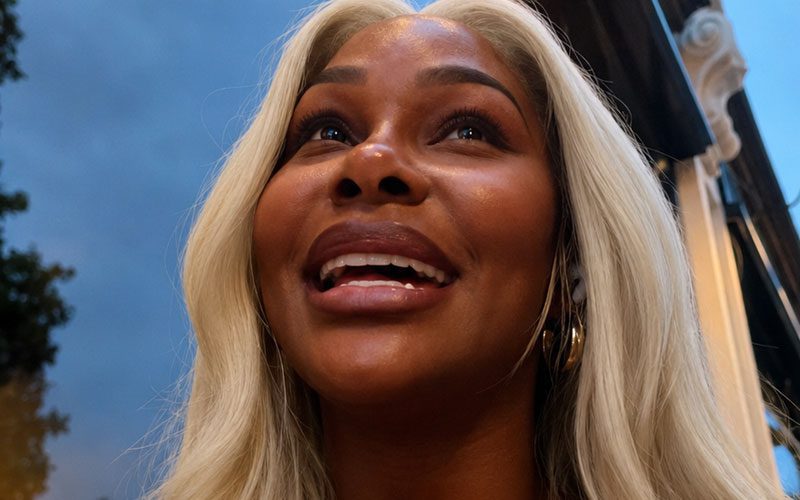
As Charlotte Flair's reflections on the fan response indicate, she was surprised by the positive reaction they received, particularly at WWE Evolution. The crowd in Long Island responded to the contrast in their styles, showing that fans appreciate diverse team dynamics. However, we must point out the flaws in how WWE handled this partnership.
The booking was highly inconsistent, frequently switching them between babyface and heel roles without any long-term narrative explanation. The team was rarely given the screen time to develop cohesive double-team moves, often relying on Flair to do the heavy lifting in longer matches while Bliss waited for a hot tag. This creative instability ultimately prevented the duo from reaching their full potential as a cohesive unit, a recurring issue in WWE's tag division.
Despite the administrative mistakes, the ring work itself was highly instructive. Flair's ability to command the ring allowed Bliss to pick her spots, creating a classic big-man, small-man dynamic. The match at Evolution showcased how a hot crowd can elevate a match when the performers understand their roles.
WWE's tag team booking has long suffered from a tendency to assemble makeshift pairings rather than cultivating dedicated tag teams. These thrown-together duos often suffer from a lack of synchronized double-team maneuvers, leaving their matches feeling like two consecutive singles bouts. While individual talent can sometimes mask these structural flaws, it rarely produces the kind of tag team excellence seen in rival promotions.
It proved that you do not need identical styles to form a successful team; you just need to understand how to complement each other's strengths. This brings us back to the immediate future of NXT. Tavion Heights is scheduled to face Charlie Dempsey in a two-out-of-three falls match on next week's episode.
Dempsey is a master of British catch wrestling, meaning Heights cannot rely solely on his amateur credentials to win. He will need to use every ounce of the ring intelligence he gained in Japan. Dempsey will likely target Heights' neck, attempting to lock in his signature bridging suplexes.
Dempsey's style is built around leverage and joint manipulation, specifically targeting the wrists and fingers to neutralize his opponent's power. He excels at transition wrestling, moving seamlessly from a knuckle lock into a crossface. To counter this, Heights must avoid prolonged grappling exchanges and focus on explosive power moves to break Dempsey's grip.
Heights must counter by keeping the fight on the mat, using short strikes to wear Dempsey down. The key will be the second fall, where fatigue will begin to show. Heights' superior conditioning, honed in the grueling NOAH dojo, should give him the advantage as the match goes deep.
Expect a physical, grueling contest that showcases the best of NXT's new direction. Heights will lose the first fall to a Dempsey submission but will battle back to secure the second with a belly-to-back suplex. In the final fall, Heights will lock in an ankle lock to force the tap at the 18:24 mark, proving he is ready for the next level.