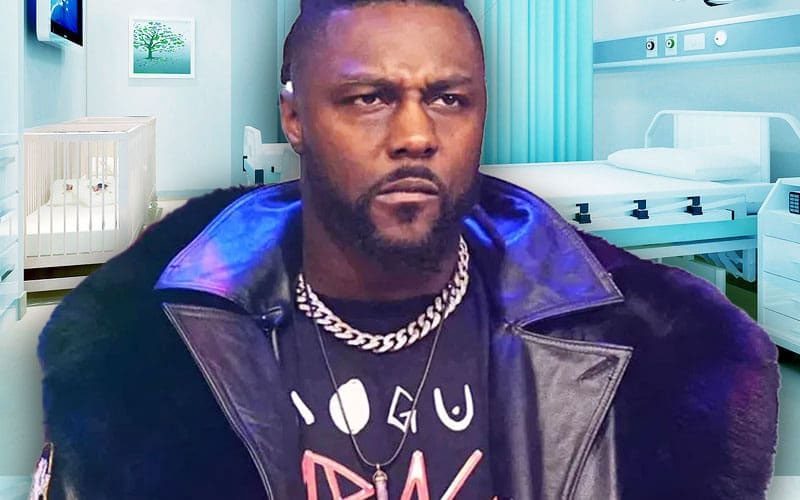
The long grind catches up to Swerve Strickland
Swerve Strickland has officially moved to the inactive list. The AEW standout confirmed that he recently underwent knee surgery, a move aimed at correcting long-standing structural issues that had compromised his movement inside the ring. He signaled that the procedure was a necessity rather than a choice, prioritized to maintain his long-term viability.
The decision comes after months of speculation regarding his physical state. While fans observed a slight hitch in his agility throughout the spring, Strickland managed the impairment with intensity, refusing to dial back his high-impact offensive style. He maintained his schedule across multiple pay-per-view events despite what has now been confirmed as a significant joint issue.
Restoring the mobility of a high-flyer
Strickland emphasized that his approach to physical warfare remains unchanged once he clears medical protocols. In an interview with Forbes, the former champion noted that the goal of the surgery is to return to his baseline explosive tier. He rejects the idea of wrestling a grounded, defensive style to compensate for the reconstruction.
Historical context suggests this is a common path for top-tier talent in modern wrestling. Several high-flying competitors have navigated similar knee repairs, ranging from lateral meniscus trims to full ACL reconstructions, often requiring a recovery window of 6 to 9 months for total athletic clearance. Strickland appears confident that this intervention will provide the stability needed to execute his signature maneuvers without the compensation patterns he developed over the last year.
Strategic fallout for the AEW roster
The absence leaves a void in the upper-midcard and main event periphery. Strickland had been a primary driver for the company’s recent creative pushes, and his removal from television tapings forces a booking adjustment for the summer months. The loss of a talent who can carry matches against both heavyweight brawlers and technical specialists is a blow to the versatility of the card.
Booking teams now face the task of elevating secondary acts to fill the top-tier slots. If history serves as an indicator, periods of injury-driven turnover often lead to creative fatigue; finding a replacement for an act as charismatic and technically sound as Strickland is nearly impossible in the short term. The timing also hurts his momentum, as he was effectively working toward a significant summer program before his mobility limitation forced his hand.
Medical outlook and industry implications
The surgery indicates a shift in how veteran talent approaches preventative care versus waiting for a catastrophic failure. By choosing surgery now, Strickland is effectively betting on a full recovery during a time when the schedule is less saturated with major marquee events. Waiting longer could have resulted in cartilage degradation that usually ends careers prematurely.
The industry remains focused on return timelines. While he has not set a specific comeback date, standard orthopedic protocols for a performer with a heavy workload typically suggest a return to physical contact around the 6-month mark. Any attempt to accelerate that timeline to meet a major event schedule would be a significant risk to his structural integrity.
There is a flaw in the current reliance on performers to self-regulate these injuries. When talent pushes through discomfort for the sake of television continuity, the eventual shutdown is inevitable. This instance reinforces the need for more rigid medical oversight to ensure that long-term physical health is not sacrificed for the short-term requirements of a weekly broadcast slot. His absence will be a test of the depth chart, but it is the correct long-term move for his professional longevity.
Read Next
- Joe Hendry returns to action after month-long evaluation
- Mistico’s AEW momentum suggests a permanent move is in the works
- Swerve Strickland and Will Ospreay are set for a collision at Forbidden Door
- Rey Fenix injury update following recent title win
- ⚡ AEW Dynasty 2026 — Full Coverage Hub
- 🎲 AEW Double or Nothing 2026 — Full Coverage Hub