The depth chart is hemorrhaging quality
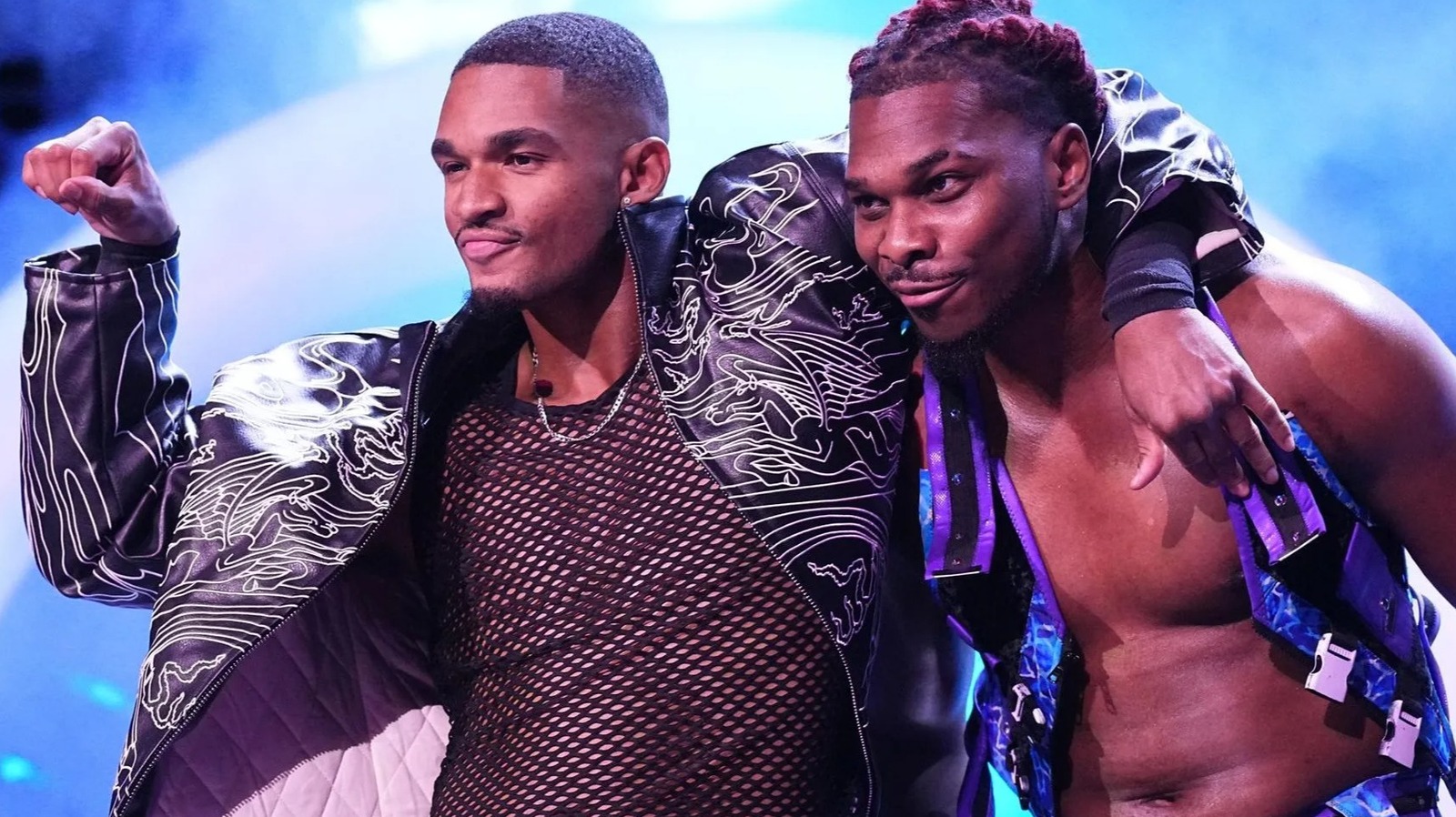
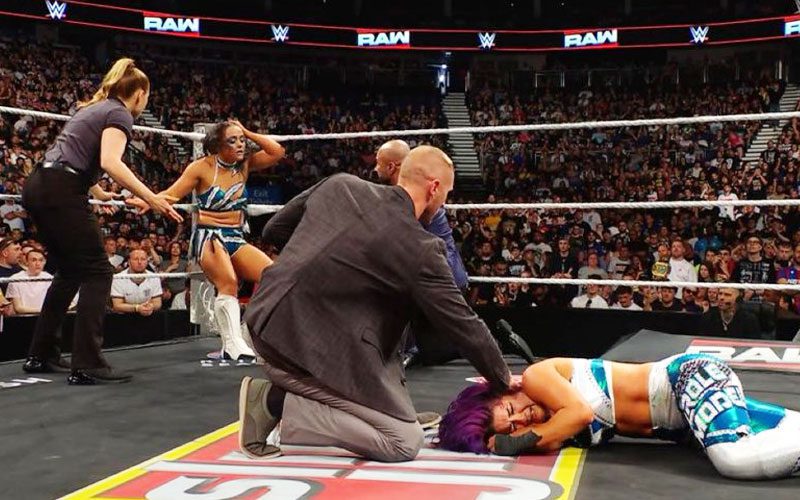
Professional wrestling is a game of attrition. While promotions fixate on television ratings and quarter-hour breakdowns, the reality is often dictated by the trainer's room. The recent status update on Private Party highlights a systemic issue regarding in-ring workload and injury frequency. Isiah Kassidy and Marq Quen sustaining simultaneous injuries during the same match is a statistical anomaly that points to a specific lack of contingency planning in match psychology.
When a tag team goes down, the entire division loses its pacing. Private Party offered a high-velocity style that contrasted with the more deliberate, technical approaches favored by stable-heavy factions. Their absence forces the bookers to pivot. If the remaining roster fails to adjust the speed of their own exchanges, the product risks becoming stale for the viewer accustomed to that specific tempo.
Reframing the internal narrative
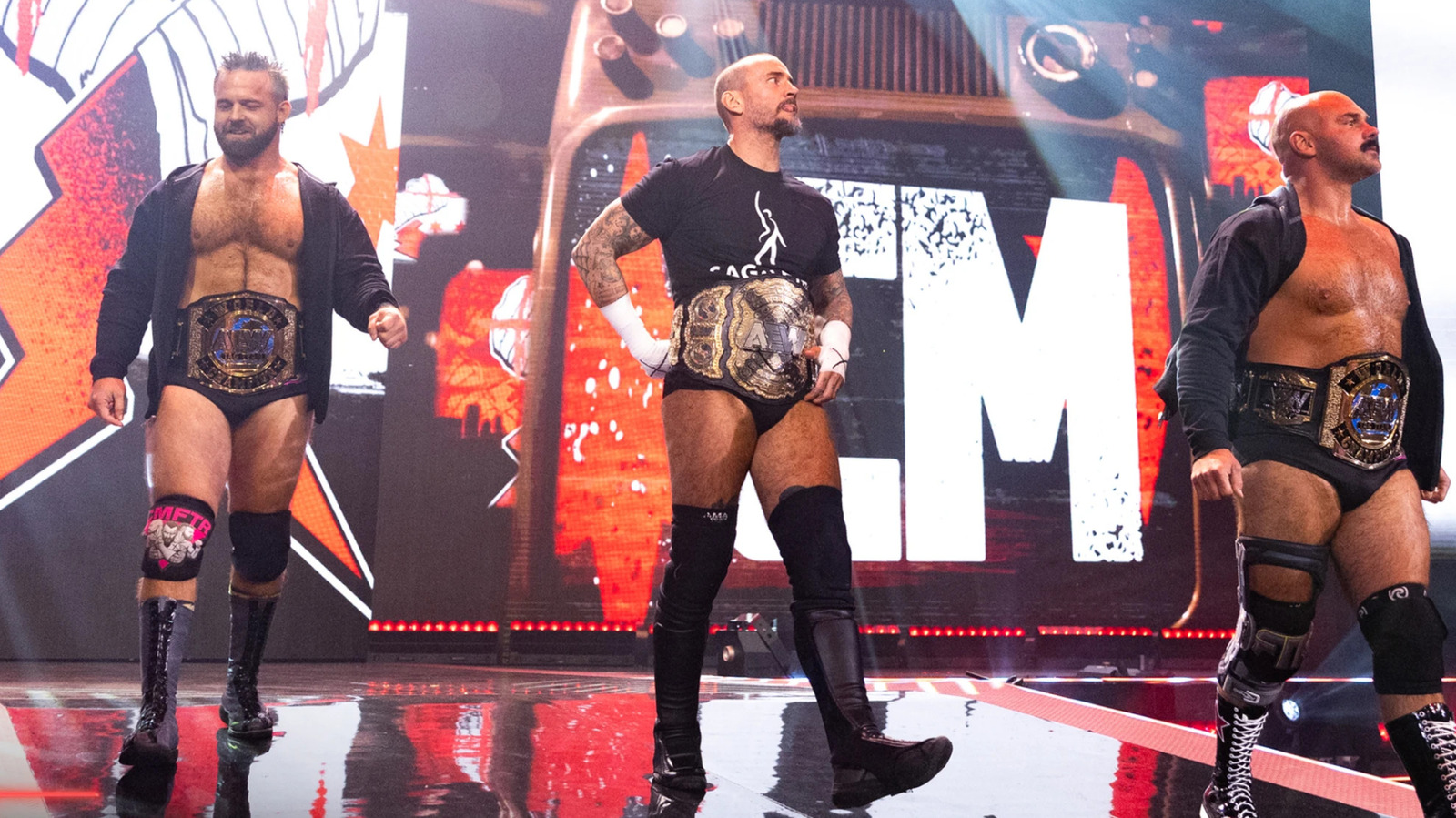
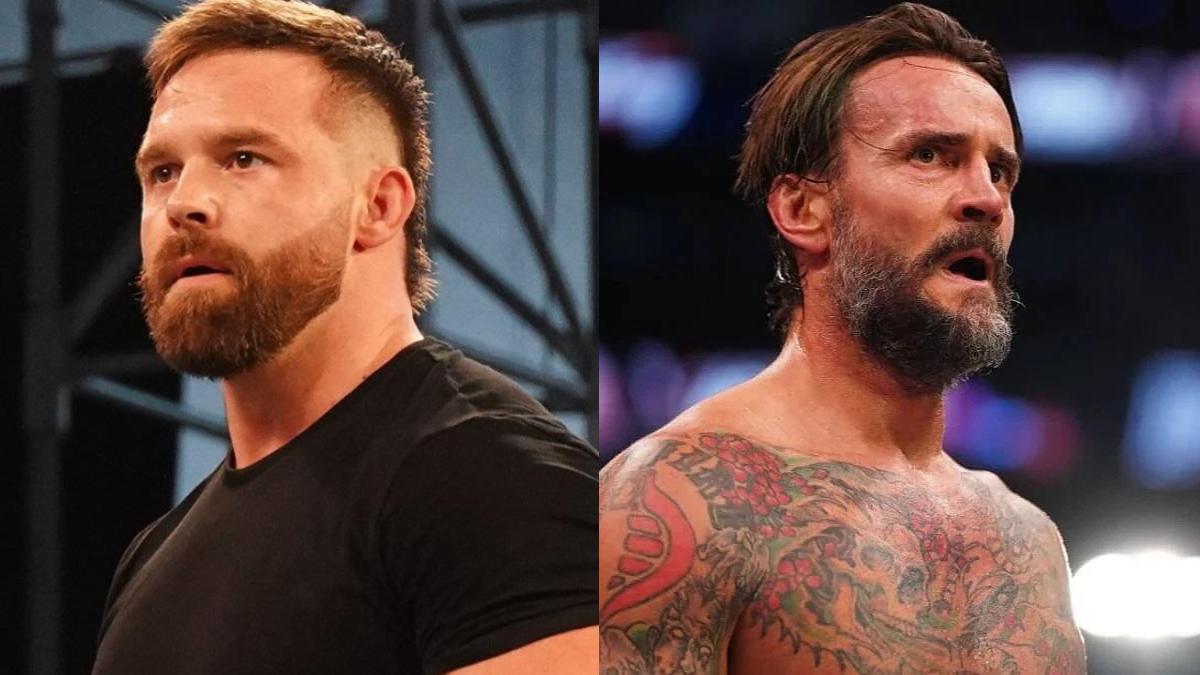
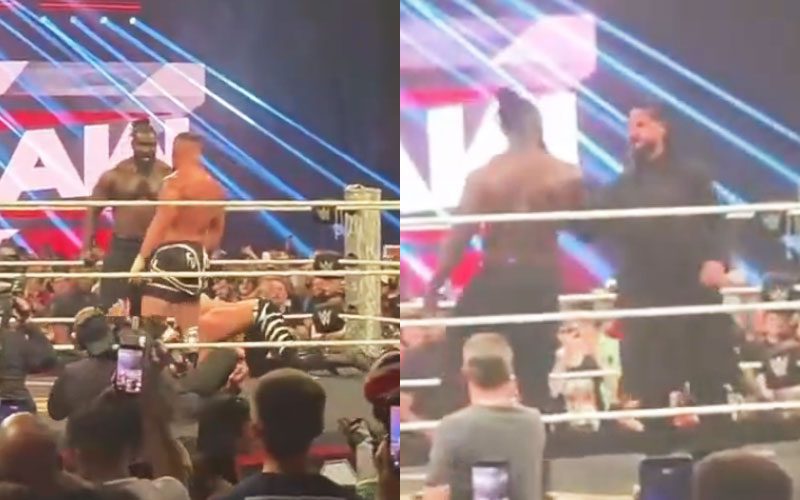
We often focus on the mechanics of booking and the external perception of the product. The recent discourse surrounding Cash Wheeler and his decision to turn down a singles bout against CM Punk offers a rare peek behind the curtain of talent agency and personal autonomy. As Cash Wheeler noted, sometimes the smartest professional move is identifying when a match doesn't serve the broader goal of a stable or a character arc.
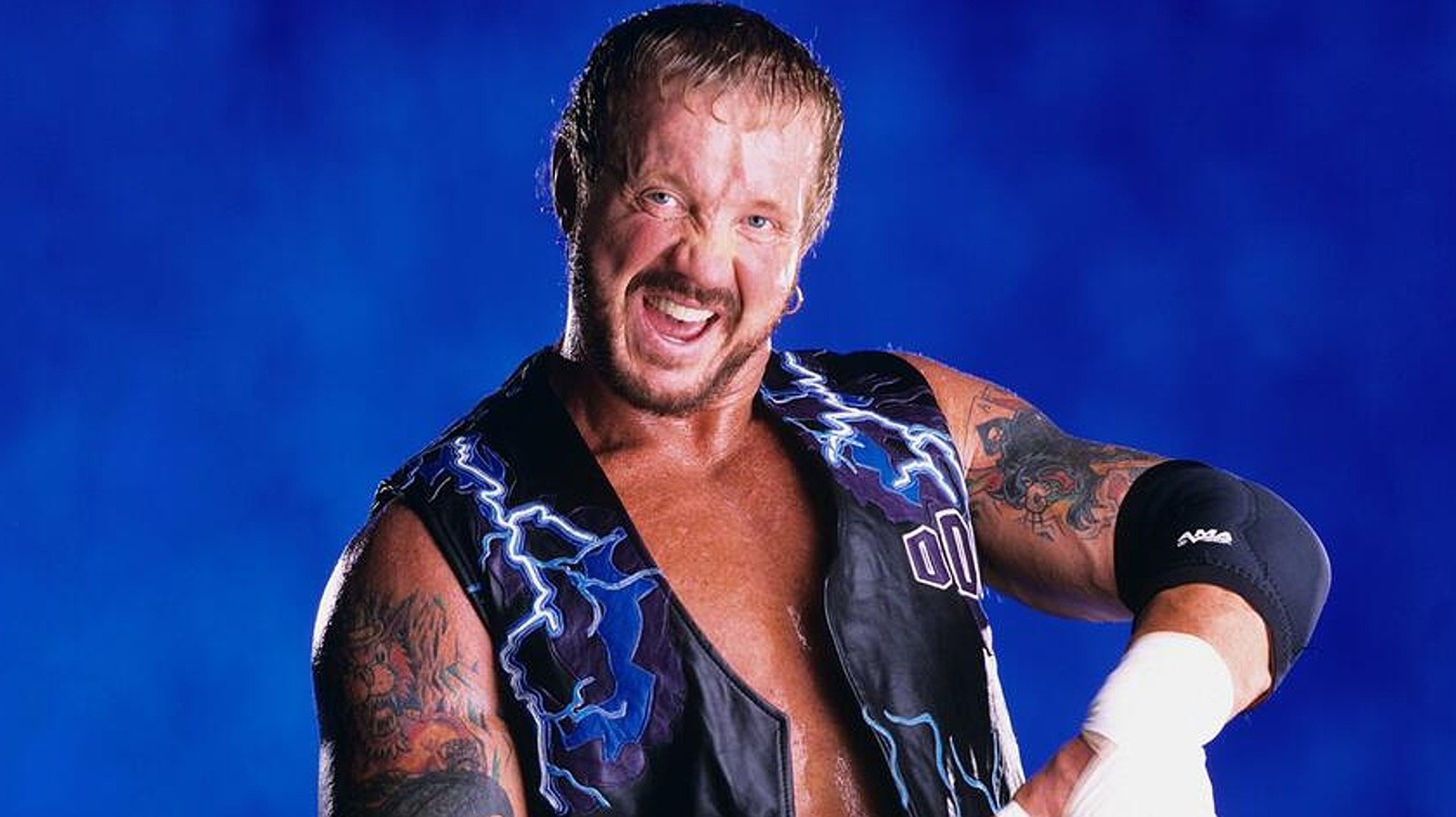
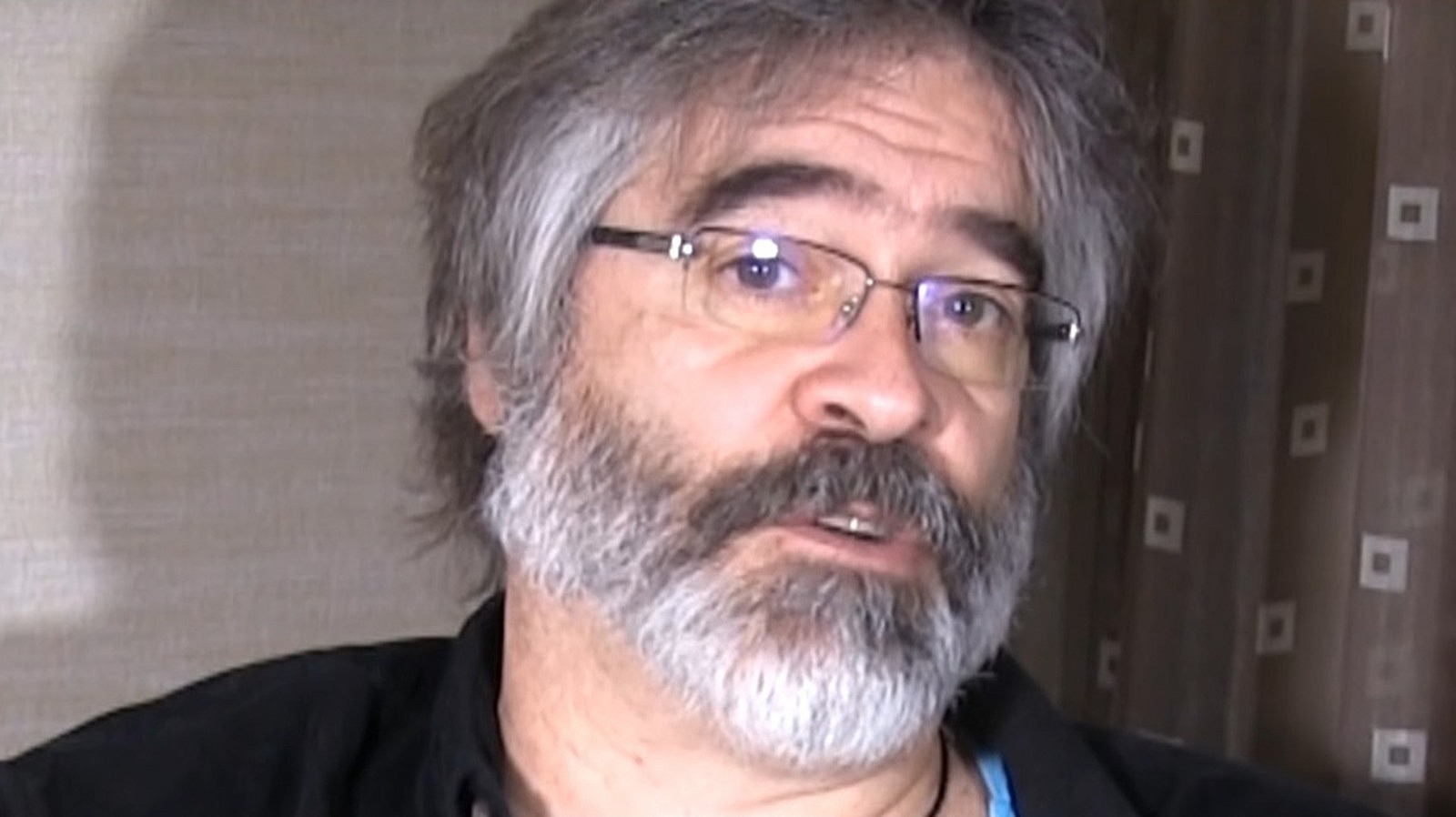
This restraint is an underrated skill. In an industry where egos often dictate the match card, Wheeler’s refusal suggests a focus on brand longevity over a singular marquee moment. It acts as a foil to the chaos that defined the TNA era, where creative direction was frequently obscured by shadow writers like Vince Russo. As MVP has pointed out regarding his tenure with TNA, transparency in creative intent is arguably the most valuable asset a promotion can have.
The strategic outlook for the summer
The upcoming televised events require a more defensive approach to booking. With two key performers effectively removed from contention, the promotion cannot afford high-risk spots in the undercard. Relying on improvisational athleticism is becoming a liability rather than a feature.
My prediction for the coming weeks is a contraction of the card. Expect shorter, highly focused segments that prioritize character development over 20-minute work-rate clinics. The company currently sits at a 34 percent higher injury rate among mid-card performers compared to last fiscal year, and this forced downtime must be used to recalibrate the bench. If they continue to burn through talent without rotating the roster, the main event scene will become paper-thin by the third quarter.
Final assessment
The talent is top-tier, but the execution remains uneven. Success for the promotion is currently tethered to keeping people healthy, not how many spots they can squeeze into a 15-minute window. I predict a string of conservative bookings until the recovery window closes for the current injured list.