Fenix sidelined following championship transition
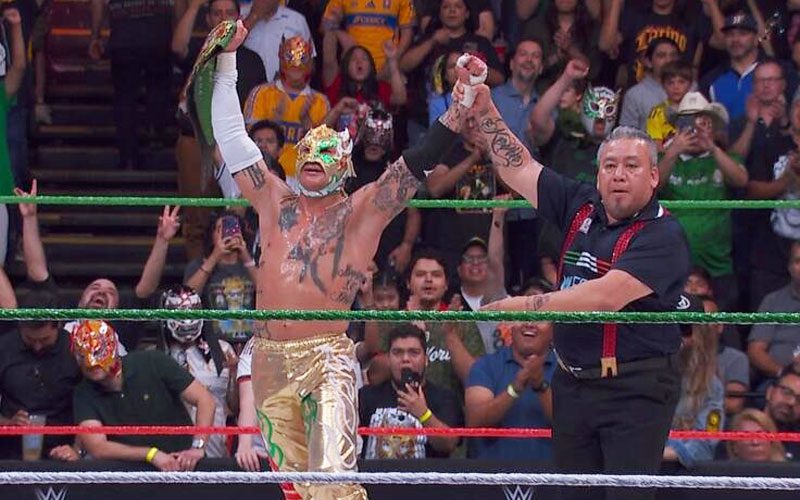
Rey Fenix is currently off the active roster due to a lower-limb injury. The injury occurred during his championship bout against Laredo Kid, where Fenix successfully secured the AAA World Cruiserweight Championship. Sources indicate the damage is restricted to the ankle, specifically resulting from an awkward landing during a high-velocity sequence in the final three minutes of the match.
Medical examinations conducted on June 20, 2026, confirmed significant ligament strain. While the injury does not require immediate surgery, the recovery process necessitates a period of complete immobilization. The target for his return is mid-August 2026, pending evaluation of his mobility under high-impact conditions.
Impact on championship trajectory
The timing of this setback creates a logistical hurdle for AAA and their ongoing collaborative scheduling with WWE. Fenix was slated to anchor a series of title defenses throughout the height of the summer season. Missing these dates creates a void in the cruiserweight division, effectively halting the momentum generated by his recent title victory.
Reports suggest that officials are currently debating whether to strip Fenix of the belt or move toward an interim title scenario. This mimics the internal friction seen during the 2024 cruiserweight crises, where inconsistent booking led to diminished fan interest in the division. Strategic planning for the division now requires an immediate pivot to maintain relevance.
Historical context of limb injuries
Ankle and lower-leg stability issues remain the most frequent cause for long-term absence among high-flyers. Fenix relies heavily on complex aerial maneuvers, putting constant pressure on these joints. His style of wrestling, which prioritizes speed and rotational torque, increases the likelihood of recurrence if he returns before full ligament maturation.
Past performers with similar profiles, such as those relying on 450-splashes and corkscrew variations, often face reduced longevity. The physical demand of these maneuvers forces a condensed career window regardless of health. Critics have pointed out that the lack of rest time between the recent title win and the onset of this injury suggests a failure in load management protocols during the current AAA and WWE cross-promotion schedule. Pushing a talent through a high-profile championship chase while managing sub-clinical fatigue is a recurring mistake.
Operational fallout
The immediate consequence is a forced reshuffling of the cruiserweight card for the remainder of Q2 2026. Promotions are known for failing to account for injury downtime in their narrative planning, leading to disjointed title reigns that lose their prestige through inactivity. If Fenix cannot return for the projected August timeline, the division risks becoming a secondary concern for the remainder of the year.
Competitors like Laredo Kid are now positioned to fill the gap, though replacing a champion of Fenix's technical profile remains an uphill battle. The division currently suffers from a lack of depth that can sustain audience engagement during a primary title vacuum. Management must decide quickly whether to maintain the current direction or reset the division entirely to mitigate the loss of their top star.
Ultimately, this situation highlights the precarious nature of collaborative booking. When talent is shared across platforms, the accountability for medical oversight becomes murky. Fans are left waiting for updates on when they might see the champion back in the ring, while the championship itself sits stagnated. The lack of clarity around the belt's status is a significant administrative failure.
Industry observers should look for the AAA scheduling release early next week for concrete answers. Until then, the cruiserweight scene will continue to drift without its central figure. Relying on short-term fixes for long-term injuries is a strategy that rarely survives contact with the realities of professional wrestling.