The Incident in Laredo
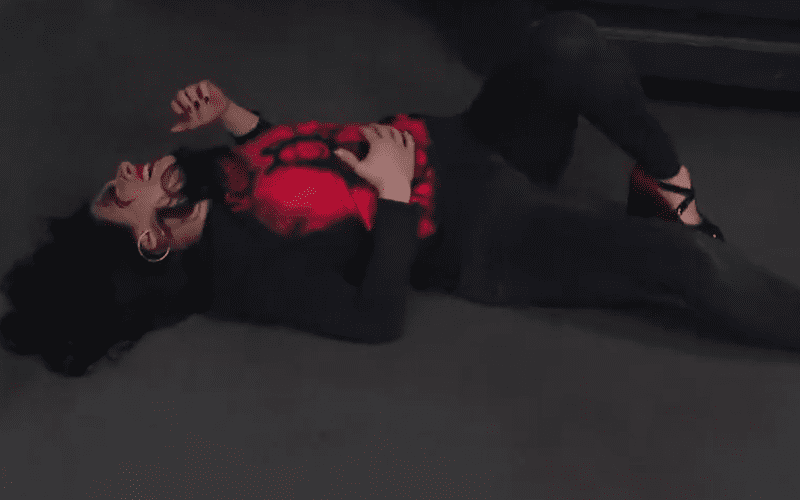
Stephanie Vaquer's abrupt exit from the April 27 edition of WWE RAW in Laredo, Texas, wasn't just a dramatic television moment. It was a calculated operational pause. The Sames Auto Arena crowd watched as Vaquer was written off television via a storyline injury angle. While the broadcast framed it as a devastating in-ring incident, the reality of these angles often points to proactive roster management and necessary physical maintenance.
When WWE uses an on-screen attack to remove a talent from the active schedule, it usually serves a dual purpose. It builds heat for an antagonist while granting the injured performer necessary time away from the ring. From a sports medicine perspective, the timing is highly instructive. We are barely a week removed from the physical demands of WrestleMania 41, a period notorious for pushing performers to their absolute physical limits.
The buildup to WrestleMania requires an intense peaking phase. Wrestlers manage grueling travel schedules, elevated physical output, and immense psychological stress. By the time the post-WrestleMania RAW and SmackDown episodes conclude, many performers are running on fumes. Nagging issues—micro-tears in ligaments, chronic joint inflammation, or concussive recovery—need immediate attention before they develop into catastrophic failures.
The Toll of the Transition
Vaquer’s in-ring style is inherently demanding. Her background in lucha libre and the physical international circuits involves high-impact collisions and complex joint manipulation. Adapting that hard-hitting style to the WWE schedule takes an undeniable physical toll. The ring canvas is heavily reinforced, and the bump frequency on weekly television accelerates wear and tear on the knees, neck, and lower back.
Furthermore, evaluating an athlete's biomechanical stress load requires looking at their recent match frequency. Vaquer has been a workhorse since making her debut, taking significant bumps on television and untelevised live events. The cumulative impact of taking flat back bumps on a reinforced wooden ring frame compresses the spinal discs and creates muscular stiffness that cannot be resolved with basic stretching routines.
When an athlete tries to outwork this kind of chronic stiffness, their body inevitably compensates. A stiff lower back alters the wrestler's running gait. That altered gait puts abnormal stress on the knees and ankles, creating a kinetic chain reaction that usually ends in a severe tear. The medical team pulling her off the road now via a storyline attack is the textbook definition of preventative medicine.
Writing her off with a storyline injury suggests a carefully managed absence. If she had suffered a catastrophic acute injury in the ring—like a torn ACL, a ruptured Achilles, or a severe neck fracture—the reporting usually leaks immediately from local medical facilities. Fans and journalists typically spot the talent leaving the arena in a brace or traveling to specialized surgical centers. An injury angle, by contrast, gives the creative team total control over the narrative.
This approach allows them to explain her absence without breaking the fourth wall, while the medical staff handles the real-world rehabilitation behind closed doors. It is a highly effective way to protect the talent's aura while quietly addressing biological realities. The medical team at the WWE Performance Center can now evaluate her baseline health without the pressure of a looming television taping.
Recovery Timelines and Protocol
So, what is the realistic timeline for an absence initiated by an injury angle? That depends entirely on what the angle is designed to cover. If Vaquer is simply resting a strained shoulder or managing patellar tendinopathy, standard conservative treatment requires roughly four to six weeks of active rest. That timeline involves unloading the affected joint, utilizing targeted physical therapy, and slowly rebuilding explosive strength through controlled resistance training.
A four-week timeline comfortably rules her out of WWE Backlash on May 9. Missing the premium live event allows her to bypass another intense training camp and focus entirely on systemic recovery. This is a smart, conservative approach to talent management. Pushing through a minor strain just to make a B-tier premium live event often results in a major rupture down the line, a mistake WWE has made in the past.
If the angle is covering a minor surgical procedure—such as an arthroscopic knee debridement to clean up torn meniscus cartilage—the timeline extends to six or eight weeks. These 'clean-up' surgeries are extremely common in the post-WrestleMania window. Wrestlers frequently work through minor meniscal tears during the spring, waiting until the biggest show of the year is over to finally undergo the knife. The subsequent storyline attack provides the perfect cover for a two-month surgical recovery.
Strategic Roster Rotation
There is also the very real possibility that Vaquer is completely healthy, and this is purely a creative pivot. WWE frequently cycles talent off television to prevent character overexposure. Removing a high-profile name from the weekly rotation creates a vacuum. It forces the audience to miss them, resetting their character for a massive return pop later in the summer.
Historically, we have seen this exact strategy employed with top-tier performers across the industry. A brutal backstage assault or a vicious steel chair attack explains a sudden, shocking disappearance. The performer takes a much-needed vacation, heals up minor bumps, and returns a few months later with renewed momentum. For Vaquer, a return in late June or early July would align perfectly with the television build toward SummerSlam.
However, assuming there is a legitimate medical reason behind the angle, the rehabilitation process will be rigorous. Vaquer will likely have access to hyperbaric oxygen therapy, advanced hydrotherapy pools, and dedicated physical therapists. The goal of modern sports medicine is never just getting an athlete back to their previous baseline. It is about identifying biomechanical weaknesses and returning the athlete stronger and more resilient to the specific demands of the WWE ring.
Impact on the Division
The RAW women's division will have to quickly adjust to her absence. The immediate focus now shifts to how the creative team fills the television time previously allocated to her segments and matches. This presents a massive opportunity for emerging talent to step up and claim the spotlight. In professional wrestling, one person's injury angle is almost always another person's television push.
As Backlash approaches, the card will solidify without Vaquer's involvement. The booking decisions made over the next two weeks will reveal exactly how heavily the company was relying on her presence. If the division feels thin without her, it exposes a glaring lack of depth that the front office will desperately need to address in the upcoming draft or through immediate NXT call-ups. Relying on the same four women to carry the top of the card is a formula for audience burnout.
We will monitor the situation closely as the weeks progress. Any reports of her being spotted at medical facilities in Birmingham, Alabama—WWE's preferred orthopedic center—will immediately change the context of this absence. A trip to Birmingham usually indicates a consultation with Dr. James Andrews' orthopedic group, which points toward surgical intervention rather than simple rest.
Until then, the official line remains the storyline injury suffered in Laredo. The reality is likely a strategic mix of necessary physical maintenance and smart roster rotation. In a business that demands a grueling 52-week commitment, sometimes the smartest move a performer can make is taking a highly publicized, brutally staged exit.
Read Next
- Stephanie Vaquer out indefinitely following Judgment Day attack on Raw
- Tiffany Stratton sidelined: The reality of being left off the biggest card
- WWE RAW needs to stop coasting on the WrestleMania 41 high
- WWE must stop sacrificing the women's division to the WrestleMania clock
- 💥 WWE Backlash 2026 — Full Coverage Hub