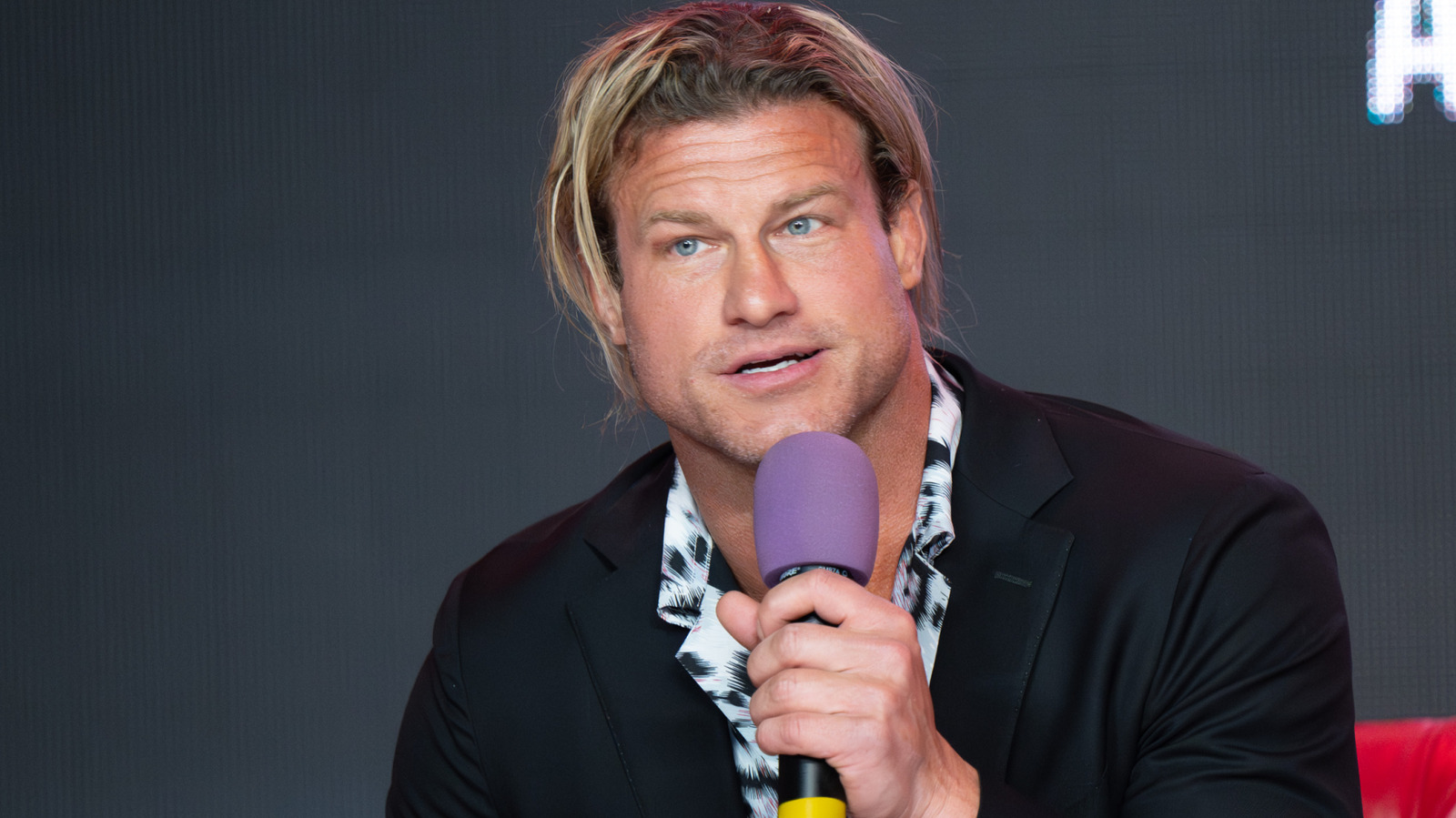
SmackDown is finally stripping away the creative filler
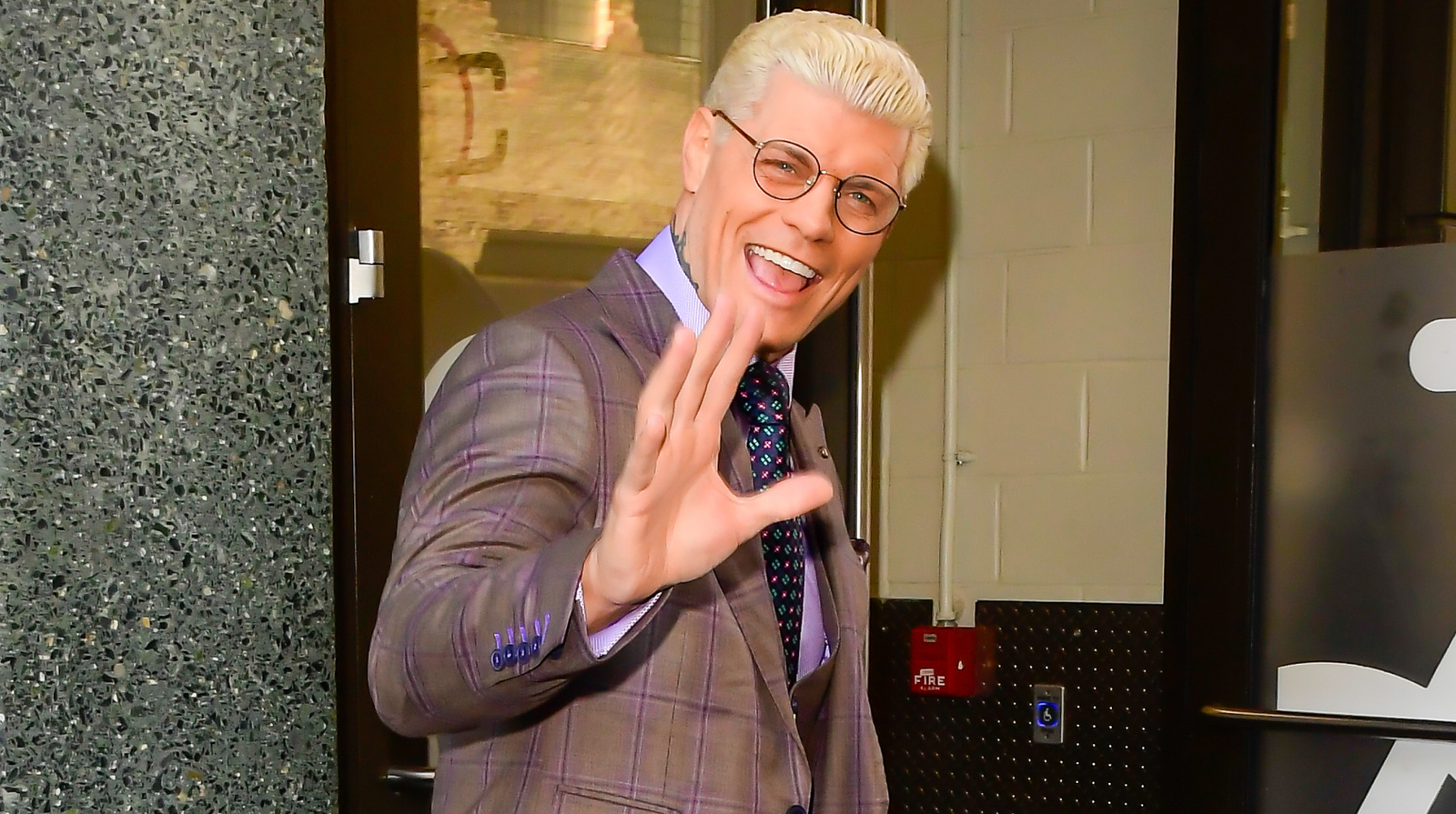
High-stakes programming finds its footing
The June 19 broadcast from Kansas City felt like a deliberate shift in philosophy for the blue brand. For months, the show has vacillated between legitimate narrative progression and repetitive, aimless segments that felt like placeholders. However, scheduling two championships on a single night forced a tighter, high-intensity pace that the roster genuinely seems to thrive in. As Wrestling Inc recently documented, the focus on tangible, physical stakes provided a clean structure absent of the usual creative fluff.
We are watching a transition where talent is expected to deliver under pressure rather than simply cutting promos between matches. The inclusion of an Undisputed WWE Championship bout alongside a Tag Team Championship defense established a clear hierarchy for the evening. When title matches anchors the card, the rest of the show adopts a sense of gravity that elevates even the mid-card segments. It mirrors the discipline seen in the eras of authority figures like Teddy Long, who recently spoke on the specific pressures of managing the SmackDown brand’s identity.
The friction between pacing and production
Despite the improved match quality, the show is not without its glaring flaws. The transition between the primary championship feuds and the supporting #1 contender bouts remains overly jagged. Booking two titles on one night is an excellent way to spike ratings, yet it forces the undercard to rush through its spots prematurely. In the quest for efficiency, some of the technical storytelling—particularly the transitions between high-flying offense and mat-based rest holds—suffered from a lack of breathing room.
There is also the matter of consistency. While Kansas City received a focused, high-output production, the organization continues to struggle with its broader touring obligations. The recent news regarding a canceled September 4 taping due to logistical hurdles reveals an organization that remains frantic behind the scenes. As reported by Wrestletalk, when production issues bleed into the public schedule, it undermines the professional image the brand seeks to project. A disciplined in-ring product is only half the battle if the internal machinery is prone to such abrupt public stalls.
Refining the championship dynamic
The tactical approach to the main event highlights why the high-stakes format works better than the long-form storytelling that often leads to bloat. By keeping the match logic tight—focusing on heavy strikes and counter-grappling—the performers forced the audience to lock in rather than wait for dramatic pyrotechnics. This isn't just about winning a belt; it is about the physical toll required to maintain a spot in the main event hierarchy.
Refining the women's division also proved to be a point of divergence. While the question of who faces Iyo Sky dominated the discourse, the execution felt disconnected from the gravity of the men's championship bouts. As analyzed in the PWInsider coverage, the momentum shifts in that particular sector have been inconsistent, often relying on interference rather than clean athletic escalation. If they can apply the same structural intensity to the women's title picture as they did to the men's on June 19, the brand will finally be able to shed the inconsistency that has hindered it during the first half of the year.
The shift to a 50/50 split in focus between championship bouts and developmental storylines is the sweet spot. It provides a payoff for long-term viewers while allowing newer fans to understand exactly why a match matters within the first five minutes. The management team deserves credit for this pivot, but the real test is the next month. Without the crutch of constant title bouts, they must sustain this level of urgency through simple, effective storytelling. For now, the product is in a 7/10 state of health, significantly better than the aimless wandering of previous quarters.
WWE Cody Rhodes Signature "American Nightmare" Weight Belt Replica
The ultimate fan accessory to complete your American Nightmare look.
Frequently Asked Questions
How did the June 19 SmackDown improve its show structure?
What issues remain with SmackDown's current booking strategy?
What does the June 19 broadcast suggest about current WWE creative priority?
Why is SmackDown still struggling with production consistency?
How does the high-stakes format affect wrestler ring performance?
More Coverage
Bischoff back in the mix: What a potential WWE return means
an hour ago
Old school legends are setting themselves on fire on social media
an hour ago
Top 10: Most Impactful Moments in Modern Wrestling History
2 hours ago
Top 10: Iconic Wrestling Moments That Defined the Industry
2 hours ago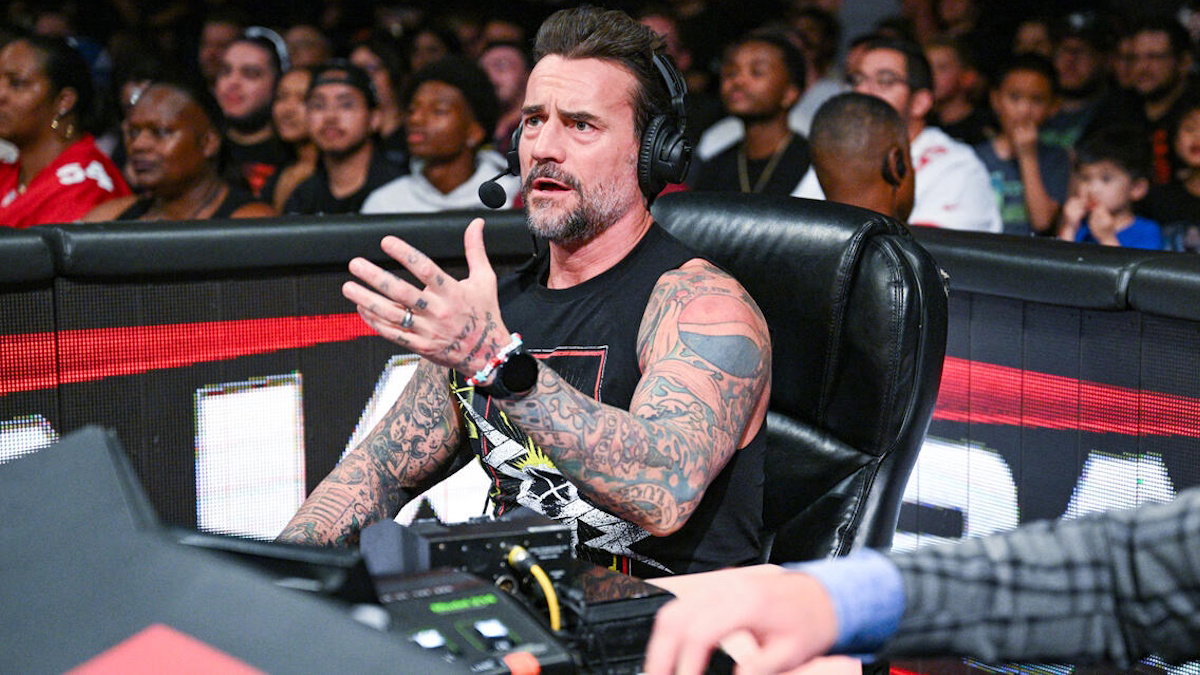
CM Punk is heading back to the commentary booth and fans are losing it
3 hours ago
Avery Styles has a tall mountain to climb on his debut
3 hours agoMore Analysis
Bischoff back in the mix: What a potential WWE return means
an hour ago
Tommy Dreamer is back on the road and wrestling discourse is a total dumpster fire
an hour ago
Old school legends are setting themselves on fire on social media
an hour ago
TNA needs a steady hand after recent creative internal shifts
an hour ago