The Phenomenal One ponders a career outside the WWE bubble
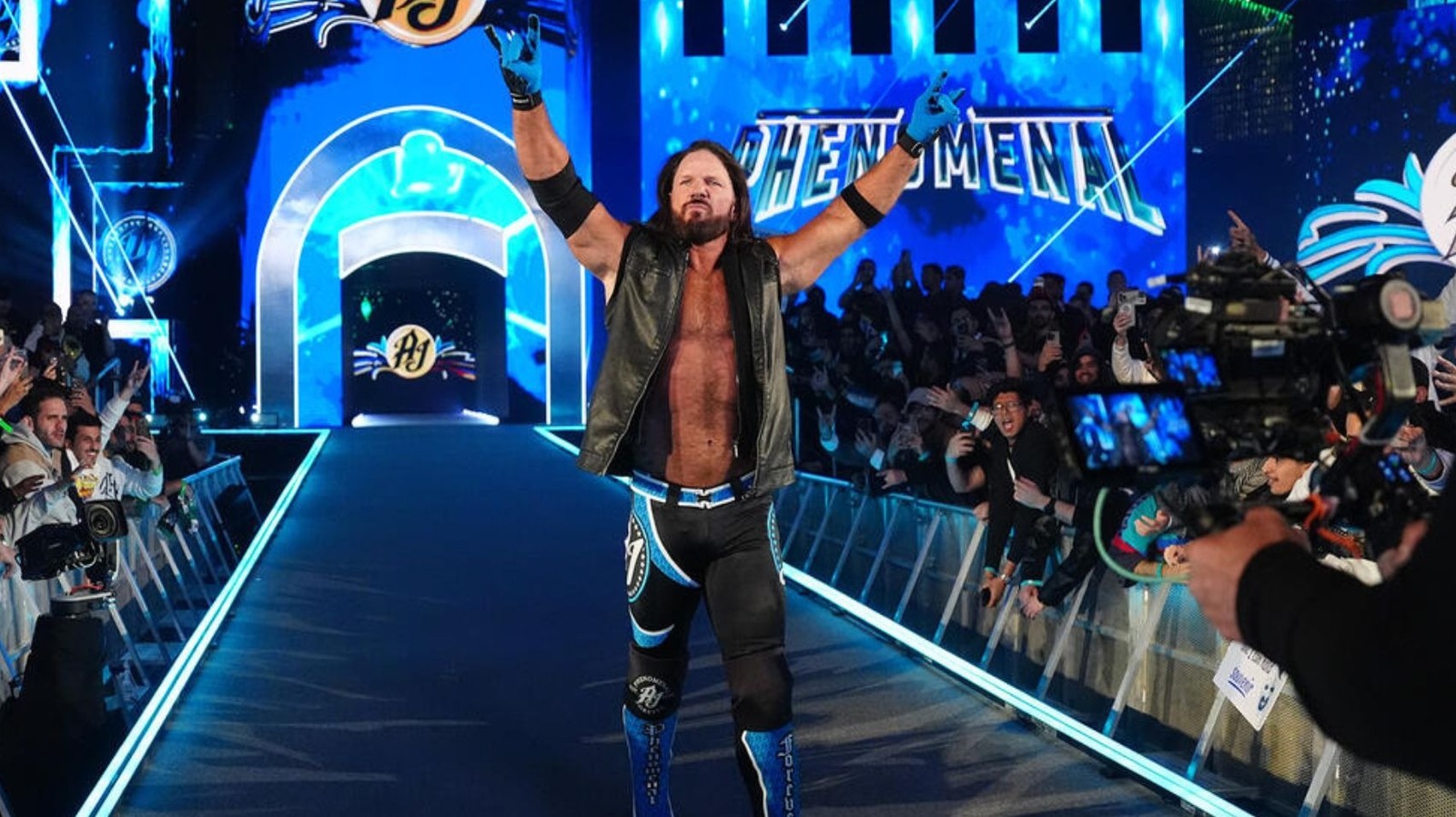
AJ Styles gave a candid interview recently where he addressed his long-standing relationship with the company. Despite being a staple of the roster for years, the former world champion admitted a sense of detachment from the corporate machine. Styles noted that he occasionally feels like he simply doesn't fit the mold of a traditional internal talent.
This is a jarring admission from a man who has anchored main events since his 2016 debut at the Royal Rumble. Styles has been the face of the brand during various transitions, yet he remains grounded by his roots outside the Stamford system. He has spent the bulk of his career defining himself in organizations like TNA and NJPW, which explains the friction he feels now.
Sometimes I feel like I'm not a WWE guy.
The comment raises questions about his long-term trajectory. If a performer as decorated as Styles feels like an outsider, it suggests there is a ceiling on how much the company culture truly integrates talent who made their names elsewhere. We are seeing a shift where legacy performers are looking at their resumes with more critical eyes than ever before.
Styles also touched on the logistical reality of his next potential comeback. He is not ruling out a return to the ring, but he is quick to temper expectations regarding the timing and format of such an appearance. As Wrestling Inc recently reported, the veteran is keeping all doors open while focusing on his life outside the spotlight.
Brie Bella pivots toward a singles trajectory
While Styles reflects on his identity, Brie Bella is actively plotting a shift in her competitive focus. Since her most recent return to the active roster, Bella has been utilized primarily in tag team scenarios. She is now signalling a desire to move back into the singles division where she previously held the Divas Championship.
This move is a calculated attempt to re-establish her credentials as a solo worker. Tag divisions in the modern era rarely provide the same level of narrative depth as a structured singles campaign. For a performer who has spent years balancing retirement, reality television, and limited runs, a focused singles push is a logical choice to burnish her legacy.
However, the skepticism remains regarding whether the current creative staff has the booking bandwidth to support a standalone run for the veteran. There is a crowded field of younger talent pushing for high-profile spots. A pivot to singles competition means stepping into a shark tank where time is the most valuable commodity.
Industry implications of the veteran shifting focus
Both situations highlight a broader trend where senior talent is exerting more control over their career paths. The era of blind obedience to booking mandates is fading. Performers are openly discussing their dissatisfaction or their future goals, creating a more dynamic atmosphere behind the scenes.
Styles brings a specific veteran gravitas that the company cannot easily replace. If he feels like an outsider, that disconnect will eventually manifest in his work. If the creative team fails to find a hook that resonates with him, we may see a significant drop in his desire to contribute to the current product.
The risk for the company is clear. When icons start talking about their lack of belonging, the audience notices. Styles being unhappy is one thing, but if he transitions into a role where he is essentially a mercenary, the quality of his eventual in-ring return will suffer. His current status is a reminder that even the biggest stars are just employees who can reach a breaking point.
Booking the comeback trails
As WrestlingNews.co has highlighted, the internal sentiment surrounding Styles is that he remains a professional, even if he feels like a square peg in a round hole. He continues to provide value, but the passion that made his early run legendary is being replaced by a more pragmatic outlook. This doesn't mean he is retiring tomorrow, but it does mean we are seeing the final phase of his tenure.
Brie Bella faces the opposite hurdle. She must prove that she can still carry a sustained program without the protective umbrella of a tag team match. Whether she can manage the 20-minute main event sessions now required to stay relevant in the women's division remains the core test. Her path is harder to define because she is trying to reclaim a stature she held nearly a decade ago.
Ultimately, these two performers represent different ends of the same problem. Legacy acts are looking for purpose in a company that rarely looks back. Whether they find it will dictate their final act in the industry. As noted in recent coverage of the locker room shift, the veterans are the ones driving the conversation about their own future. The front office would be wise to listen to what they are saying before the disconnect leads to an early exit for one of their most popular names.