The Physical Reality of the Syracuse Tapings
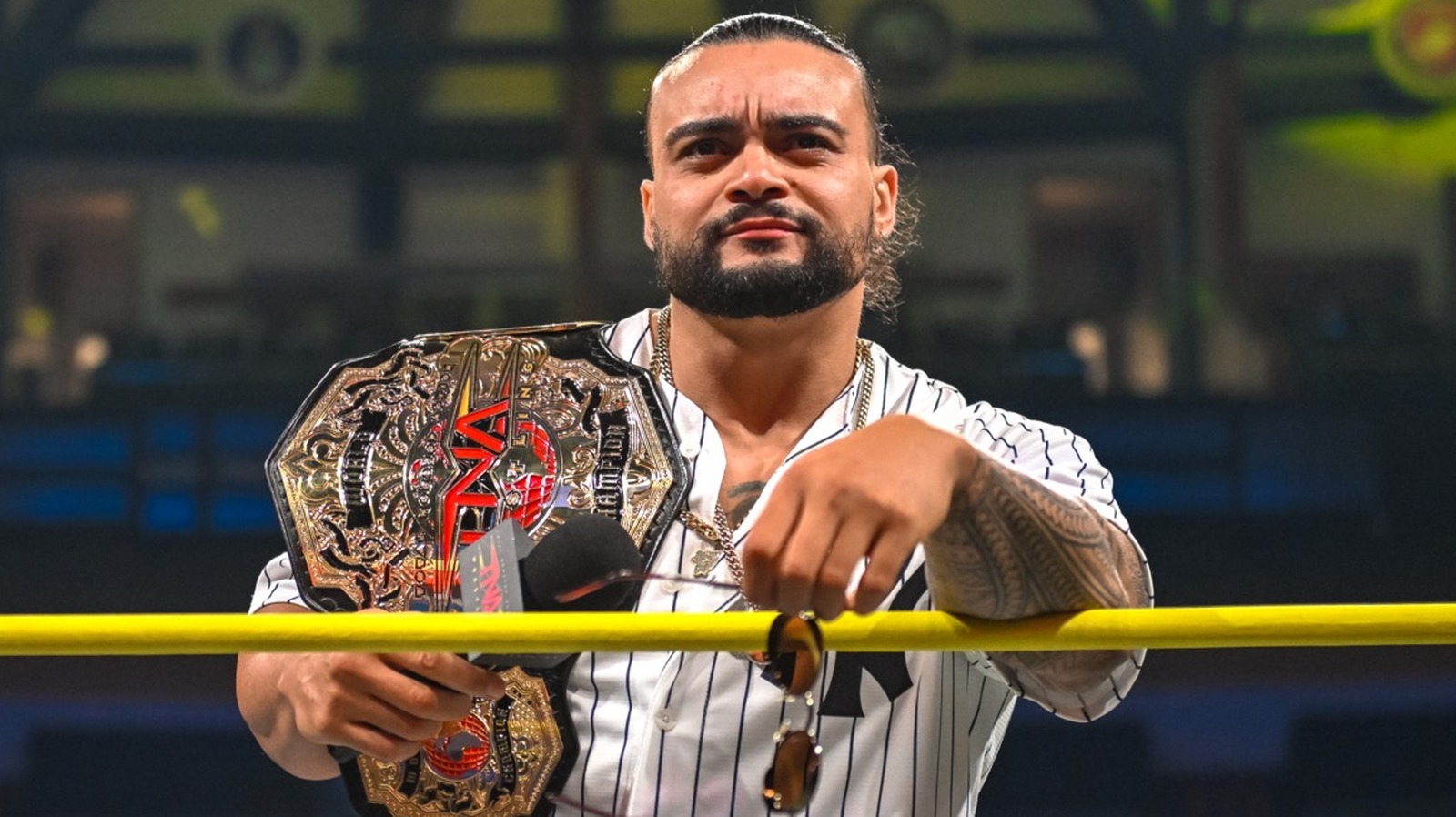
TNA's recent swing through the Upstate Medical University Arena in Syracuse left the roster battered. The main event of the April 23 tapings saw Mike Santana retain his TNA World Championship against Rich Swann. Both men carry significant medical baggage into every match, proving that the physical toll of a main event schedule is mounting.
It is almost poetic that the television tapings took place at a venue named for a medical university. The concrete floors underneath the ringside mats offer zero forgiveness, transferring kinetic energy directly into a wrestler's joints on every outside bump. The Syracuse crowd witnessed several high-impact collisions that will require significant icing behind the curtain.
Testing the Graft: Mike Santana's ACL
Santana's journey back to the top of the mountain is medically fascinating following his devastating torn anterior cruciate ligament during a cage match in 2022. Reconstructive surgery for a full ACL rupture typically involves a patellar tendon autograft. The recovery timeline usually spans nine to twelve months just for a return to basic athletics.
Pro wrestling demands far more from a knee than straight-line running. The lateral cutting and sudden decelerations required against a high-flyer like Swann place immense sheer force on the joint. In Syracuse, Santana survived a hard-fought title defense, with every pivot on the mat testing the integrity of that surgical graft.
When a wrestler returns from an ACL tear, their biomechanics often subconsciously change to favor the uninjured leg. This overcompensation can lead to secondary injuries in the hips or the opposite knee. Santana has managed to avoid this phase so far, using his ability to ground Swann to dictate the pace and protect his knee from unnecessary high-impact landings.
Rich Swann and the Cost of Aerial Offense
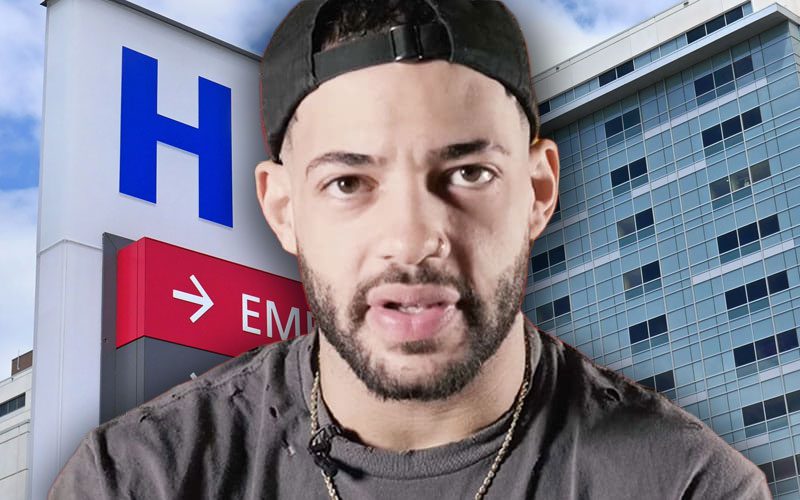
Rich Swann is no stranger to the surgeon's knife. The former champion has dealt with severe lower leg injuries, including a broken fibula and complicated ankle issues. Ankle fractures in high-flying wrestlers are notoriously difficult to fully rehab because the joint loses dorsiflexion, limiting the explosive spring required for top-rope maneuvers.
Swann's reliance on agility makes him uniquely vulnerable. A heavy landing from a 450 splash transmits force directly through the ankle joint up into the tibia, eventually leading to micro-fractures and severe osteoarthritis. The fact that Swann is still competing at a world title level is medically impressive.
However, the wear and tear was visible on Thursday night. Against a powerhouse striker like Santana, Swann was forced to absorb heavy offense that forced his lower extremities to brace for impact. Swann walked out of Syracuse under his own power, but the cumulative damage of his style is a ticking clock.
The "Broken" Reality of Matt Hardy
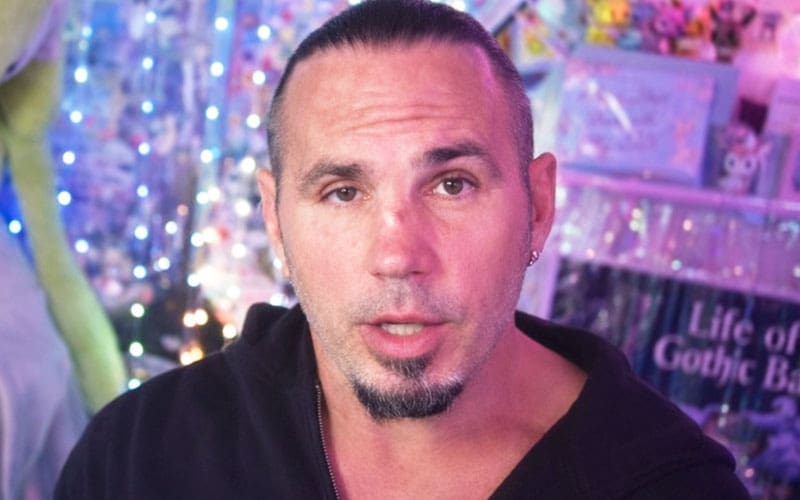
The Syracuse tapings also featured Matt Hardy taking on Dutch. Hardy has been teasing another run of his Broken persona, a moniker that perfectly describes his physical state. Hardy has been fully transparent about his debilitating lower back and pelvic issues over the years.
Decades of performing the leg drop off the top rope severely compressed his lower spine. This resulted in severe spinal stenosis and the eventual fusion of his lumbar vertebrae. Hardy's pelvis and lower back have essentially fused together to protect the spinal cord, limiting his mobility and fundamentally changing his entire gait.
Watching Hardy compete is a study in preservation. He relies on character work and psychological pacing rather than raw athleticism. Taking bumps against a super-heavyweight like Dutch is incredibly risky for someone with Hardy's spinal history, as one awkward landing could result in a severe neurological event.
A Dangerous Booking Precedent
This brings up a glaring negative regarding TNA's current booking strategy. Relying on battered veterans to carry television time poses a massive medical liability. Putting Hardy in the ring with a 300-pound bruiser like Dutch might pop the live crowd, but it is a highly questionable decision from a roster management standpoint.
TNA needs to pivot away from relying on nostalgia acts who are held together by medical tape. Pushing guys with zero cartilage left in their knees limits the physical ceiling of the matches and creates a dangerous precedent for younger talent. You cannot build a sustainable product on the backs of surgically fused spines.
Nic Nemeth and Concussion Protocols
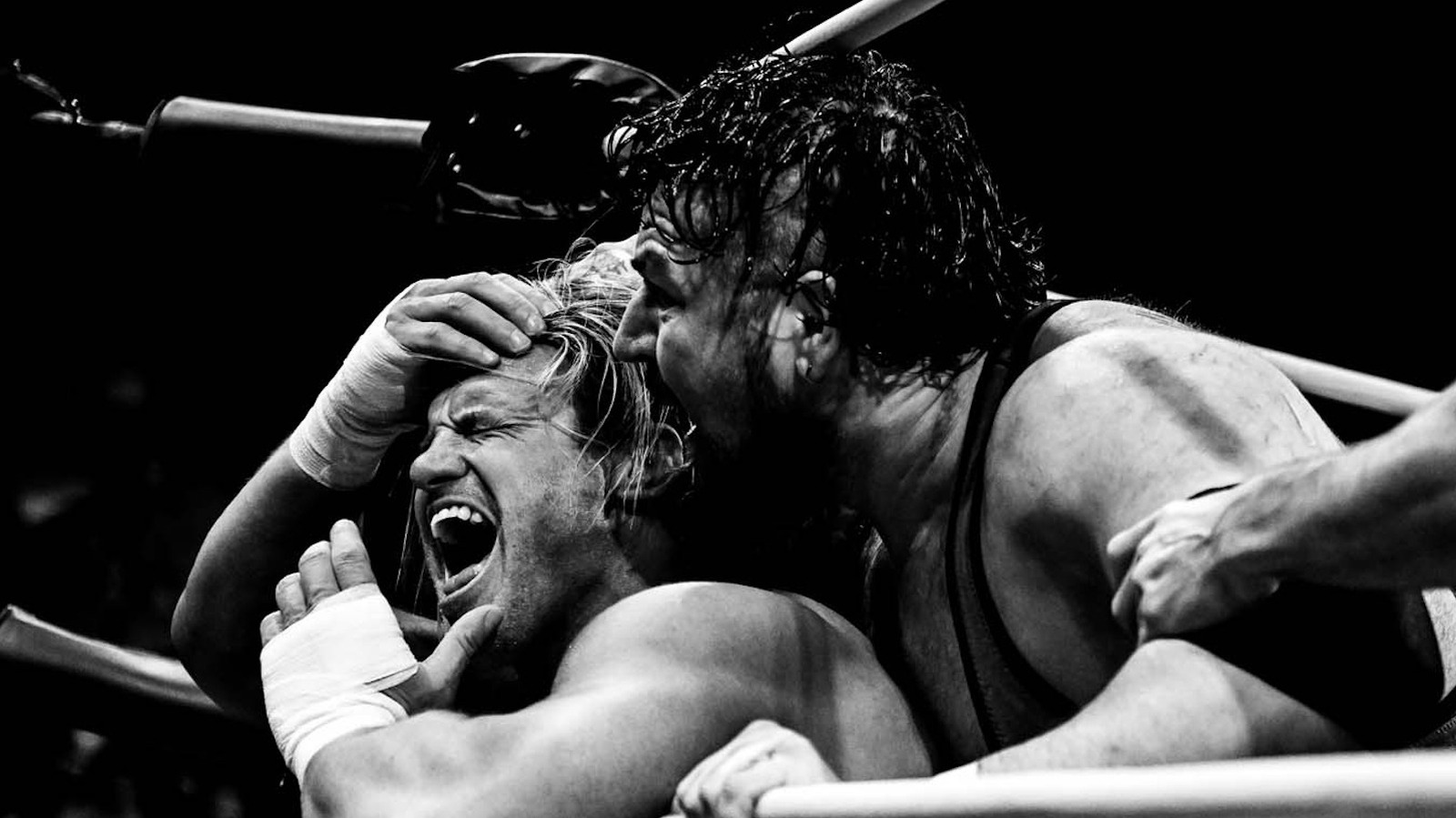
Nic Nemeth also saw action in Syracuse, taking on the massive Bear Bronson. Nemeth is a master of bumping and selling, but that reckless style comes with a severe neurological cost. During his WWE tenure, Nemeth suffered multiple documented concussions, making repeated traumatic brain injuries the dark cloud hanging over his career.
Taking heavy offense from Bronson rattles the brain inside the skull. Even a perfectly executed bodyslam causes a sudden whiplash effect that damages delicate brain tissue. The medical community is increasingly aware of the long-term dangers of contact sports, making Nemeth's commitment to throwing his body around the ring a medical nightmare.
Every time Nemeth hits the mat, the training staff must hold their breath. The protocol for head trauma has improved drastically over the last decade, but the best treatment is prevention. Nemeth escaped Syracuse without a reported head injury, yet his long-term cognitive health remains a lingering concern.
The Biomechanics of the Main Event
Returning to the Santana and Swann match, the stylistic clash is a biomechanical stress test. Santana operates with a heavy, striking-based offense built on his tag team background. Transitioning to a singles main event schedule requires a completely different cardiovascular engine to maintain that high-intensity output.
The anaerobic demands of a long singles match are staggering. Lactic acid builds up in the muscles, slowing down reaction times and creating the exact environment where injuries happen. A fatigued wrestler is a dangerous wrestler who fails to protect themselves on bumps or mistimes a critical catch.
Swann relies on aerobic endurance to maintain his speed advantage. His fast-twitch muscle fibers allow for explosive directional changes, but those fibers fatigue rapidly as the match drags on. The fact that the match was described as hard-fought indicates it went deep into the later rounds, pushing both men to their physiological limits.
Rehabilitation and Recovery Strategies
For Santana, post-match recovery is a calculated science. Modern physical therapy utilizes blood flow restriction training to accelerate healing and prevent muscle atrophy. The surgical graft in his knee requires constant maintenance to prevent scar tissue buildup and maintain flexibility.
Swann likely utilizes aquatic therapy to take the load off his lower extremities. Walking on an underwater treadmill allows him to maintain cardiovascular fitness without the punishing impact of gravity. The ankle joint needs to stay mobile but stable, requiring a delicate balancing act of daily physical therapy.
The TNA medical staff has their work cut out for them heading into the summer. Managing a roster of veterans with extensive injury histories is incredibly difficult when talent must stay healthy enough to perform on television. The April tapings were a success on screen, but the true cost will be measured in the training room.