The Architect of Excess
Vince McMahon spent decades curating professional wrestling through a lens of absolute control. While his departure signaled a shift toward corporate management under TKO, his footprint remains visible in every rejected pitch and archival clip that surfaces today.
This ranking evaluates the top ten moments, decisions, and creative crossroads that define the McMahon era. We are cutting through the nostalgia to examine the logic—and the frequent absurdity—of his booking philosophy.
10. The Samoa Joe Invasion Rejection
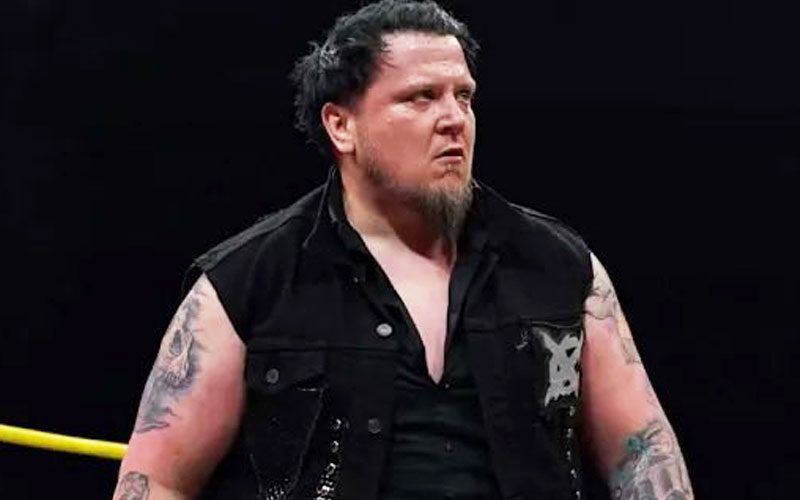
Road Dogg once pitched a home invasion angle involving Samoa Joe, a gritty concept that could have redefined Joe’s intensity in the ring. According to AJ Styles on the Phenomenal Breakthrough Podcast, McMahon killed the idea instantly. This highlights the gap between creative ambition and the rigid television parameters McMahon maintained for years.
9. The Heidenreich Kidnapping Vision
Heidenreich reportedly envisioned a return to WWE television that relied on the narrative stunt of kidnapping Vince McMahon. It was a bizarre, high-stakes pitch that illustrated the type of chaotic storytelling sometimes sought by performers under his regime. The rejection of this idea sits at nine because it perfectly encapsulates the fine line between 'out-of-the-box' and unbroadcastable content.
8. The Corporate Transition Pivot
AJ Styles recently noted that the shift from McMahon to TKO leadership has led to distinct operational changes in how talent is managed. While fans often focus on the spectacle, the administrative move to TKO has removed the singular bottleneck of a lone decision-maker. It marks the professionalization of a structure that was once held together by the mercurial whims of one man.
7. The Montreal Screwjob
Any list involving McMahon is incomplete without acknowledging the 1997 fallout with Bret Hart. It was the moment McMahon broke the unwritten rules of the locker room to protect his company’s brand image. This incident solidified his reputation as a ruthless promoter, proving that no contract or legacy was safe if it threatened his bottom line.
6. The Attitude Era Launch
McMahon leaned into the counter-culture movement of the late nineties by becoming the heel antagonist to Steve Austin. This move turned the promoter into the most despised character on television. He managed to weaponize his own power, translating corporate board meetings into high-ratings television segments.
5. The Acquisition of WCW
In 2001, McMahon effectively became the monopolist of the industry. By purchasing his biggest competitor for a mere $4.2 million, he removed the primary check on his creative decision-making. The absence of competition arguably led to years of stagnant booking and an over-reliance on familiar archetypes.
4. The WrestleMania I Gamble
Without the 1985 success of WrestleMania, the expansion of regional wrestling into a global juggernaut would have likely failed. McMahon wagered his entire company’s liquidity on a show that could have bankrupted him. It remains the single most successful business decision in his career.
3. The Mr. McMahon Persona
The character of Mr. McMahon was not just a role; it was a psychological mirror of how he really viewed his employees. He built a persona that allowed fans to channel their genuine frustration with authority into weekly viewing figures. This blurred reality was his greatest contribution to the medium.
2. The Steroid Trial Defense
In the mid-nineties, McMahon faced a trial that threatened his freedom and the legality of his business. He fought the federal government and won, surviving a collapse that many pundits predicted was inevitable. His ability to navigate crisis defined the longevity of the WWE brand.
1. The TKO Handover
The transition to TKO ownership is the final chapter of the McMahon story. It represents the conclusion of the family-run era in professional wrestling history as documented by recent industry analysis. The shift has fundamentally altered how wrestlers communicate with leadership, proving that the institution has finally outgrown its creator.
Honorable Mentions
The discarded pitches mentioned by Ringside News regarding Samoa Joe show how much talent wrestled under restricted conditions. Additionally, the Heidenreich return idea serves as a reminder of the strange, dark creative paths considered during less scrutinized booking periods. These moments define the erratic nature of the McMahon era.