The 2019 WrestleMania main event is still catching heat
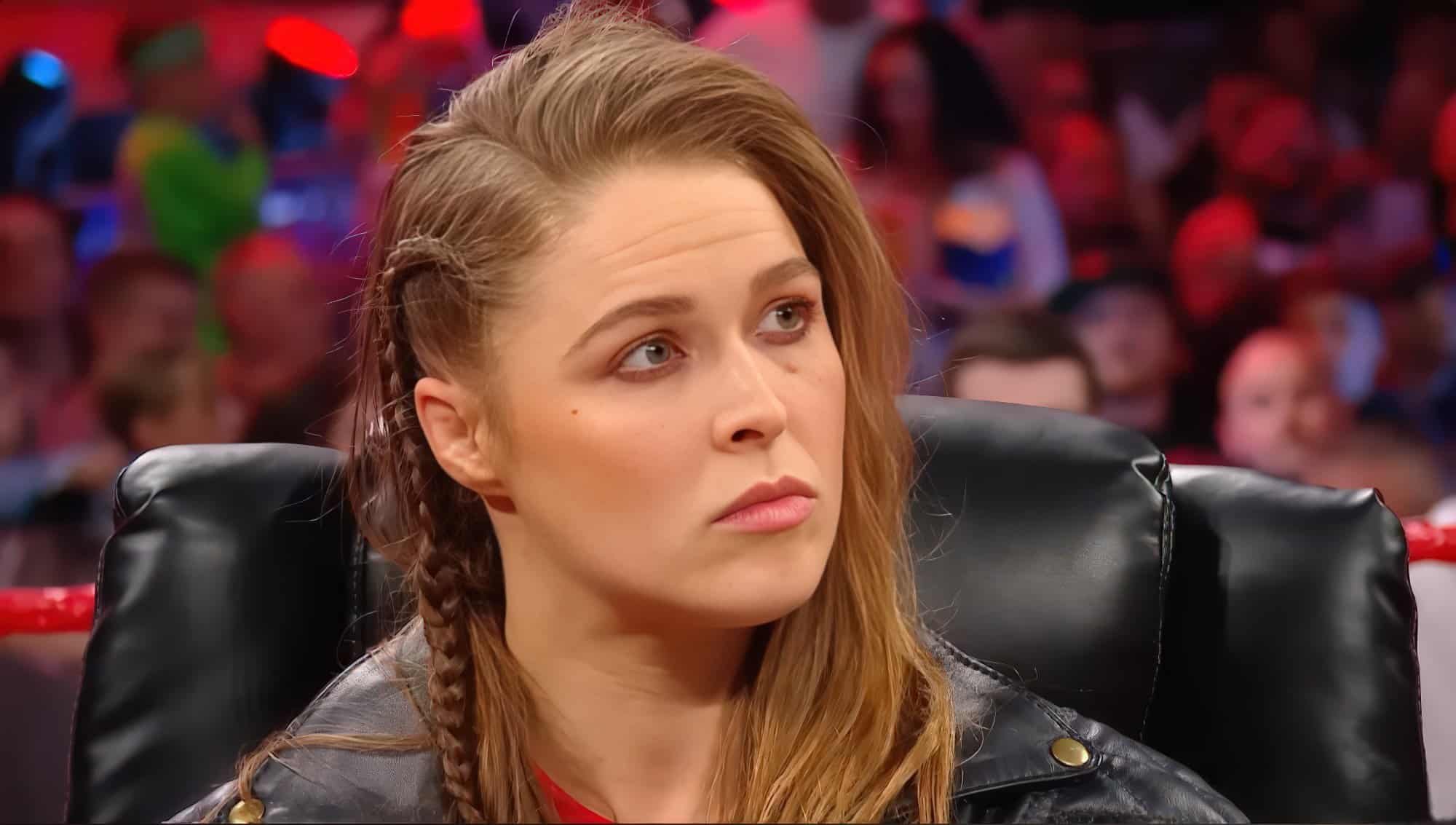
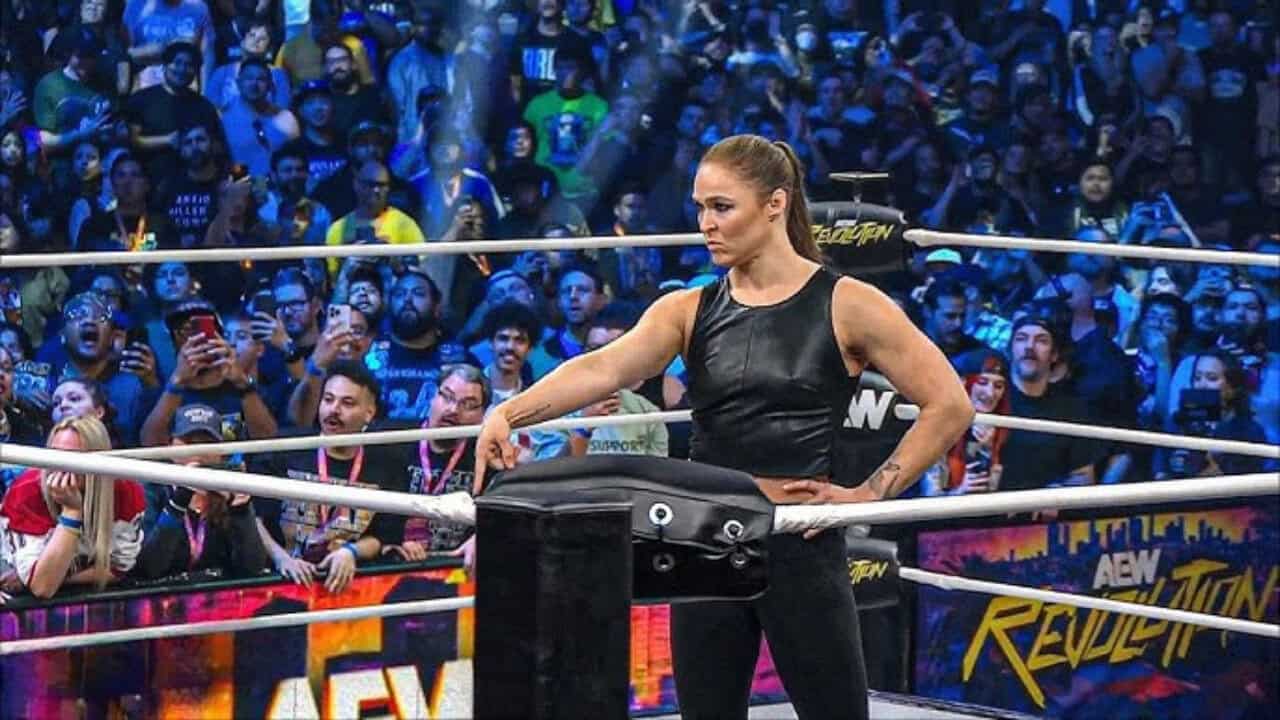
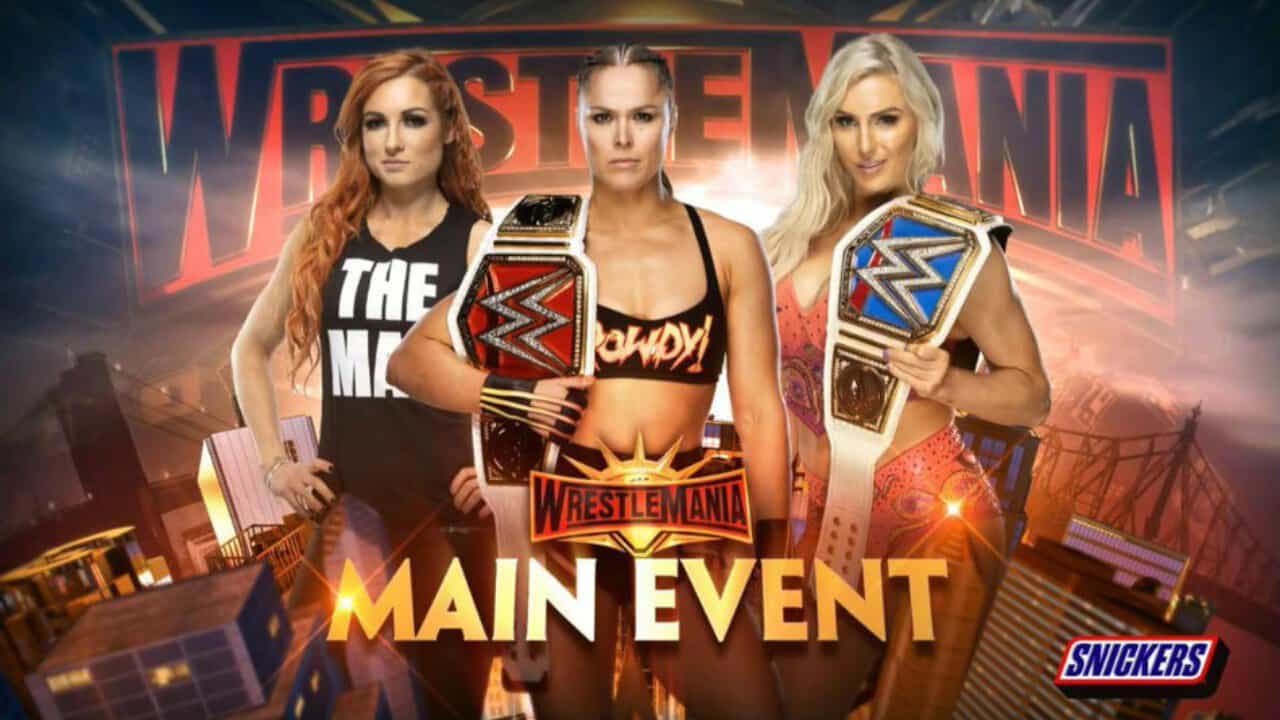
Seven years later, the closing match of WrestleMania 35 remains the single most toxic topic in the wrestling bubble. Ronda Rousey recently went on the record claiming the triple threat against Becky Lynch and Charlotte Flair felt rushed. She argued that the finish was disjointed and the timing was off. It is the classic wrestler complaint: if only we had ten more minutes, the match would have been a five-star masterpiece.
Predictably, the internet is ripping itself apart over these comments. One faction of the fandom treats Rousey like a martyr of corporate scheduling. They point to the chaotic pacing of the final sequence, where the finish involving the shoulder pin looked visibly clunky. On the other side, the vocal group of traditionalists is tired of hearing about it. They think she is just bitter about losing a spot that defined the modern era of the division.
The reality of the triple threat
Let's look at the actual math. The match ran for 21 minutes and 30 seconds. In the world of main events, that is a standard duration. Fans who argue for a longer runtime seem to forget the fatigue factor of a seven-hour show. By the time the main event hit the ring, the crowd was already drained from a marathon card. Adding time might have just led to more botches, not artistic redemption.
One Reddit user noted that the match was hindered less by time and more by the expectation it had to be a technical clinic. Looking at the footage, the transitions between the armbar attempts were definitely shaky. Rousey insisted that the coordination on the final count was off. She isn't wrong about the execution, but holding onto that grudge for this long feels like shouting at a cloud. For a deep look at the context of her exit, WrestlingNews.co has the full breakdown of her recent interview.
Why the community is split
The enthusiasts who worship at the altar of in-ring work see this as a tragedy of booking. They believe the match suffered because it was too focused on the spectacle of closing the show. They want a world where Rousey, Lynch, and Flair were given thirty minutes, no commercial breaks, and full creative control. It is a romantic vision, but it ignores the reality of how television product is actually assembled.
The skeptics, however, are having a field day. They view this as a classic case of a performer who never quite grasped the rhythm of professional wrestling. One discord regular remarked that you can't blame the clock for missing a high-spot execution. These fans are less interested in the technical minutiae and more interested in the fact that Rousey consistently treats the industry like an inconvenience she had to endure.
The final verdict on the match
My take? Stop blaming the timeframe. Wrestling matches are not defined by the length of the segment, but by the stakes and the crowd investment. The crowd was invested, the stakes were sky-high, and they made history. Was the finish messy? Absolutely. But perfection is a myth in a ring built for 80,000 people. Complaining about it in 2026 is like complaining that a movie from 2019 could have saved ten minutes of exposition.
Maybe we should focus more on the future. With AEW Double or Nothing 2026 coming up on May 24, the cycle of wrestling discourse is already shifting to new rivalries. We have actual current events to be annoyed about, rather than litigating a shoulder pin that happened when we were all seven years younger and marginally more optimistic about life.
This entire ordeal reminds me of how messy things get when a star leaves the business without closure. Rousey has the right to feel her work wasn't up to her own physical standards. It takes a certain level of discipline to handle a live environment, and clearly, some sequences didn't click. But at some point, the match becomes history, regardless of whether it hit the marks or fell flat. It's time for the community to put the 2019 tapes away and find something new to yell about.