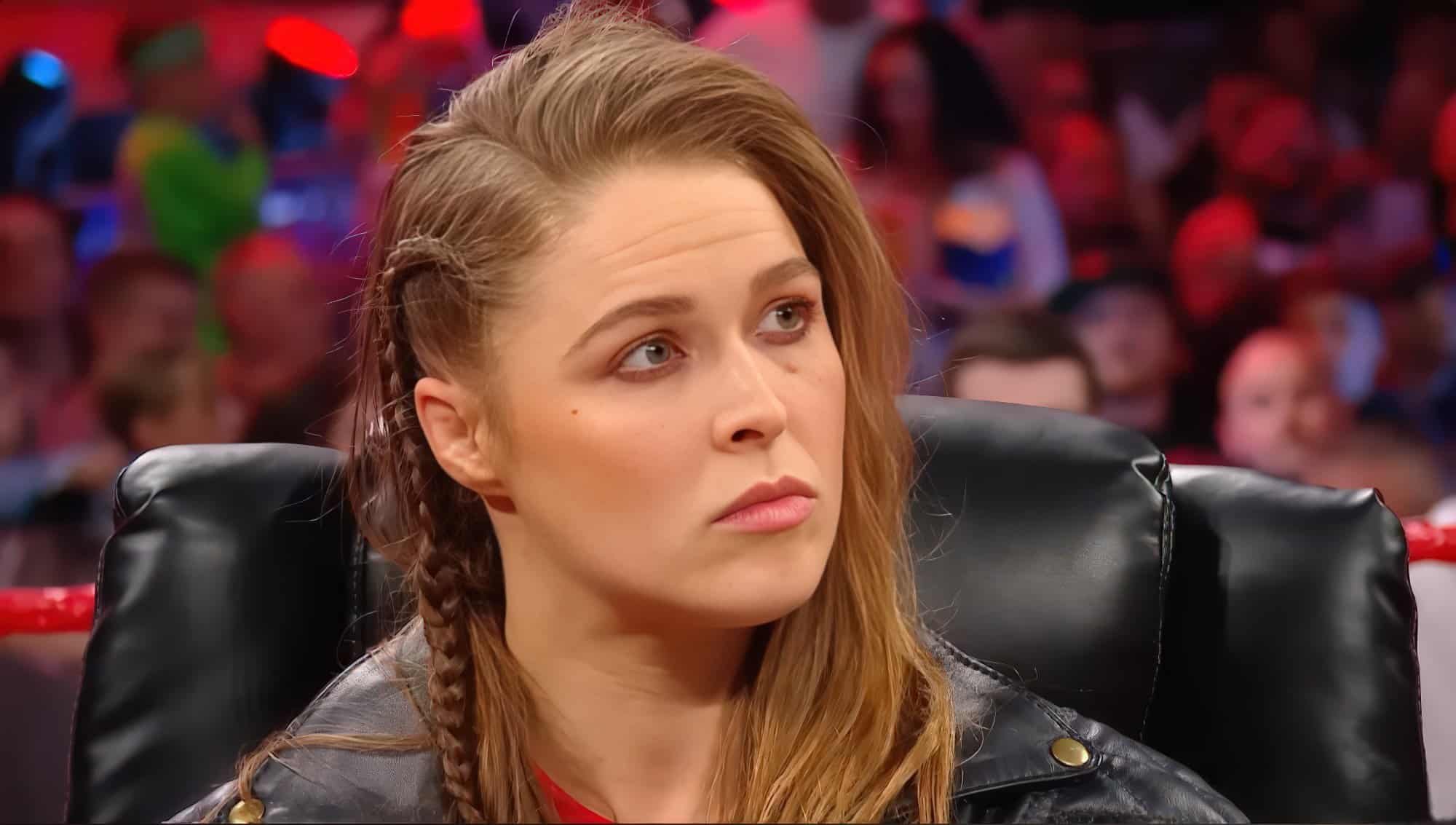
Ronda Rousey and the burnout trap of the modern wrestling calendar
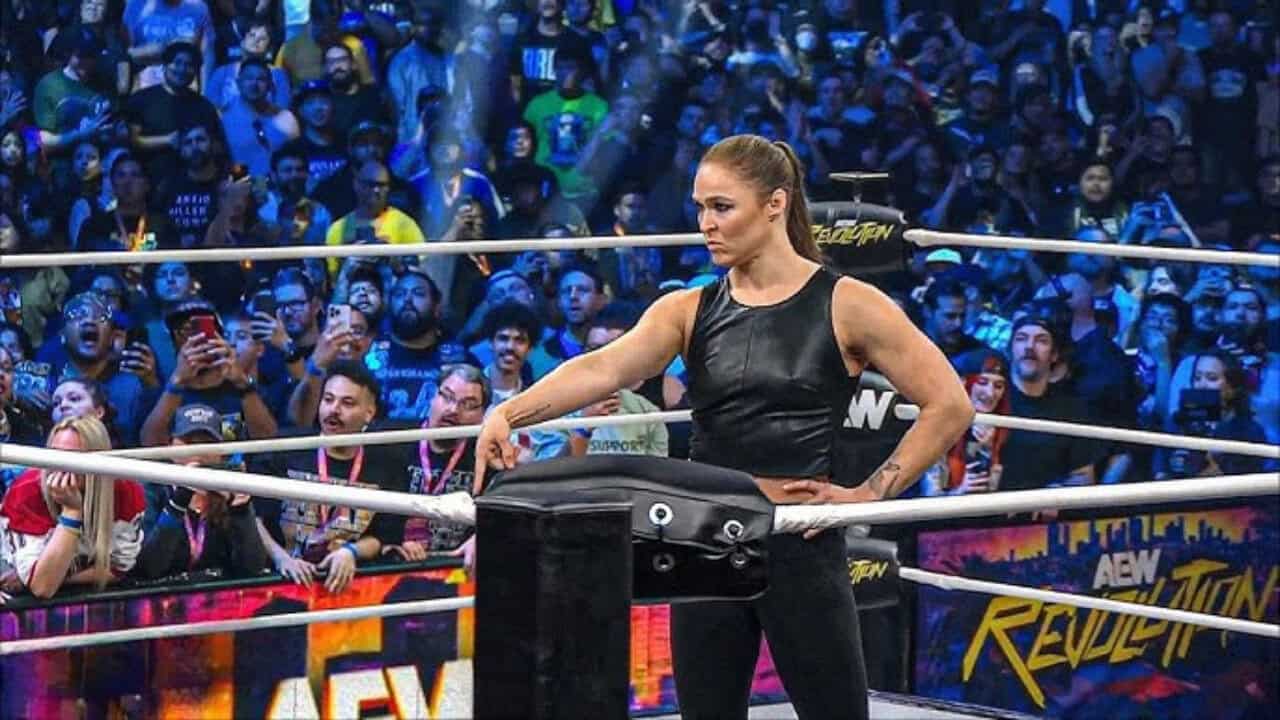
The physical toll of the full-time circuit
Ronda Rousey’s recent admission that the professional wrestling schedule is no longer doable for her provides an uncomfortable window into the realities of the business in 2026. After years of high-intensity competition, Rousey cites the travel demands and the repetitive physical strain of the road as unsustainable. This is a recurring friction point for former combat sports athletes moving into the squared circle.
We saw this conflict manifest in 2023 and 2024 through various roster complaints. The industry demands an unrelenting cadence: Friday night television, Saturday house shows, and Sunday pay-per-view events. During her tenure, Rousey worked a grueling rotation of live events, which is where the damage accumulates. There is no off-season in professional wrestling, a fact that forces mid-carders and main-eventers alike to either scale back their output or face inevitable depletion.
Tactical stagnation in the ring
From a technical standpoint, the wear and tear manifests on screen. When performers work four or five nights a week, the high-impact moves are inevitably diluted to protect longevity. We see fewer high-risk transitions and more reliance on standard rest holds. The rhythm of a match often suffers when the performer is navigating chronic inflammation in their lower back or knees, leading to slower pacing and botched timing.
Rousey’s exit from the daily grind highlights a failure in how major promotions handle asset management. Instead of building a modular roster where top stars might work specialized blocks, the industry relies on the same names appearing in every market. As reported on the exhaustion of the road schedule, the math is simple: burnout is not an anomaly, it is an output of the existing system.
The myth of the iron man performer
The sentiment that a wrestler must be present at every taping to remain relevant is a antiquated metric of value. Throughout the last decade, we have watched wrestlers force appearances through injury, often to the detriment of match quality. For instance, performers working through knee injuries often lose their leverage in the base of a suplex, slowing the kinetic chain and turning a seamless spot into a scramble.
The modern audience is statistically smarter about what they are watching. They identify when a performer is moving at 70 percent capacity. When a house show appearance results in a disjointed main event, even the most devoted fan base stops paying for the premium seats. The industry is currently flirting with low-intensity output simply to keep the tour bus moving, which creates a negative feedback loop for ticket sales.
Strategic pivots for the future
If the 2026 landscape is any indication, the business needs a drastic shift in performance scheduling. Rather than demanding a 52-week commitment, promotions should consider more fluid roster management. Allowing veteran talent to cycle out for two months at a time would preserve their physical integrity and keep their on-screen presence from losing its luster.
Critics will argue that this dilutes the star power of the product. Yet, look at the alternative: the rapid retirement of legitimate athletic talent before they even hit their prime. When high-profile names reach a point of exhaustion like Rousey, the loss is felt in the quarterly ratings. It is far more profitable to have a healthy star working 80 high-energy matches per year than a broken one struggling through 200 listless ones.
Ultimately, the industry must decide if it prizes the volume of shows over the quality of the product. The current model feeds on the bodies of the performers, and eventually, the supply of available headliners hits a wall. Whether or not promotions adopt a less demanding calendar will define the longevity of the current generation of talent.
WWE Men's Roman Reigns Bloodline Acknowledge Me T-Shirt
Acknowledge your Tribal Chief in style.
Frequently Asked Questions
Why did Ronda Rousey leave the full-time wrestling circuit?
How does the full-time wrestling schedule affect match quality?
What is the primary cause of burnout in professional wrestling?
How does wrestling with injuries impact performance?
What solution is proposed for athlete burnout in wrestling?
More Coverage

Paige, leaks, and why the surprise return is dying a slow death
2 hours ago
AJ Styles is right to be skeptical about a WWE Japan expansion
2 hours ago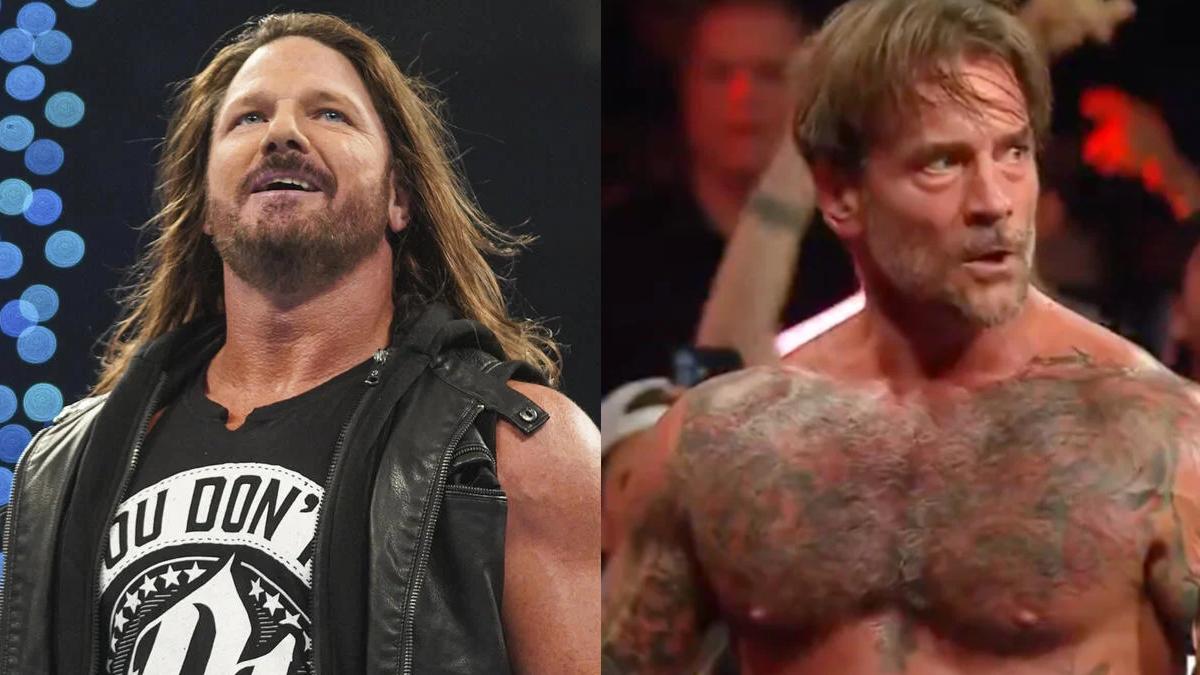
AJ Styles and CM Punk share a moment amidst the WWE main event scene
2 hours ago
The garden was buzzing but the crossover segments left fans divided
2 hours ago
AJ Styles is walking back his stance on the Japan acquisition rumors
2 hours ago
CM Punk's new look has the wrestling world spiraling
2 hours agoMore Analysis
Ronda Rousey injury status and the reality of her wrestling output
2 months ago
Ronda Rousey, WWE house shows, and the state of AEW tag teams
1 month, 4 weeks ago
The real cost of WWE’s global tour schedule
1 month, 3 weeks ago
WWE is betting on a tag team revival and more house show dates
1 month, 4 weeks ago
AEW is burning through its roster and the cost is starting to show
4 days, 20 hours ago