Ronda Rousey's 'F**k You' to TKO: More Bark Than Bite?
The Calculated Defiance at AEW Revolution
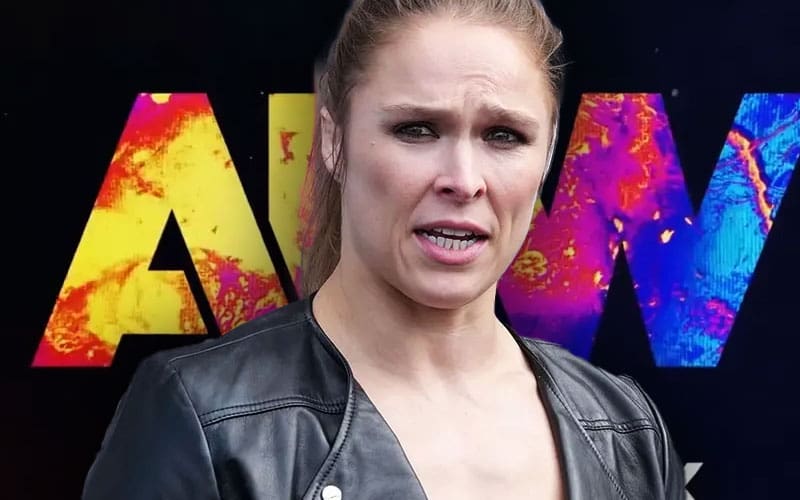
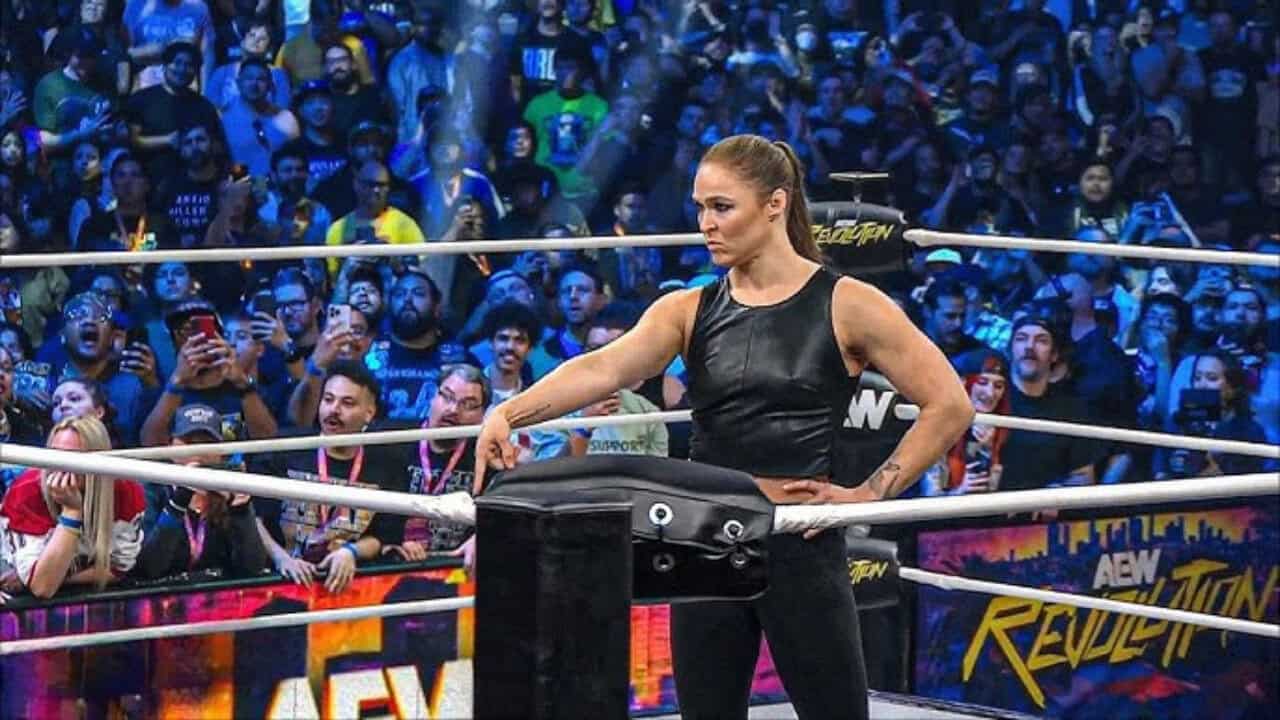
Ronda Rousey's recent appearance in a pre-taped segment at AEW Revolution, followed by her candid admission that it was “a little bit of a **f**k you**” to TKO, immediately ignited debate across the professional wrestling landscape. This wasn't a sudden, unannounced pop at a live show, but a carefully orchestrated moment, designed to send a specific message. Her target, **TKO Group Holdings**, the corporate entity behind WWE, suggests a deliberate, personal broadside rather than a simple career pivot.
The former UFC Bantamweight Champion has never been one to shy away from controversial statements or actions. Her foray into professional wrestling was marked by an initial meteoric rise, followed by a more complicated tenure that saw her oscillate between fan favorite and polarizing figure. This latest move, however, feels less about professional ambition and more about a deeply rooted grievance against a system she clearly felt stifled by.
Rousey clarified that her ire was directed squarely at TKO, explicitly stating she held no ill will towards WWE itself. This distinction is essential. It positions her action not as a defection to a rival promotion out of spite for her former employer, but as a rebuke of the corporate ownership she felt constrained by. The question then becomes: how effective is such a statement, and what does it truly achieve in the grand scheme of the wrestling business beyond a momentary ripple?
“It was a little bit of a f**k you.”
— Ronda Rousey on her AEW Revolution appearance, referencing TKO Group Holdings.
The Illusion of Independence and the Promotional Playbook
Central to Rousey's explanation for her AEW involvement was a desire to avoid working for an owner again, coupled with the opportunity to "hang out with my friends," specifically Marina Shafir. While the sentiment of creative freedom and camaraderie is relatable, the execution reveals a more complex reality. Her actual in-ring debut for AEW was a tag match on Rampage alongside Shafir, facing Kris Statlander and Willow Nightingale, a standard television bout rather than a grand statement.
This arrangement, a pre-taped segment at a major pay-per-view followed by a standard television match, hardly screams revolutionary independence. It reads more like a calculated guest spot, designed to generate short-term buzz rather than signal a long-term commitment to a new path. For someone professing a desire to escape corporate ownership, the optics of negotiating an appearance with another major wrestling promotion, albeit a rival, present a subtle irony that cannot be overlooked.
It is difficult to ignore the timing of this public statement, coinciding with the release of her book, "Our Fight." An appearance on a nationally televised wrestling program, followed by a provocative soundbite, serves as potent, low-cost marketing for an author looking to promote her narrative of struggle and triumph. This isn't to diminish her personal feelings towards TKO, but rather to acknowledge the multi-faceted utility of such a high-profile, semi-surprise moment.
Her WWE tenure, particularly her second run, was often characterized by a perceived lack of genuine connection with the audience and storylines that struggled to resonate. Fans frequently criticized her promo work and occasional awkwardness in character portrayal, which contributed to a noticeable drop in her popularity. This period arguably softened her once-impenetrable aura, making a return to a full-time, demanding schedule under similar corporate structures less appealing, both for her and for a significant portion of the audience who had grown weary of her uneven performances.
The dream of full creative autonomy in professional wrestling, particularly for a star of Rousey's caliber, often collides with the realities of television contracts and corporate structures. Even in a company like AEW, which boasts a more talent-friendly reputation than WWE, creative control is rarely absolute. Her chosen path seems to skirt the edges of full commitment, allowing her to make a statement without truly diving back into the grind of weekly television while still commanding attention.
AEW's Familiar Play: Leveraging Established Names
For All Elite Wrestling, the Rousey appearance fits a well-worn pattern: bringing in established names from outside the company to generate a momentary surge in interest. This strategy has yielded mixed results over the years, with some former WWE talents finding new life and others failing to fully connect with the AEW audience. While a brief appearance from a global star like Rousey undoubtedly garners headlines and social media engagement, the question of long-term impact on the overall product remains consistently pertinent.
Did the Revolution segment, featuring Rousey backstage with Shafir, move the ratings needle significantly for the pay-per-view broadcast or its subsequent replays? Industry analysis suggests such brief, non-wrestling appearances by external talent rarely translate into substantial, sustained viewership growth. These fleeting guest spots, while exciting in the moment, rarely translate into sustained viewership growth unless followed by a meaningful, consistent creative direction that genuinely integrates the new talent into the fabric of the show over weeks and months.
AEW's own women's division boasts a roster of talented performers, many of whom have honed their craft within the company and established deep connections with the fanbase. Toni Storm, Julia Hart, and 'Timeless' Toni Storm have all carried compelling narratives and delivered strong in-ring performances. Injecting a high-profile, part-time figure like Rousey, even for a short stint, risks overshadowing existing talent or disrupting ongoing storylines without a clear, substantial payoff for the product as a whole. This can breed frustration amongst the committed roster and dedicated fanbase.
There is a fine line between a strategic cameo that adds legitimate gravitas and a stunt that feels opportunistic, temporarily boosting perception but offering little substance. While Rousey's presence undeniably created buzz, the segment itself was overshadowed by other pivotal moments at Revolution, such as title changes and unexpected returns. The lack of a direct, in-ring confrontation for Rousey at the pay-per-view itself, instead relegated to a backstage role, somewhat diluted the potential impact of her supposed declaration of war, making it less of an immediate threat.
**TKO Group Holdings**' Calculated Indifference
One must consider the perspective of **TKO Group Holdings**. Would a pre-taped segment featuring a former WWE star appearing on a rival promotion's pay-per-view truly register as a significant threat or even a minor annoyance? The colossal scale of **TKO Group Holdings**' global operations, encompassing the dominant forces of WWE and UFC, alongside a vast media empire, tends to render such gestures largely inconsequential. They operate on a different plane of competition entirely, largely untouched by such individual statements.
Rousey's stock within WWE had arguably peaked during her initial run, particularly her WrestleMania 35 main event against Becky Lynch and Charlotte Flair. By her second run, the consistent main event push often felt forced, and audience reactions were decidedly mixed, with vocal segments of the fanbase expressing disinterest. Her eventual departure, while notable from a star power perspective, did not leave a gaping void in the main event picture, nor did it significantly impact WWE's immediate commercial performance or creative direction. This context makes any "f**k you" feel less like a direct hit and more like a glancing blow for a company of TKO's magnitude.
In the high-stakes world of sports entertainment and combat sports, corporate behemoths like TKO are driven by market share, revenue reports, global media rights, and brand dominance. A brief appearance from a former talent in a secondary promotion is unlikely to disrupt their trajectory or elicit a strong strategic response. Their focus remains steadfast on their expansive calendar of premium live events, lucrative television deals, international expansion, and the constant development of new intellectual property. The occasional headline generated by a former star's move is merely background noise that quickly fades.
The power dynamic here is clear. While Rousey's statement carries emotional weight for her, its practical effect on TKO is minimal, akin to a mosquito biting an elephant. It's the equivalent of a chess player making a bold, declarative move on a different board altogether, expecting it to impact the main match. The main match, for TKO, continues undisturbed, with their pieces strategically placed and their long-term vision firmly in view, largely unaffected by such external skirmishes.
A "F**k You" Without Fangs: The Critical Observation
The most critical observation regarding Rousey's theatrical defiance lies in its inherent lack of genuine threat. For a statement intended as a powerful, rebellious gesture, its execution was notably toothless. A pre-taped segment, devoid of any live interaction or direct confrontation, strips away much of the visceral impact typically associated with such declarations in professional wrestling, where live, unscripted moments often define legendary rivalries and pivotal turns.
Had Rousey made an unannounced, live appearance, interfering in a critical match or cutting a scathing promo directly into the camera, the message would have resonated with far greater force and immediacy. Instead, it felt like a grievance aired through a proxy, a complaint lodged from a safe distance, a pre-recorded monologue rather than a live mic drop. The impact was blunted by the medium and the timing, diminishing its potency as an act of rebellion and reducing its perceived danger to the target.
Furthermore, while her stated intention was to support Marina Shafir and escape ownership, the primary narrative emerging from her appearance was solely about Ronda Rousey and her personal feelings towards TKO. This risks turning a potential opportunity to genuinely elevate her friend into a platform for personal score-settling, leaving Shafir as merely a footnote in a larger, more self-focused story. The benefit to AEW's long-term product feels secondary to the immediate splash for Rousey herself and her autobiography's promotional cycle.
Ultimately, this act of defiance reads as more performative than genuinely revolutionary. It provided Rousey with a platform to articulate her frustrations and promote her recent autobiography, while offering AEW a momentary, if fleeting, burst of external attention. But as a genuine challenge to the wrestling industry's established order, or even a meaningful hit to **TKO Group Holdings**, it lands with less force than her signature armbar, proving more of a personal catharsis than a strategic blow.
Echoes, Not Earthquakes, in the Wrestling Landscape
Ronda Rousey's AEW Revolution appearance and subsequent pronouncements serve as a fitting, if somewhat anticlimactic, coda to her tumultuous professional wrestling career. It is a final, emphatic statement from an athlete who has always marched to the beat of her own drum, even when that rhythm was out of sync with mainstream expectations and fan desires.
Her "f**k you" to TKO, while emotionally resonant for her, is unlikely to send seismic waves through the industry. **TKO Group Holdings**, with its vast resources and dominant position, will likely absorb the gesture without a flicker of concern. AEW gains a temporary news cycle and a brief influx of social media chatter, but the sustained impact on its product or viewership is questionable without further, more substantial commitment.
In the end, Rousey gets to air her grievances on a rival platform, cementing her narrative of an independent spirit chafing against corporate control. But in the wrestling world, where narratives are often crafted and perceived impact is everything, this particular act of rebellion feels more like an echo of past frustrations than a harbinger of future change. The reverberations are personal and contained, rather than a broad industry shake-up.
Becky Lynch: The Man: Not Your Average Average Girl by Rebecca Quin
A raw, inspiring, and brutally honest look behind the rise of 'The Man'.
More Coverage

Drew McIntyre sidelined following brutal SmackDown encounter
3 hours agoWWE's New York gamble is a calculated risk ahead of WrestleMania 42
3 hours ago
WWE's Saturday Night's Main Event math doesn't add up
3 hours agoWWE's return to New York changes the math on stadium attendance
3 hours ago
Top 10: Top Moments from MSG
4 hours ago
SmackDown is drifting into mid-summer malaise
4 hours agoMore Analysis
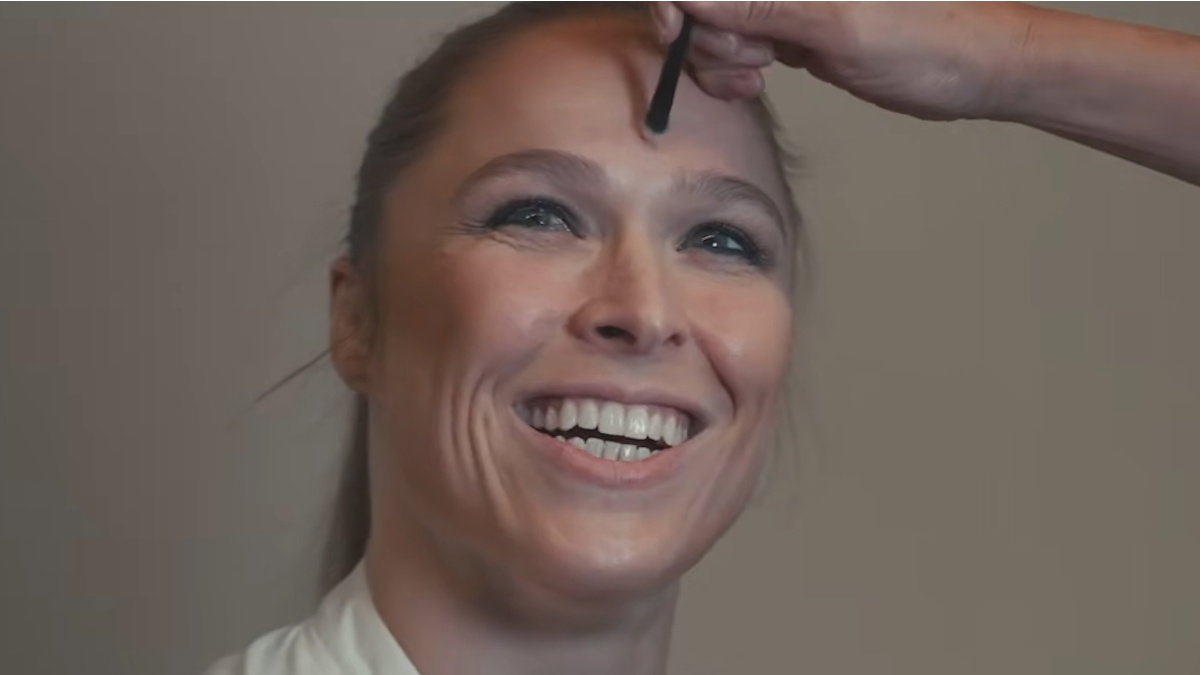
Ronda Rousey's AEW arrival is a calculated middle finger to TKO
3 months, 3 weeks ago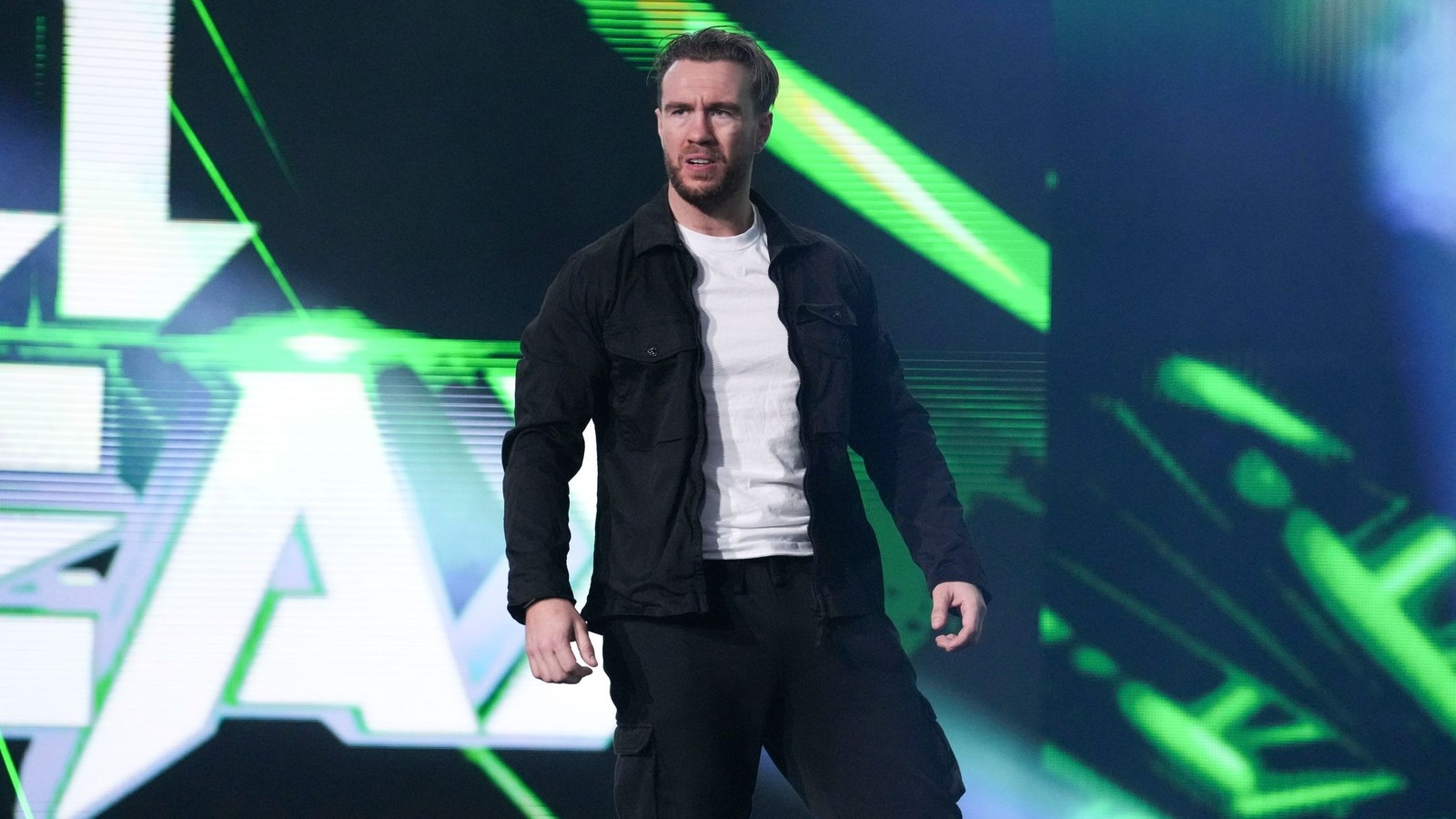
Ronda Rousey's AEW cameo was a shot at TKO, but don't expect her back
3 months, 3 weeks ago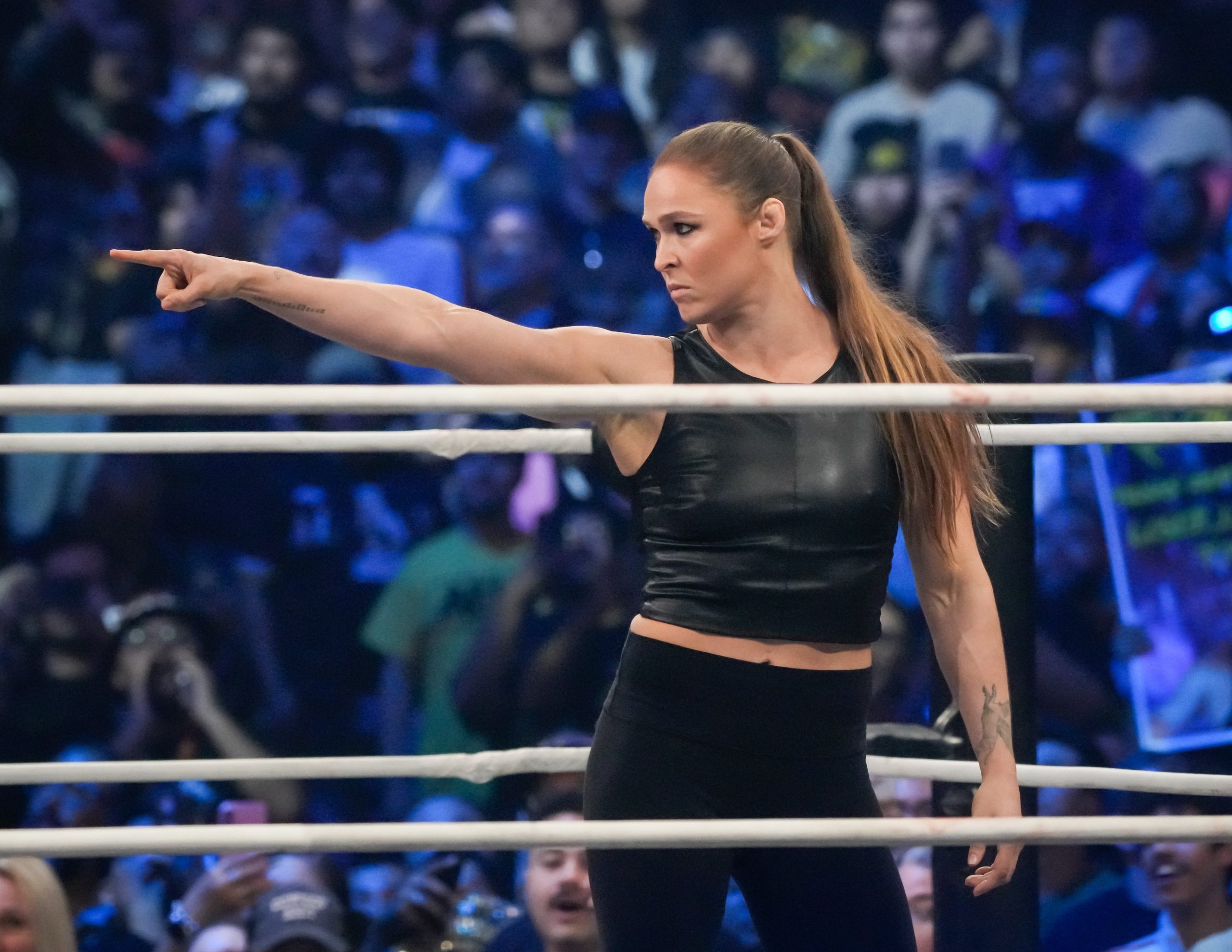
Ronda Rousey burned the TKO bridge for exactly one night in AEW
3 months, 3 weeks ago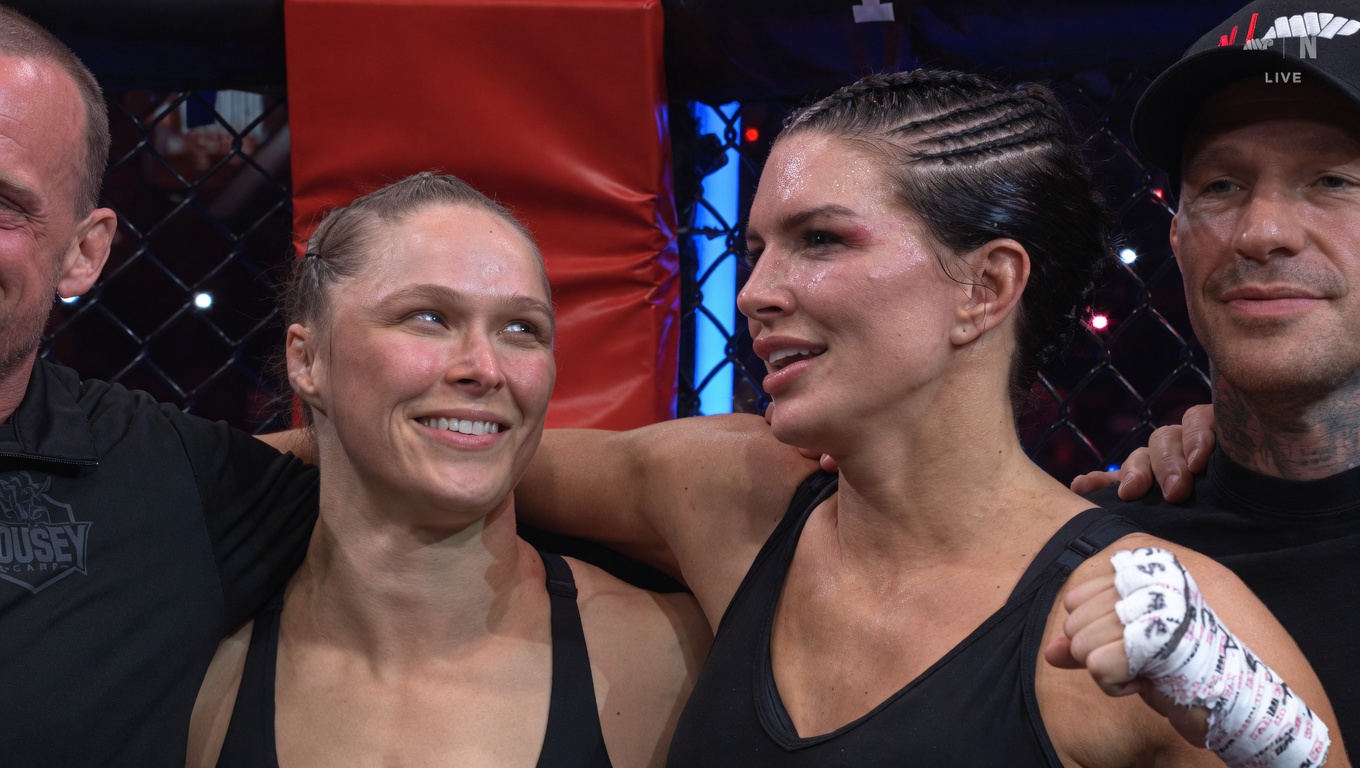
Ronda Rousey is plotting an AEW return following her Netflix cage spectacle
1 month, 4 weeks ago
Ronda Rousey back in the mix and the internet is losing its mind
1 month, 2 weeks ago