
Big E deserved better than WWE's aimless mid-card booking
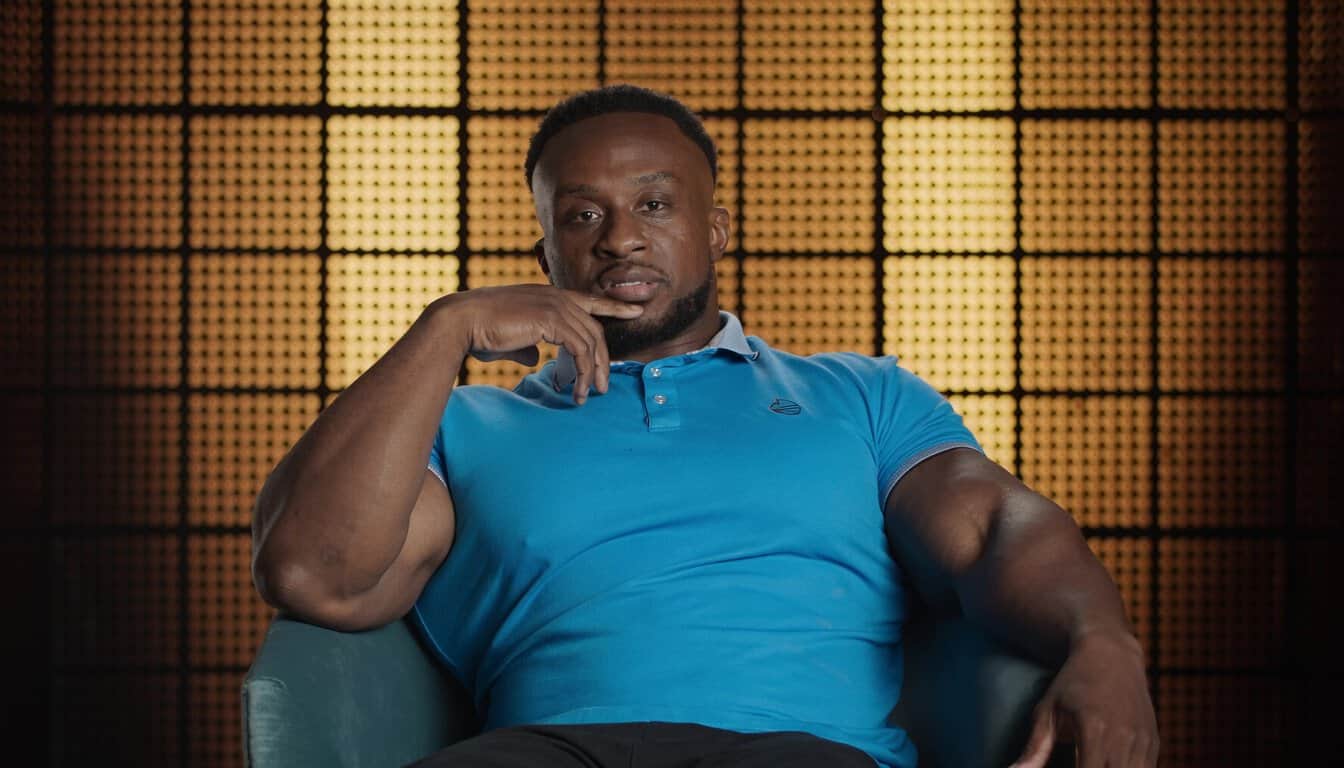
The hollow reality of a championship transition
The transition from marquee event headliner to an afterthought is a familiar trajectory in professional wrestling. Big E’s recent comments regarding his 2021 WWE Championship reign offer a rare, unvarnished look at how booking decisions actively erode talent value. He noted that the run was not what he wanted, specifically citing the post-title booking as a demoralizing experience.
When a talent wins the top belt, the expectation is a sustained elevation. Instead, Big E found himself drifting back into the mid-card churn almost immediately after dropping the strap to Brock Lesnar at Day 1 in January 2022. This process turns a performer who proved he could main event arenas into a placeholder for newer programs.
The cost of disjointed creative direction
Watching the New Day leader navigate the fallout, it became clear that creative writers lacked a long-term vision. Once the title was gone, the character work suffered from a total lack of momentum. Writers failed to weave his high-profile loss into a compelling arc, opting instead for a return to status quo programming that lacked genuine stakes.
This is the same disconnect described by Big E during his recent discussion on his career trajectory. When the top-level equity is strip-mined without a plan to refill it, the performer effectively loses their connection to the main event scene. Fans can sense when a wrestler has been de-prioritized. The result is a cold audience response that inevitably lands on the wrestler, despite the blame lying with the booking office.
Data points on the decline
Compare this to other modern championship runs. When talent is managed through a coherent transition, their floor remains elevated. Big E’s case represents the high-water mark for mid-carders who are elevated to the top of the card but never fully solidified by the writing staff. He spent just over 100 days as champion, but his post-title engagement scores dropped off significantly within the first month.
The creative team essentially pressed a reset button that didn't need pressing. Rather than utilize his charisma in a secondary high-stakes program, the scripts drifted into repetitive tag team bouts. Wrestling is built on the momentum of the performers, and once that is stuttered by poor weekly storytelling, it is notoriously difficult to regain.
The missed opportunity for a long-term legacy
Big E possessed a unique balance of physical presence and microphone work that allowed him to connect with diverse demographics. By failing to capitalize on the momentum of his reign, WWE denied itself a long-term stalwart of the main event. It is a cautionary tale of prioritizing immediate, flashy segments over the steady building of a lasting star.
Good wrestling is not just about the belt. It is about how the wrestler is treated when the belt is not physically around their waist. If the booking team treats a former champion like a regular roster member the day after they lose, they are signaling to the audience that the title was merely a prop. The audience is not stupid; they recognize when a performer has been shuffled to the side for arbitrary reasons.
Big E’s frustration is grounded in the reality of his output. He gave everything he had to the 2021 run, and the lack of a structured follow-through was a clear error in judgment by production management. At this stage of the business, top stars require a protective layer of consistent storytelling that keeps them relevant regardless of the match outcome.
Without that protection, even the most charismatic performers end up feeling like they are spinning wheels in place. The industry moves fast, as shown by how quickly perceivable value shifts when a wrestler's booking stops making sense. It is time for top-level creative to stop treating former world champions like disposable labor.
AEW Dynasty 2026 Wembley Event T-Shirt
Commemorate the historic AEW London event with this official event tee.
Frequently Asked Questions
Why did Big E find his post-title WWE run demoralizing?
When did Big E lose the WWE Championship?
How did WWE creative fail to utilize Big E after his title reign?
What is the consequence of poor creative booking for top-tier wrestlers?
What does Big E's career trajectory illustrate about WWE booking?
More Coverage
Is Oba Femi the next face of WWE or just a Triple H obsession?
2 hours ago
Cody Rhodes and the weight of the generational torch
3 hours ago
Shane McMahon's body is paying the price for his daredevil legacy
3 hours ago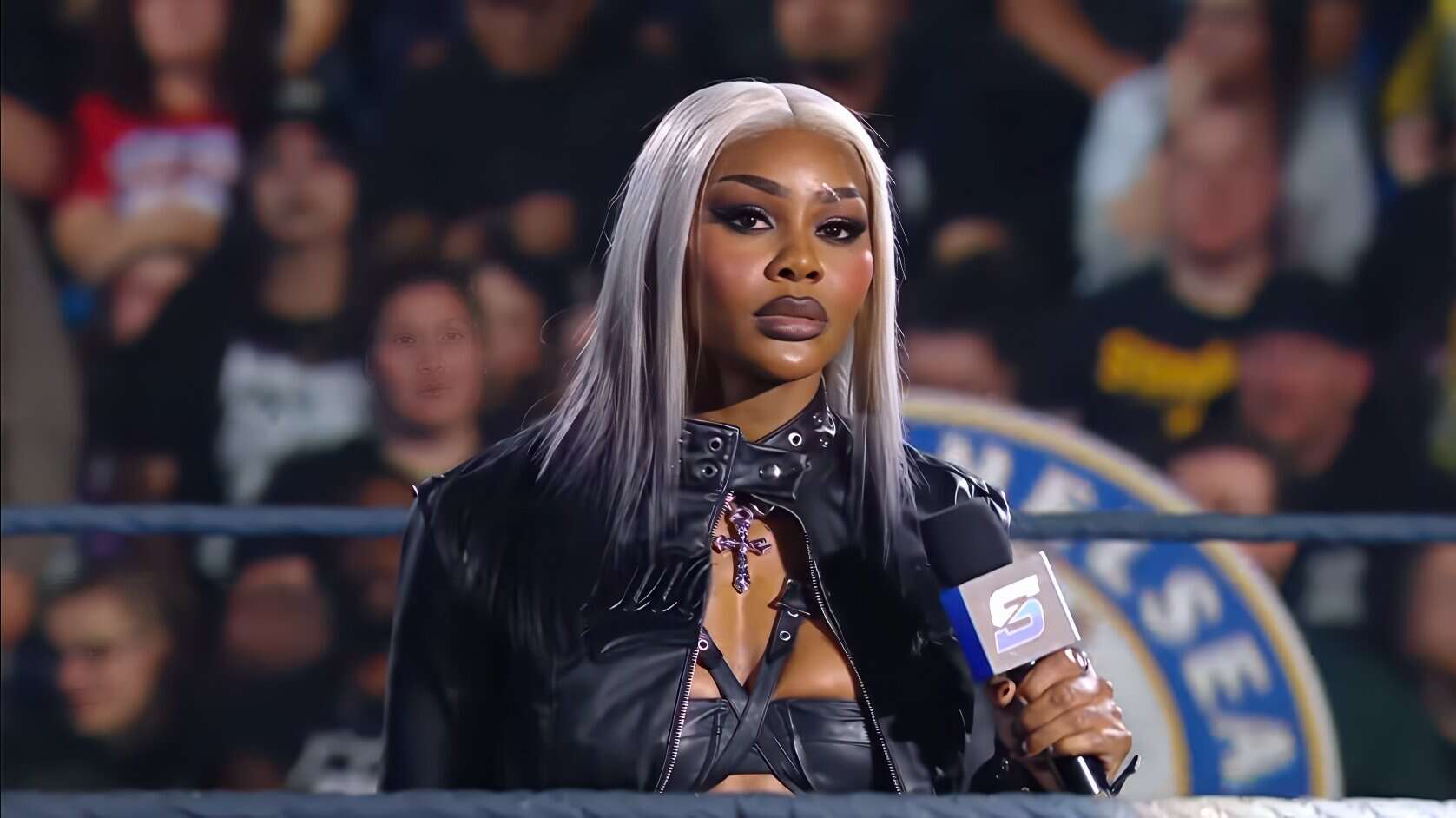
Jade Cargill proved she is a pro’s pro after the wig malfunction
5 hours ago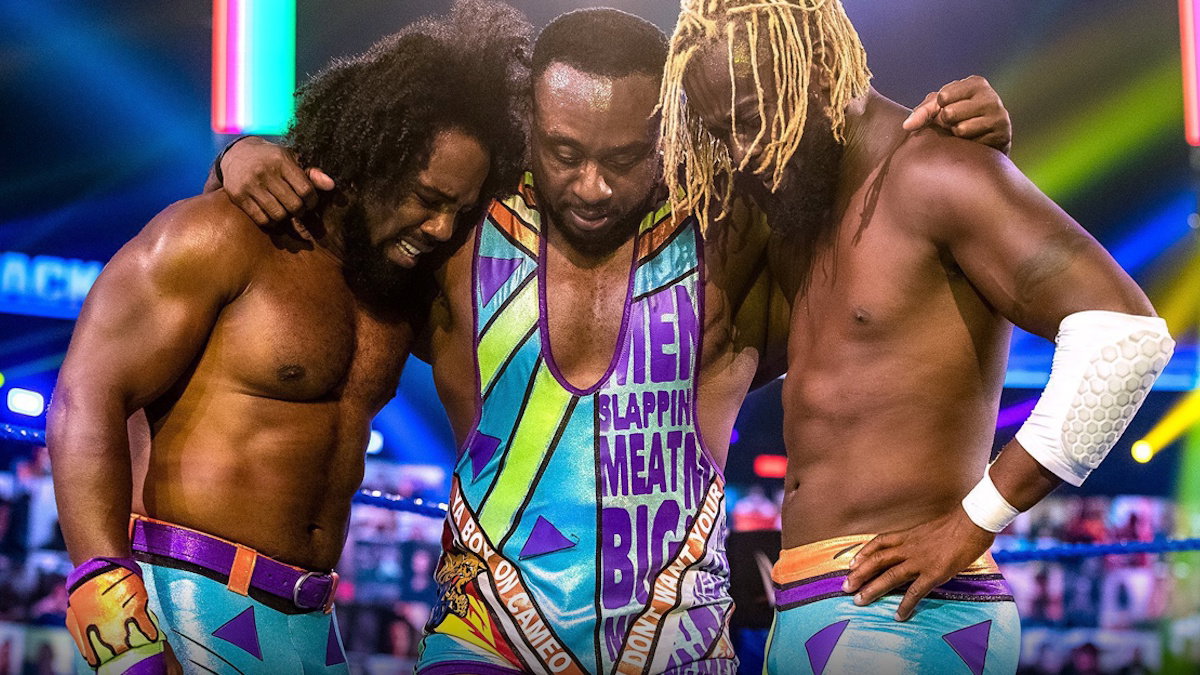
New Day leaving WWE is a massive strategic blunder
5 hours ago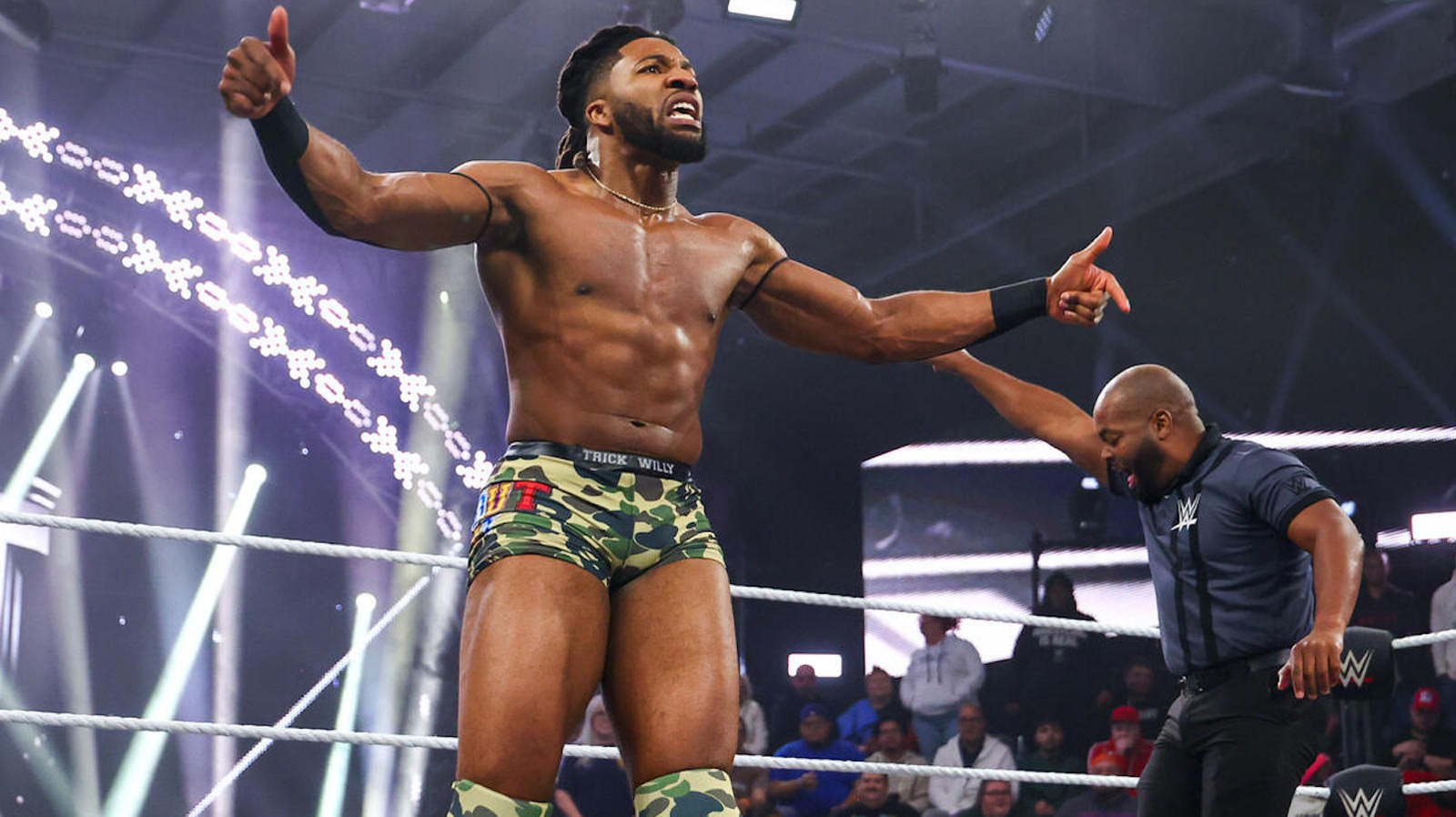
Top 10: WWE’s Current Power Rankings
5 hours agoMore Analysis
Is Oba Femi the next face of WWE or just a Triple H obsession?
2 hours ago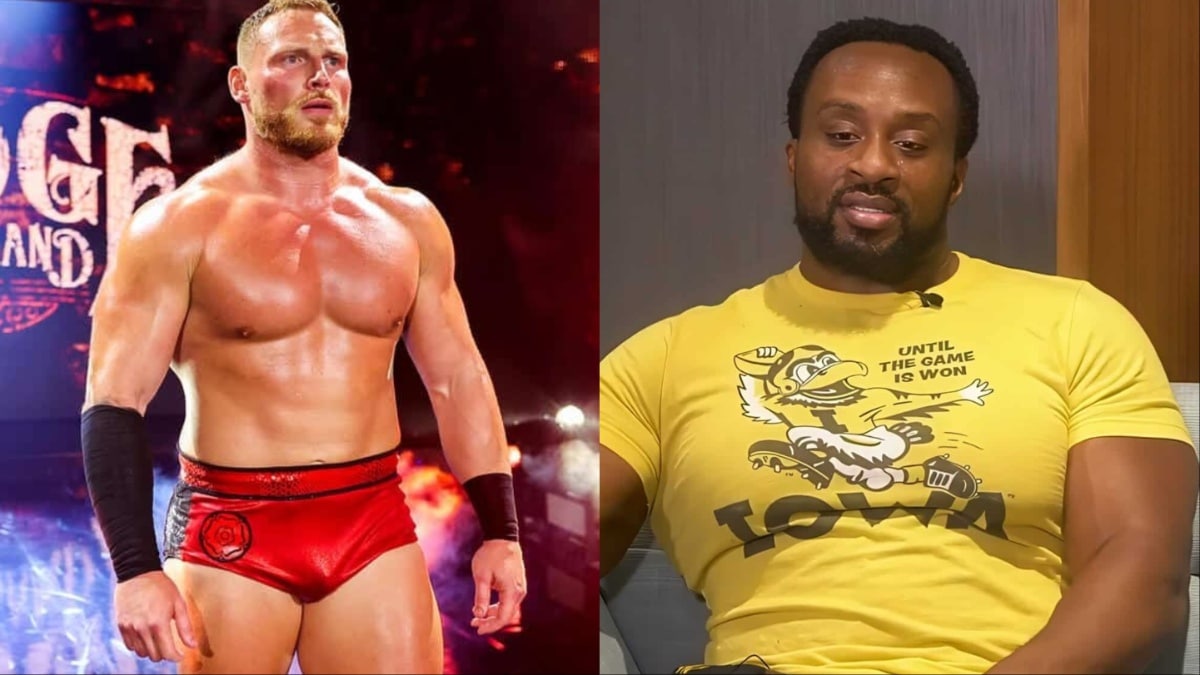
Ridge Holland's future in focus following WWE main roster uncertainty
2 hours ago
Cody Rhodes and the weight of the generational torch
3 hours ago
Shane McMahon's body is paying the price for his daredevil legacy
3 hours ago
AEW Collision is fighting a losing battle with the calendar
3 hours ago