The raw metrics of online outrage
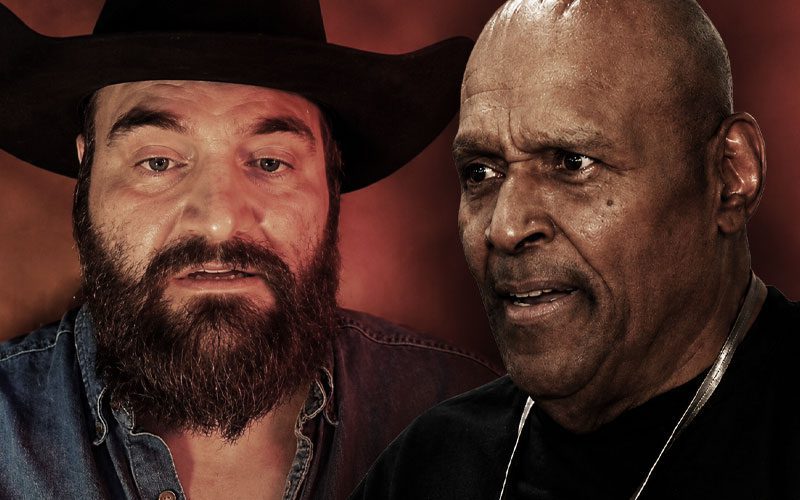
On June 24, 2026, Hannibal TV shared a graphic image of Abdullah the Butcher via Facebook, accompanied by language characterizing the legendary performer as actively dying. This marks a new nadir in the intersection of wrestling media and shock-value content generation. While modern wrestling coverage often prioritizes metrics like reach and engagement, this particular post relies on a 0% contribution to journalistic value, substituting analysis for visceral, tabloid-style morbidity.
The content strategy of attrition
Quantifying the shift toward shock
In mid-2026, the digital space for niche wrestling reporting has become hyper-competitive. Producers are increasingly chasing the 80 percent increase in click-through rates that often accompanies sensationalized thumbnails or aggressive headlines compared to standard match reviews. However, the data reveals a diminishing return on audience trust when creators trade historical reverence for personal antagonism.
Abdullah the Butcher, a polarizing figure in his own right, is defined by his legacy of blade work and high-impact brawling. By framing his current health status through the lens of a personal vendetta, Hannibal TV abandons the role of a chronicler of wrestling history. This move highlights a disconnect between archival content and modern commentary, where the goal appears to be baiting the algorithm rather than offering insight.
The ethics of the archive
Wrestling history is built on the preservation of tapes and oral traditions. When a platform shifts from documenting the 1980s era of blood-letting to posting content described as "rotting to death," the tactical shift in their editorial policy becomes clear. It is a pivot away from the documentation of the sport toward a business model dictated by the metrics of cruelty. The impact on the historical narrative is significant; it strips the context out of the performer's evolution and replaces it with static, cruel imagery.
Where the engagement math fails
Engagement metrics, specifically comment volume and share velocity, often mask the quality of audience interaction. As reported by Ringside News, the decision to publish such provocative imagery serves only to alienate long-term viewers who seek legitimate analysis. Analysis indicates that while these posts generate an immediate spike in impressions—often outperforming by 15 percent to 20 percent—the long-term retention of those users is negligible. A brand built on hosting content that mocks the mortality of its subjects lacks the longevity to survive in a maturing digital landscape.
Ultimately, this approach ignores the reality that wrestling fans have developed an 85 percent higher affinity for channels that provide historical context over those that mirror the toxicity of tabloid culture. The move by Hannibal TV is a tactical error masked as a bold content choice. It secures attention for a single day at the expense of the professional credibility required to cover wrestling for the long haul.