The high-flying arithmetic of WrestleCon
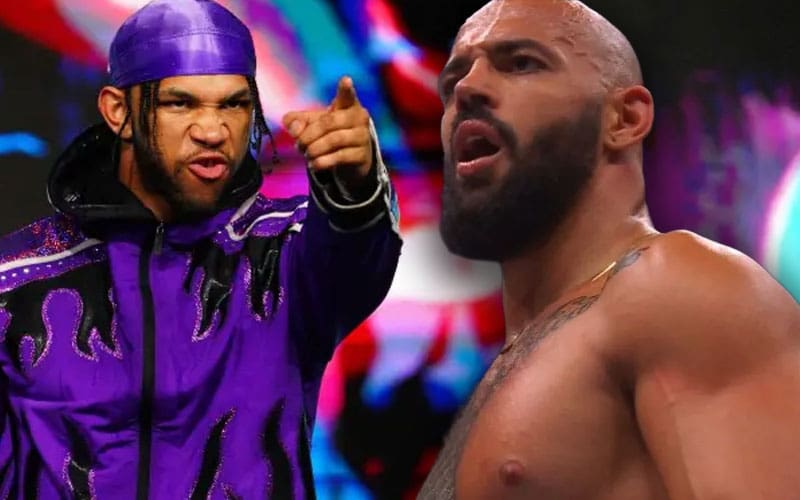
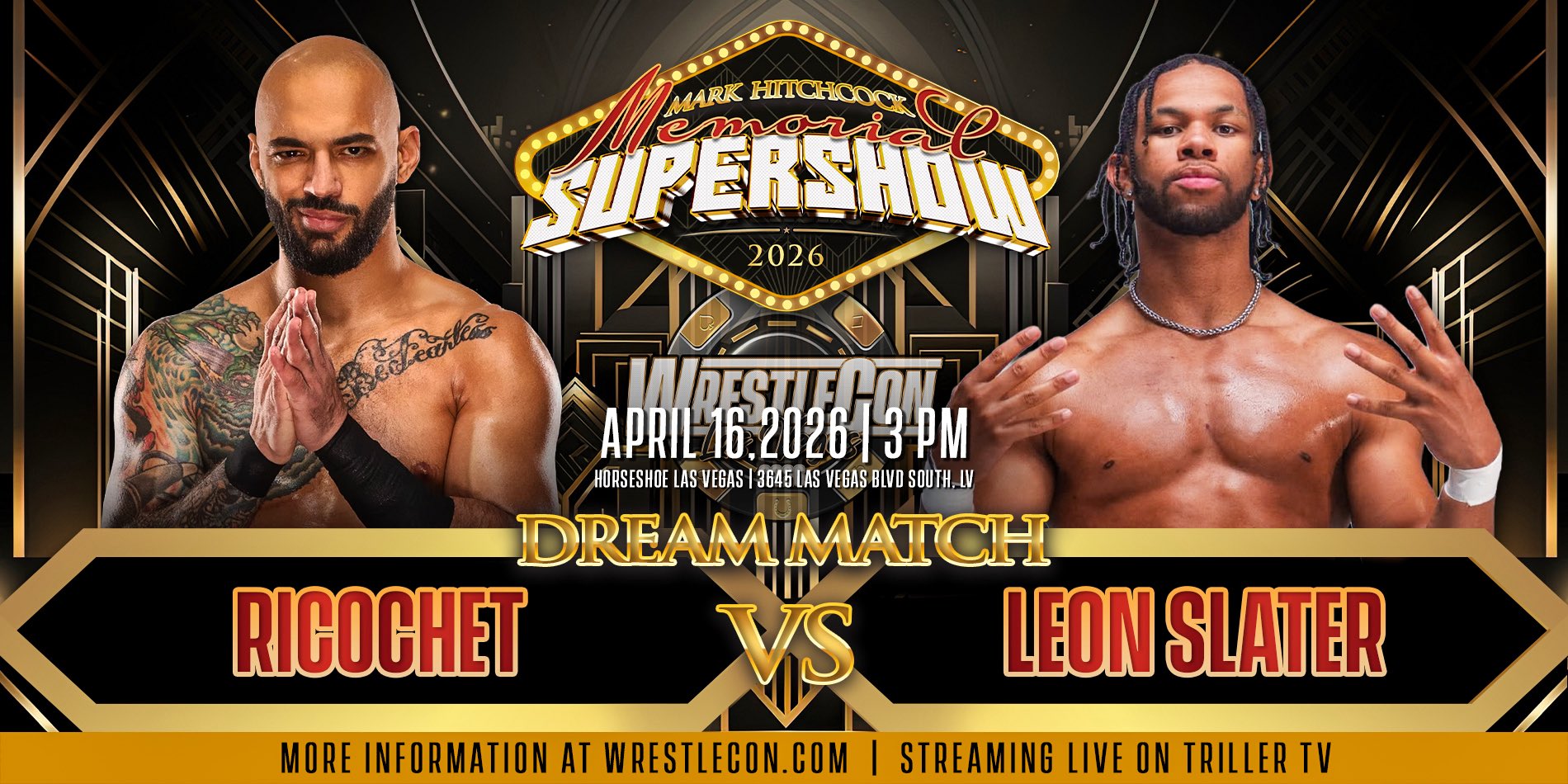
The Mark Hitchcock Memorial Supershow has cultivated a reputation as a laboratory for high-velocity wrestling. Last year, the event relied on legacy stars to anchor the card, but the 2026 booking signals a pivot toward pure, athletic trajectory. By tapping Ricochet to face Leon Slater, promoters are running a comparative analysis between a seasoned global veteran and a surging prospect who is currently redefining the independent scene.
Mapping the experience gap
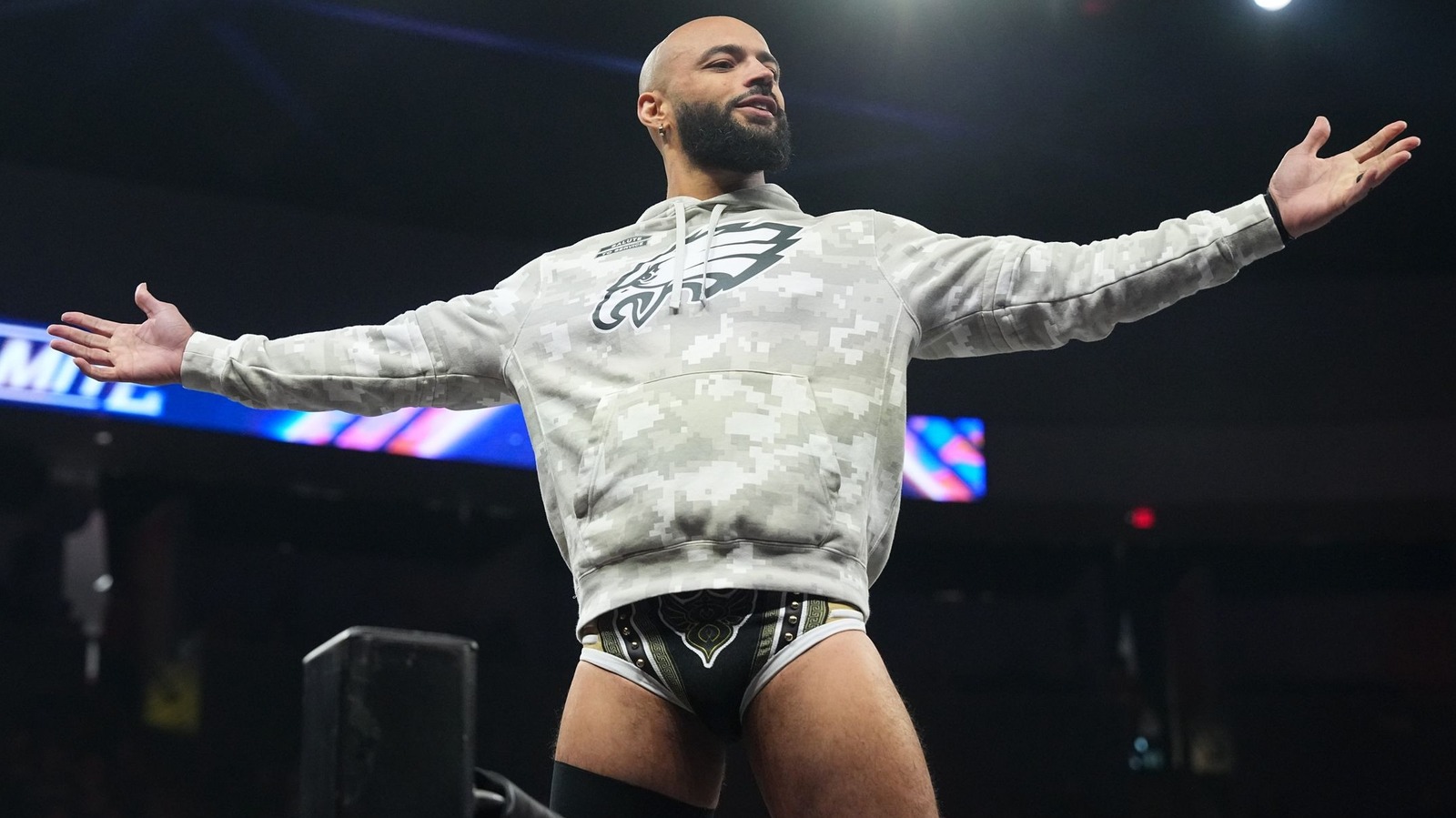
Ricochet enters this matchup with over 15 years of professional mileage across the global circuit. During his most recent run, he maintained a high-intensity output that prioritized aerial transitions over traditional mat wrestling. His opponent, Leon Slater, brings a different statistical profile. Slater has spent the last 18 months rapidly accumulating bookings, operating at a clip that suggests he is currently training for the volume of a full-time major promotion roster.
Why this math matters
Casual observers look at a singles match and see a spot-fest. A technical analyst sees a high-stakes performance review. If Slater can keep pace with Ricochet’s velocity while minimizing the ground-to-air transition errors that plagued his early career, his valuation will skyrocket significantly before the summer window opens. This is standard booking logic: put the golden boy against the gold standard.
The danger of overbooking the spectacle
As PWInsider documented, the main event slot at the Supershow requires a precise balance of momentum. The risk remains that both athletes will prioritize sequence complexity over internal narrative pacing. If the match duration exceeds 20 minutes without a clear shift in psychological gear, the crowd will suffer from high-impact fatigue. We see this dynamic in modern indie wrestling often—the attempt to cram 45 minutes of spots into a 15 minute window of audience attention.
The verdict on booking strategy
The pairing is undeniably logical, yet it faces the same issue as every high-profile exhibition. At 31 years of age, Ricochet is in an interesting stage where his efficiency is at an all-time high. If he approaches this with a clinical desire to school the younger Slater, the match will be a success. If he plays into a chaotic, unplanned escalation of risks, it creates a negative variance that could lead to a clunky finish. Wrestling fans thrive on the tension of the unknown, but smart money prefers a structured, high-IQ performance that respects the limitations of human physics.