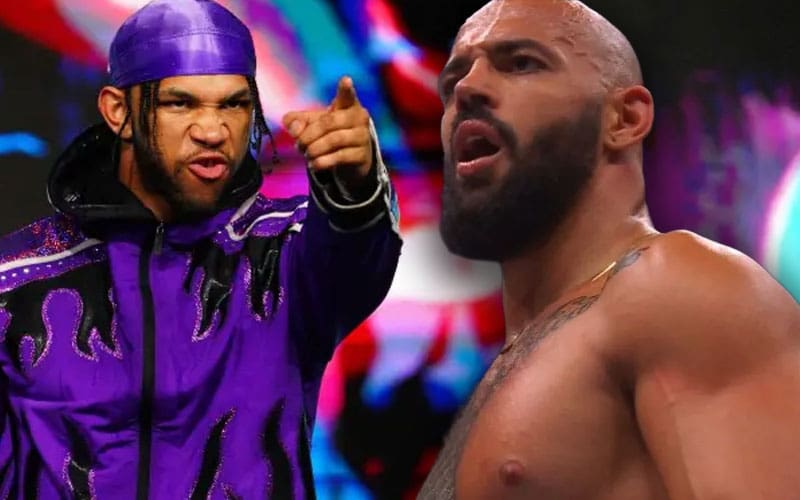
The cancellation of a marquee WrestleMania weekend matchup
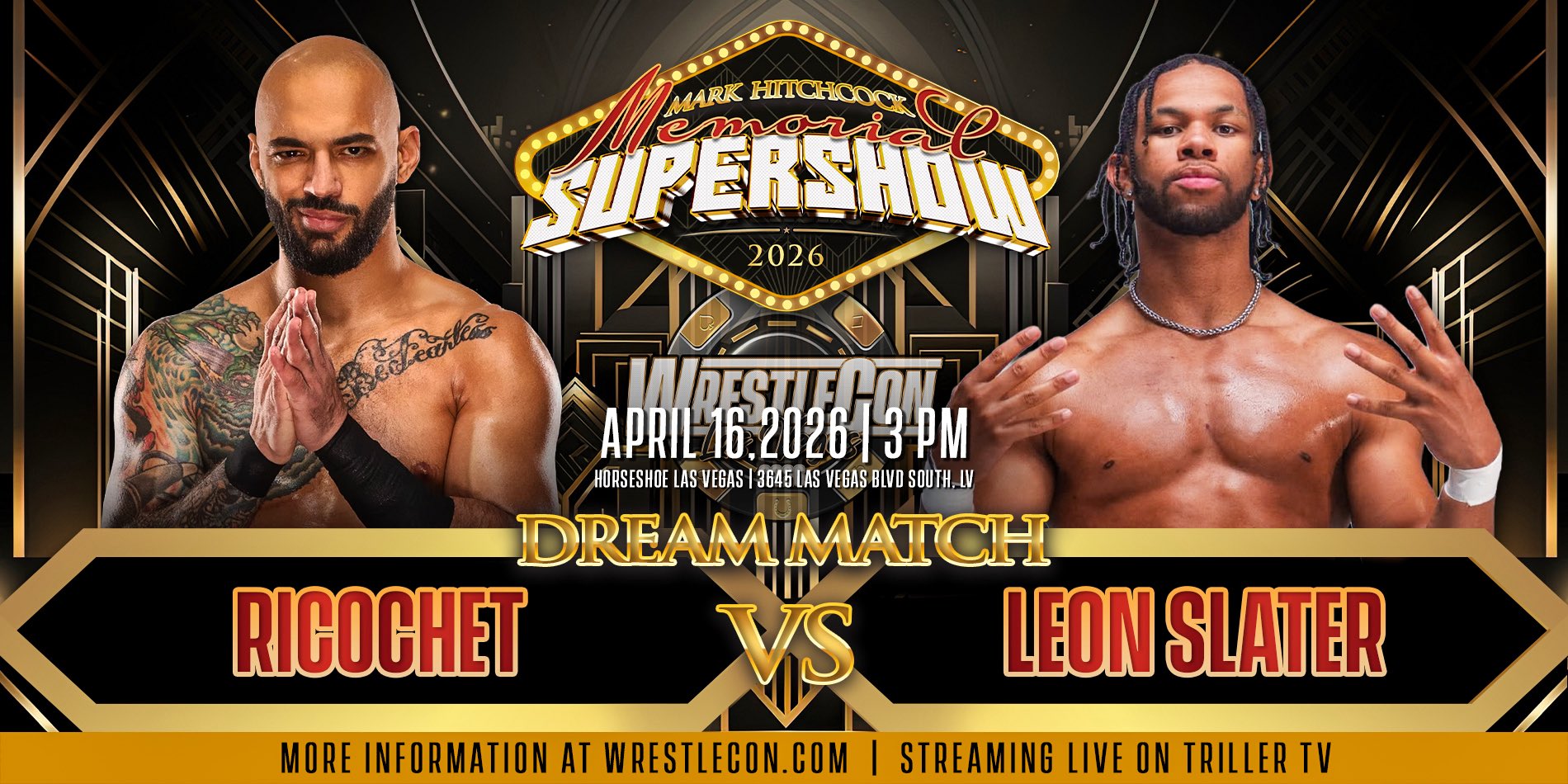
Leon Slater vs. Ricochet, initially billed as a breakout showcase for WrestleMania weekend, has been officially scrapped. The match, which served as a major attraction for the independent events surrounding the WWE festivities, was pulled hours before the scheduled bell. WrestleCon promoter concerns regarding the medical clearance of the UK star sparked the change.
Reports confirm that Slater was not booked to drop the fall to Ricochet. The booking intent was to elevate the rising star through a high-profile exhibition, not to cycle him out in a quick loss. The sudden pivot stems from a physical setback that prevented Slater from performing the high-velocity maneuvers required by his style. Ricochet, frequently utilized for his ability to work with varied talents, remains active for other weekend commitments.
Medical protocols and independent safety standards
Promoters are increasingly cautious regarding athlete health during the dense calendar weeks encompassing WrestleMania. Leon Slater has built his reputation on a risk-heavy, aerial-based repertoire that demands total physical integrity. A minor soft tissue issue or a concussion protocol violation often triggers these protective measures.
This scenario underscores the tension between dream-match booking and the logistical reality of independent wrestling. Matches involving high-flyers like Ricochet and Slater require precise, synchronized movement. If one competitor is operating at 80 percent, the risk of escalation during a 15-minute sequence is too high. The decision to pull the plug protects both the performers long-term and the promoter from liability.
The historical precedent of last-minute changes
History is replete with similar disruptions during major wrestling weeks. In years past, travel difficulties combined with late-breaking medical alerts have forced dozens of cards to undergo emergency shuffling. The difference in this instance is the external medical oversight provided by the event staff preventing the match before it even began.
We have seen athletes attempt to work through mobility restrictions in the past, often to the detriment of their own recovery schedules. By curbing this bout early, both parties avoided the optics of a match that would have inevitably underperformed due to limited movement. It is a win for longevity, even if it is a loss for fans expecting a highlight-reel showcase.
Strategic fallout for Ricochet and Slater
The strategic blow falls hardest on Slater. He misses the chance to lock horns with one of the most visible performers in the industry. For a talent looking to gain internal traction within the international market, this represents a missed opportunity for exposure. Ricochet, meanwhile, pivots into standby status for other talent needs throughout the weekend.
The critical point here is the booking coordination. The decision to shield Slater from a loss during this period suggests he remains a priority for whatever promotion he signs with next. Had he been booked to lose, the injury would be viewed merely as a hiccup. Because the intent was for a competitive, potentially outcome-neutral showcase, the cancellation leaves a vacuum in the card's narrative flow. It highlights a recurring issue in independent booking: reliance on matches that have zero margin for error.
Future implications for WrestleMania weekend
With WrestleMania 41 kicking off in exactly 5 days on April 19, 2026, the industry is bracing for more turbulence. These independent shows serve as a stress test for performers entering the busiest week of the year. The frequency of injuries or physical fatigue during this window often results in a 15 percent increase in card changes across the city hosting the WWE event.
The industry needs to solidify its medical communication channels between independent contractors and event producers. If a performer is nursing a lingering issue, the transparency regarding their ability to go 100 percent in a high-octane match needs to be standard practice. Currently, the system relies on guesswork and last-minute physical checks. It is an inefficient way to handle the most anticipated wrestling weekend of the year.
Supporters of the independent scene often cite the spontaneity as a major draw, but there is a clear trade-off. Without formal roster depth, a single injury forces the total removal of a match rather than a creative re-booking. As seen with recent trends covered by organizations like Ringside News, the scrutiny on performer condition is tightening. Future events will likely require mandatory pre-weekend medical screenings to avoid the chaos of day-of cancellations.
Read Next
- CM Punk’s WrestleMania history and the physical toll of his current run
- Stephanie Vaquer is limping into WrestleMania 41 with more than just physical bruises
- WrestleMania week in Vegas is starting with a massive injury problem
- Becky Lynch and the complex reality of WrestleMania 41 stakes
- 🏆 WrestleMania 41 — Full Coverage Hub