The mathematics of a roster purge
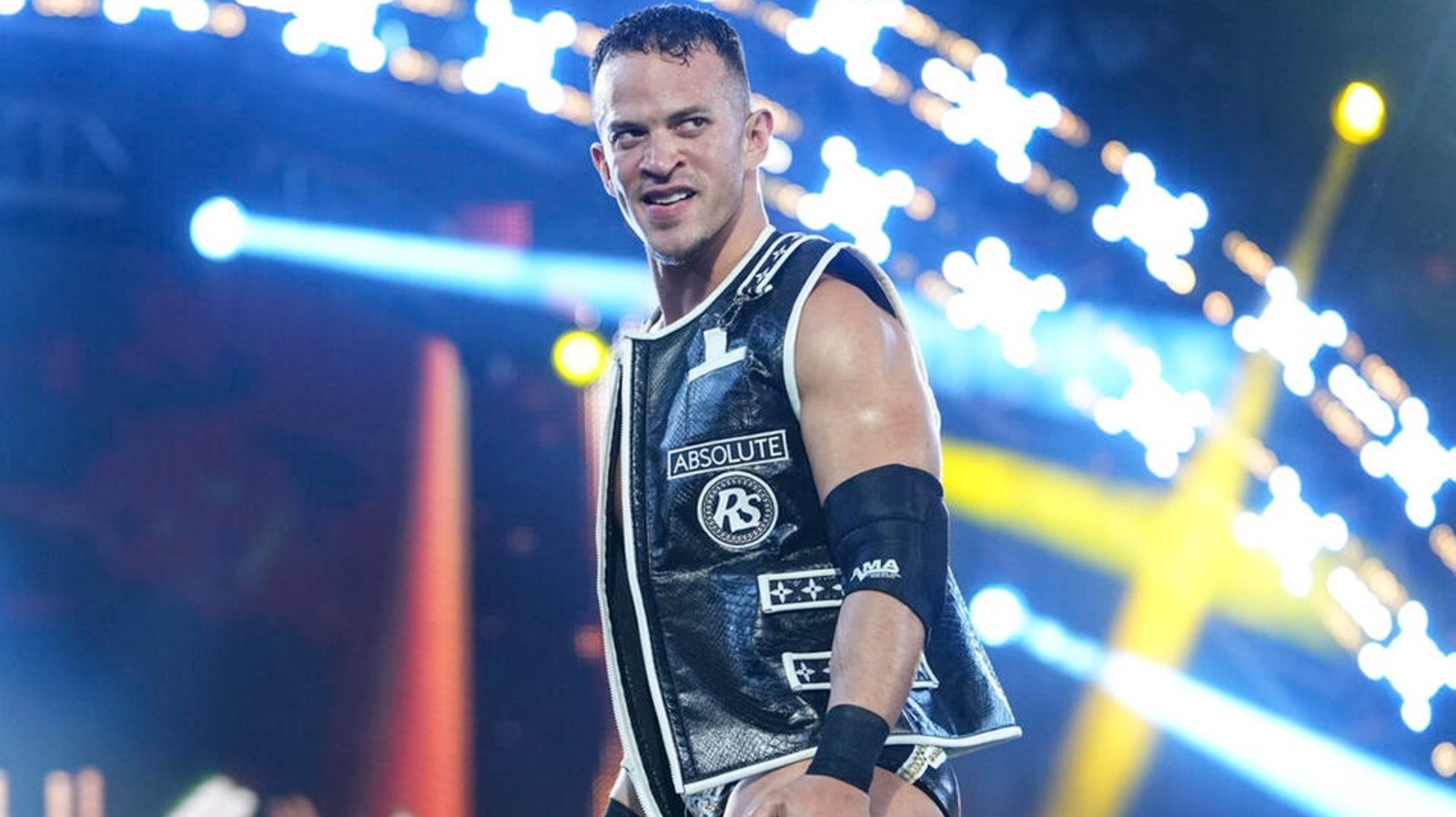
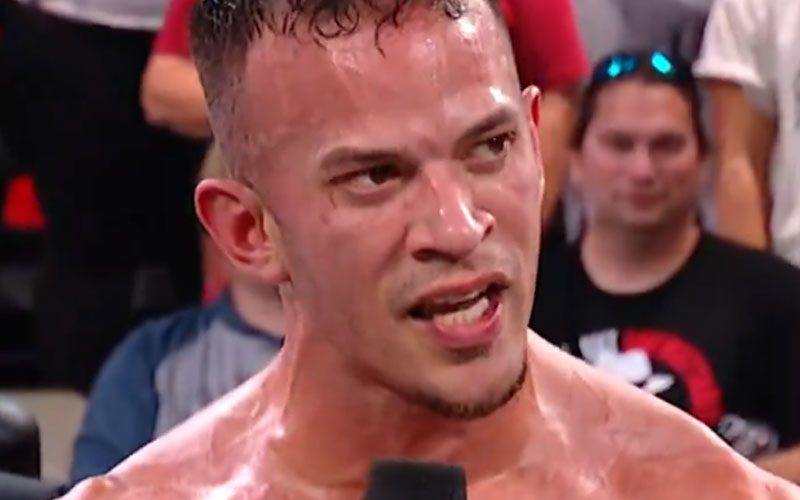
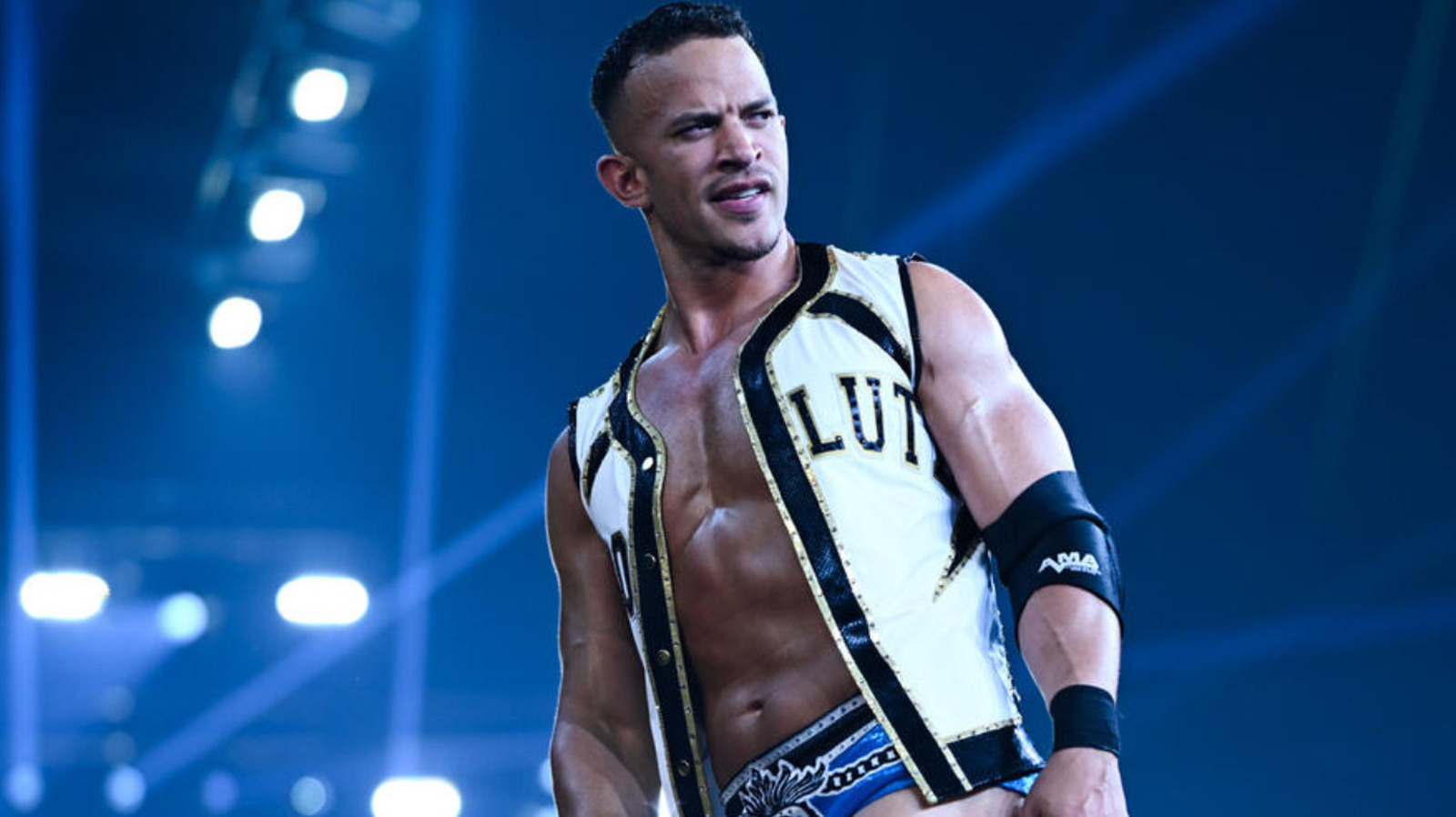
Ricky Saints walked out of the NXT arena on Tuesday night leaving behind a 68 percent win rate over the last 18 months. He stood in the center of the ring, addressing a crowd that had watched him evolve from an unpolished rookie into a genuine main event anchor.
After defeating Shiloh Hill in the dark main event, the newly drafted SmackDown star took the microphone. He thanked Shawn Michaels. He thanked Matt Bloom. He high-fived the fans in the front row.
It was a standard wrestling send-off, executed perfectly. But the real story of Tuesday’s post-show segment wasn’t the emotion of the exit. It was the statistical void his departure creates for the brand moving forward.
NXT is currently enduring one of the most severe talent drains in its history. Saints wasn't just a body on the card. Over the last year and a half, he was the brand's most reliable workhorse. He logged 47 televised matches during his run. That is a staggering volume for a developmental system designed to rotate talent quickly.
When a guy who eats up 15 to 20 minutes of television time every single week suddenly vanishes, the math changes for everyone else in the locker room.
A card built on transition
The dark matches surrounding the April 28 tapings tell a story of an aggressive, almost desperate rebuild. Before the cameras rolled, Elijah Holyfield secured a victory over Romeo Moreno. Thea Hail handled Zena Sterling, and Noam Dar picked up a win against Harley Riggins.
That is three untelevised bouts, carefully designed to test combinations before they hit the main broadcast. Last year, NXT averaged just 1.4 dark matches per taping. Tuesday's jump to three suggests a sudden urgency in evaluating the bottom half of the roster.
The urgency is entirely justified. The WWE Draft did not just skim the top of the NXT roster; it hollowed out the entire middle class.
Since the modern iteration of the draft began, NXT has typically lost an average of 6.5 wrestlers per cycle. This year, that number has spiked. The departure of established television anchors forces the booking team to accelerate timelines that were previously mapped out for the fall.
The math behind Lizzy Rain’s debut
Let's look at Lizzy Rain's victory over Nikkita Lyons earlier in the night. Lyons has been positioned as a physical anomaly in the women's division. She is a heavy hitter who typically dictates the pace.
Having Rain debut and secure a victory immediately flips the established hierarchy. But look at the numbers driving this decision.
NXT lost an estimated 42 percent of its established female television talent in the recent shakeup. Rain isn't just an option right now; she is a mathematical requirement. Her match against Lyons clocked in at just under seven minutes. That is a heavy workload for a debut, indicating that the training wheels have been completely removed.
Historically, WWE prefers a 60-40 split between established veterans and rising rookies in any given television match. Right now, that ratio in the women's division has inverted. They are operating at roughly an 80 percent rookie concentration. Putting Rain over Lyons isn't just about building a new star. It is about establishing baseline credibility as quickly as humanly possible.
The EVIL anomaly
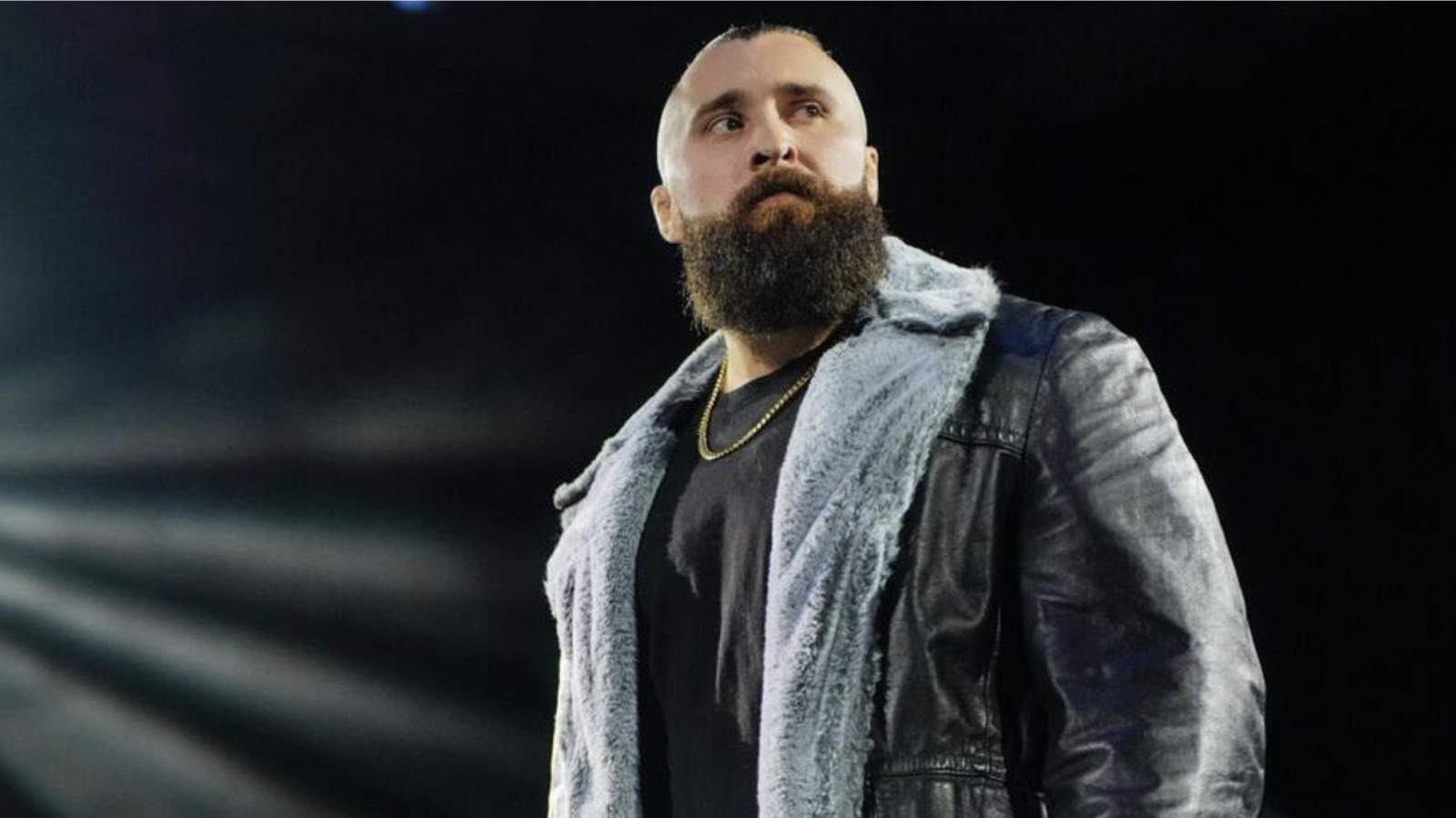
Then there is the glaring outlier of the evening. Former IWGP Heavyweight Champion EVIL reportedly appeared in a "dark arena" segment, targeting NXT Champion Tony D'Angelo.
This is where the booking logic gets completely scrambled. NXT has spent the last two years meticulously building a self-contained universe. D'Angelo's title reign has been defined by 14 consecutive televised defenses against homegrown challengers.
Injecting a 37-year-old New Japan veteran into the main event scene is a jarring pivot. It completely undercuts the developmental philosophy that management has spent years refining.
Why feed your champion to an outsider when you have guys like Tristan Angels and Kam Hendrix making their first appearances and desperate for main event reps? Angels and Hendrix were just introduced to the audience on Tuesday. They represent the actual future of the brand.
Bringing in EVIL for a one-off shock pop is a short-term calculation that sacrifices long-term equity. It eats up premium television minutes that should be going to the next generation.
The hidden cost of the SmackDown draft
When SmackDown drafted Saints, they didn't just take a wrestler. They removed a structural pillar from NXT's broadcast format. Over the past year, Saints main-evented 14 different episodes.
In those 14 episodes, the average main event lasted 18 minutes and 45 seconds. That is nearly a fifth of the total broadcast time dedicated to a single, reliable performer.
Replacing that block of time is the hardest job in wrestling production. You cannot simply ask two rookies to wrestle for 18 minutes. The crowd will turn on them. The match will break down.
Instead, that 18-minute block has to be carved up. It becomes two 6-minute matches and a 6-minute in-ring promo segment. This means more moving parts, more entrances to coordinate, and a significantly higher probability of live television errors.
We saw the beginnings of this fragmentation on Tuesday. By relying on three dark matches, the production team is frantically auditioning talent to fill the upcoming broadcast gaps.
The historical data on these transitions is brutal. Following the 2016 brand split, which famously gutted the NXT roster, the brand saw a 31 percent increase in matches ending in under five minutes over the subsequent three months. We are likely staring down the barrel of a similar statistical regression. The product is about to get much shorter, much faster, and considerably sloppier.
Looking ahead to a thin summer
Ricky Saints is gone. His guaranteed 20-minute main events are going to be replaced by 8-minute developmental scrambles.
The numbers don't lie. NXT is losing its veterans faster than it can replace them. Thea Hail getting reps against Zena Sterling before the show is a nice developmental step, but it doesn't solve the immediate main event problem.
Michaels and his team have exactly 10 days until WWE Backlash on May 9. Though NXT operates on its own schedule, the ripple effects of the main roster premium live events always dictate the pace of the developmental brand.
They need to find three new main eventers in the next month to carry the summer schedule.
If Tuesday night's disjointed mix of tearful goodbyes, rapid-fire debuts, and random New Japan invasions is any indication, they are nowhere close to solving that equation. Saints high-fived the fans and walked out the door. He took the stability of the NXT main event scene with him.