The physical reality of Rey Mysterio's longevity
Rey Mysterio remains a focal point of professional wrestling discussions not just for his contributions to the ring, but for his sustained physical durability. While reports recently focused on his off-screen ventures, including his upcoming animated series project as Ringside News detailed, the veteran performer faces the standard wear and tear of a decades-long career. His style, built on high-velocity aerial maneuvers and repeated impacts, has left fans constantly monitoring his status.
Injury history and career context
Mysterio has managed a list of significant injuries that would have sidelined most performers in their prime. His knees have been the primary point of failure throughout his career, with multiple surgeries performed to repair torn ligaments and damaged cartilage. This history forces a conservative approach to his scheduling and booking.
By managing his appearances, the WWE effectively extends his shelf life. However, this creates a clear bottleneck for creative planning. When Mysterio takes time off for recovery cycles, mid-card programs frequently stall, lacking the veteran anchor necessary to elevate younger talent in consistent segments.
Strategic implications for the division
The reliance on Mysterio to anchor the high-flyer division creates a significant dependency. When he suffers a setback, there is often no immediate replacement that matches his crossover appeal or his specific ability to work with inexperienced opponents. This is not a new issue for the promotion.
Historically, the booking office has struggled to pivot when their top stars are forced into recovery. We saw this in previous injury cycles where the tag team division stagnated during his absences. The current reliance on brand split rules means his absence leaves a void that other performers are still learning to fill.
The cost of high-intensity performance
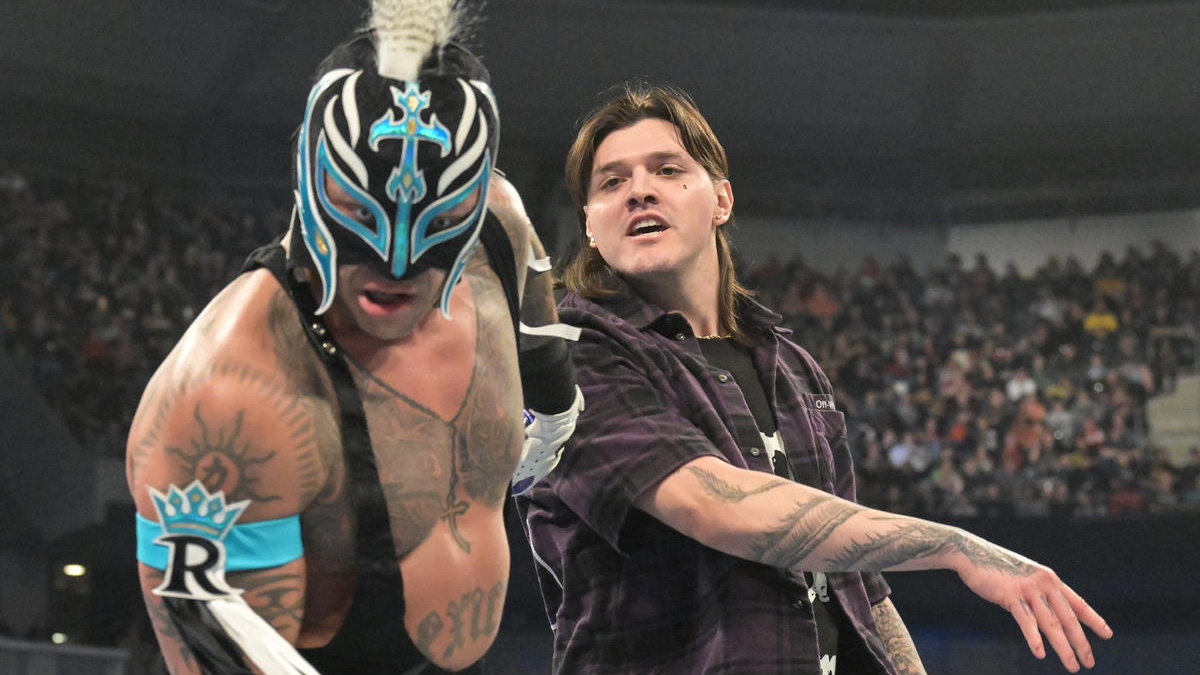
Mysterio's offense remains centered on moves like the 619 and top-rope splashes, which demand extreme joint loading for every execution. Even simple transitions like the seated senton require repetitive hyperextension of the spinal column and knee impact on the mat. These are not moves that age well.
While his current health status is managed through reduced workloads, any deviation from this routine risks immediate re-injury. The industry expectation remains that he will continue to transition into more of an ambassador role, focusing on media projects and character development to bridge the gap between wrestling audiences and mainstream entertainment platforms.
Critically, the promotion has failed to properly cultivate a successor who matches his tactical style without also adopting his injury profile. By leaning on older talent to populate the athletic divisions, the booking team prioritizes immediate ratings over long-term roster development. This is a recurring oversight that will likely haunt the product once these veterans fully retire.
Looking ahead, the goal is clear: limit the impact-heavy spots while maximizing screen presence. Whether this balance is sustainable through the end of the year remains the most significant question for his internal medical team. If the workload increases beyond current projections, the probability of an extended hiatus jumps significantly, leaving the roster without their most reliable veteran presence.