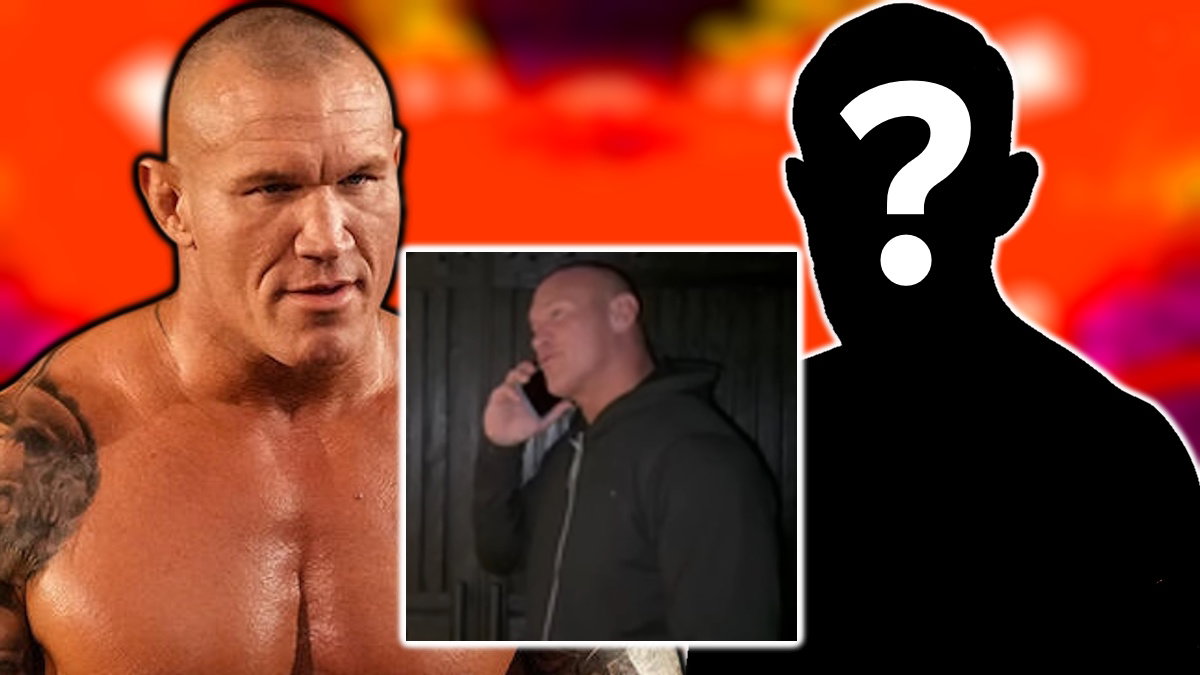
Randy Orton’s return to villainy is the best thing WWE has done all year
The Viper finds his fangs again
Professional wrestling thrives on the simple tension between the hero and the antagonist. For months, the creative direction felt stagnant, drifting through repetitive segments that lacked a genuine edge. When Randy Orton finally turned his back on the audience, the atmosphere shifted instantly.
As Matt Hardy recently noted, this shift was the necessary oxygen for a dying fire. The veteran performer understands that Orton is at his best when he is not playing to the crowd, but instead looking for the most efficient way to inflict pain. It provides a narrative anchor for the upcoming major events.
The technical execution of the turn
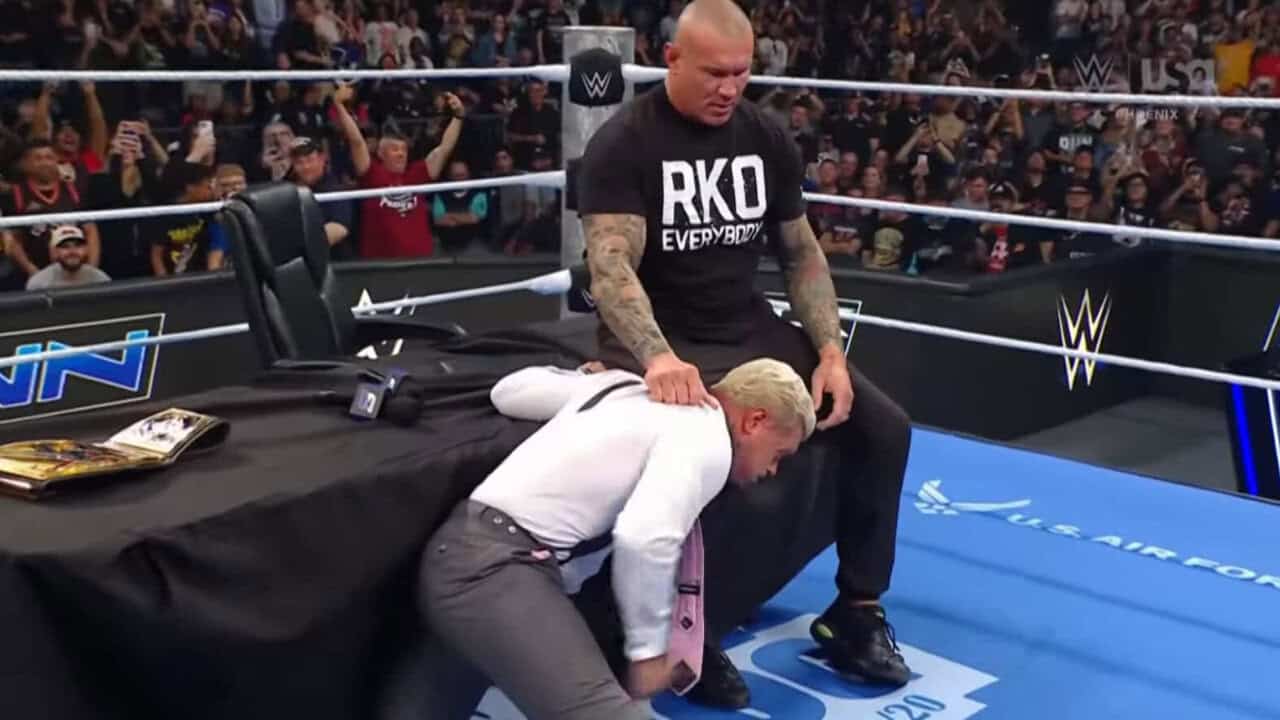
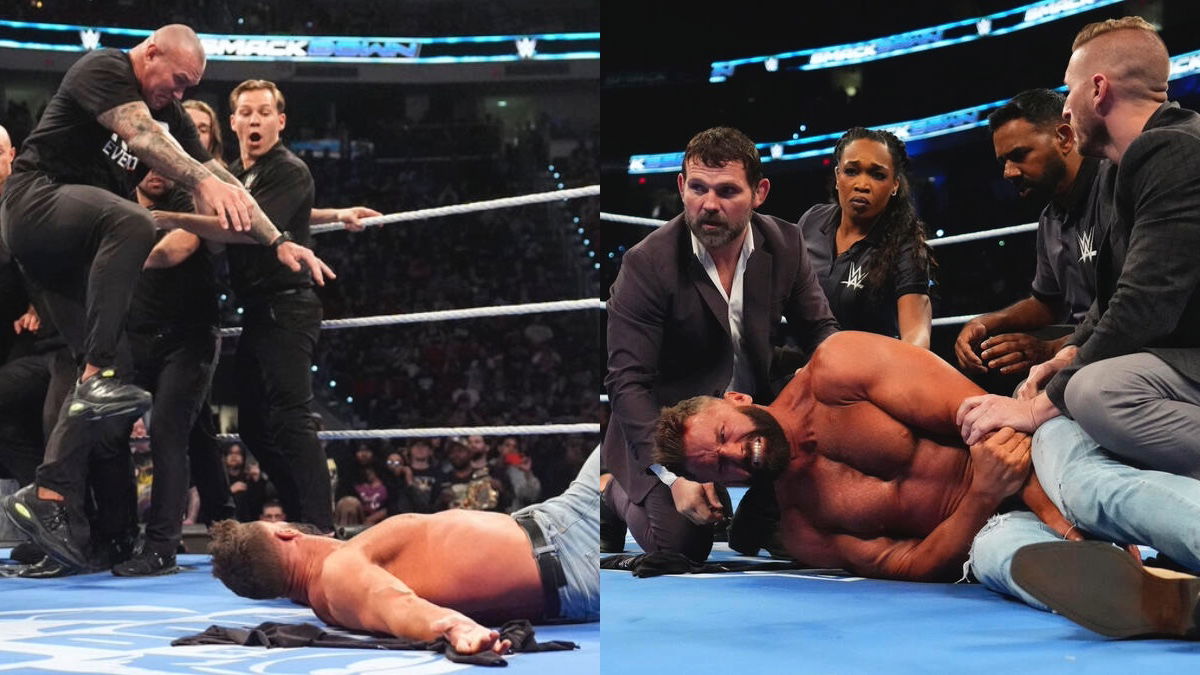
The turn itself was not a complex masterclass in storytelling, but it was effective in its brutality. Orton utilized the RKO not as a celebratory finish, but as a weapon of opportunity. He waited for the precise moment of vulnerability, turning the crowd’s cheers into a stunned, uncomfortable silence.
The execution of the move felt crisp, landing with a snap that reminded viewers why he remains one of the most dangerous workers in the industry. It was a calculated strike, emphasizing his cold, methodical approach to the ring. This is the version of the character that defined his most successful years.
Questionable booking choices persist
Despite the excitement surrounding this transition, the broader booking remains uneven. The company often struggles to maintain momentum after a high-impact reveal, frequently falling back into safe, predictable patterns. Following the initial shock, the creative team needs to ensure that this isn't just a reset button for old rivalries.
There is a risk that Orton will be placed in a program that does not elevate his status. If he is relegated to mid-card filler, the impact of this transition will evaporate within weeks. The writers must commit to a high-stakes feud that justifies his return to the dark side.
Looking toward the big stage
With major shows on the horizon, the focus must remain on the long-term payoff. A heel Randy Orton needs a foil who can withstand his psychological warfare. Without a strong protagonist to push back against his cruelty, the character risks becoming a caricature of his former self.
The industry is currently in a state of flux where fan engagement fluctuates wildly based on the quality of the weekly product. By leaning into his natural inclination toward villainy, Orton has given the audience a reason to tune in. The challenge now lies in the follow-through, ensuring the narrative doesn't get bogged down in unnecessary complications.
Ultimately, the move works because it feels authentic to the performer. Watching him operate with a sense of malice is far more compelling than watching him try to engage with a crowd that has grown tired of his previous persona. It is a necessary evolution for a performer who has spent too long in the middle ground.
WWE 2K24 (PS5)
The definitive wrestling simulation experience currently dominating the consoles
Frequently Asked Questions
Why did Randy Orton decide to return to his villainous persona?
How was Randy Orton’s heel turn executed in the ring?
What was Matt Hardy’s reaction to Randy Orton’s character shift?
What risks exist for Randy Orton’s character following his turn?
Who would make an ideal foil for the new heel version of Randy Orton?
More Coverage
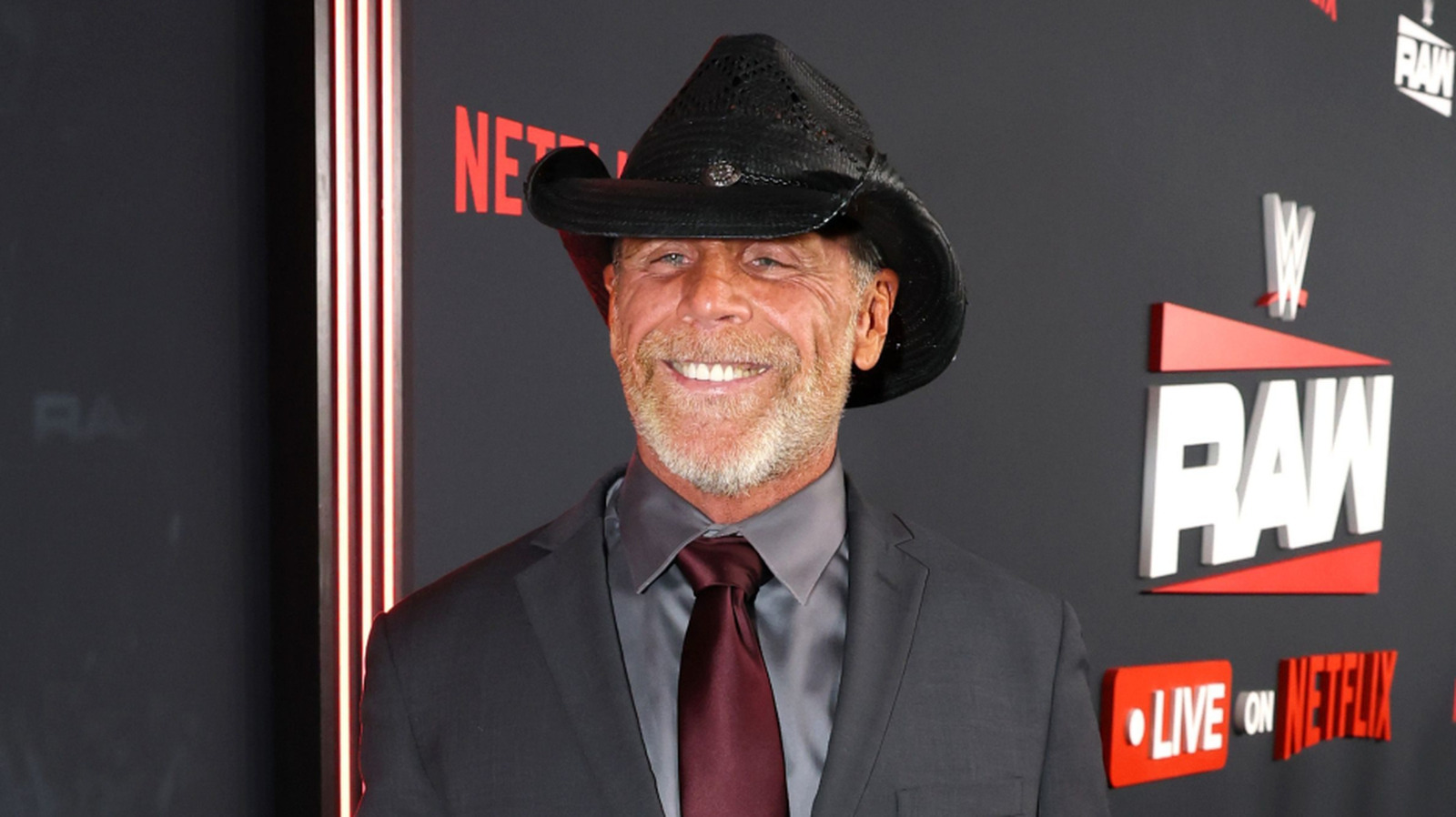
Andre Chase pulls back the curtain on the Shawn Michaels era at NXT
15 minutes ago
The Andre Chase effect: Why Shawn Michaels is the ultimate NXT headmaster
15 minutes ago
Drew McIntyre sidelined following brutal SmackDown encounter
4 hours agoWWE's New York gamble is a calculated risk ahead of WrestleMania 42
4 hours ago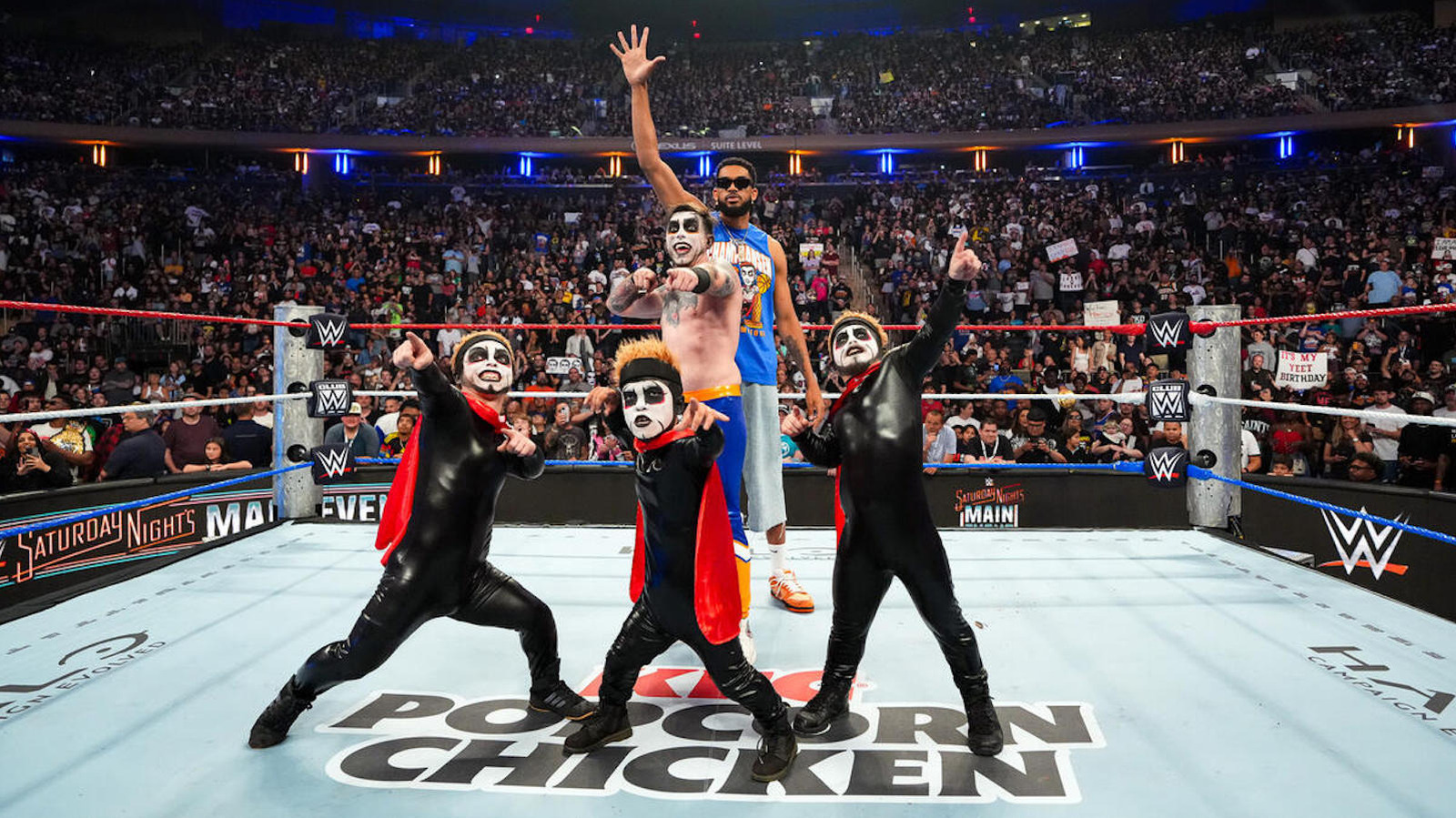
WWE's Saturday Night's Main Event math doesn't add up
4 hours agoWWE's return to New York changes the math on stadium attendance
4 hours agoMore Match Reports
Randy Orton is bored and Matt Cardona is the latest casualty
3 months, 3 weeks ago
Randy Orton just reminded Matt Cardona that WWE isn't the indies
3 months, 3 weeks ago
Randy Orton’s mysterious phone call is the most dangerous subplot in WWE
3 months, 4 weeks ago
Randy Orton is officially back to his sadistic best on SmackDown
3 months, 4 weeks ago
Randy Orton is playing a dangerous game with the Bloodline's future
3 months, 4 weeks ago