The statistical anomaly of 193 chapters
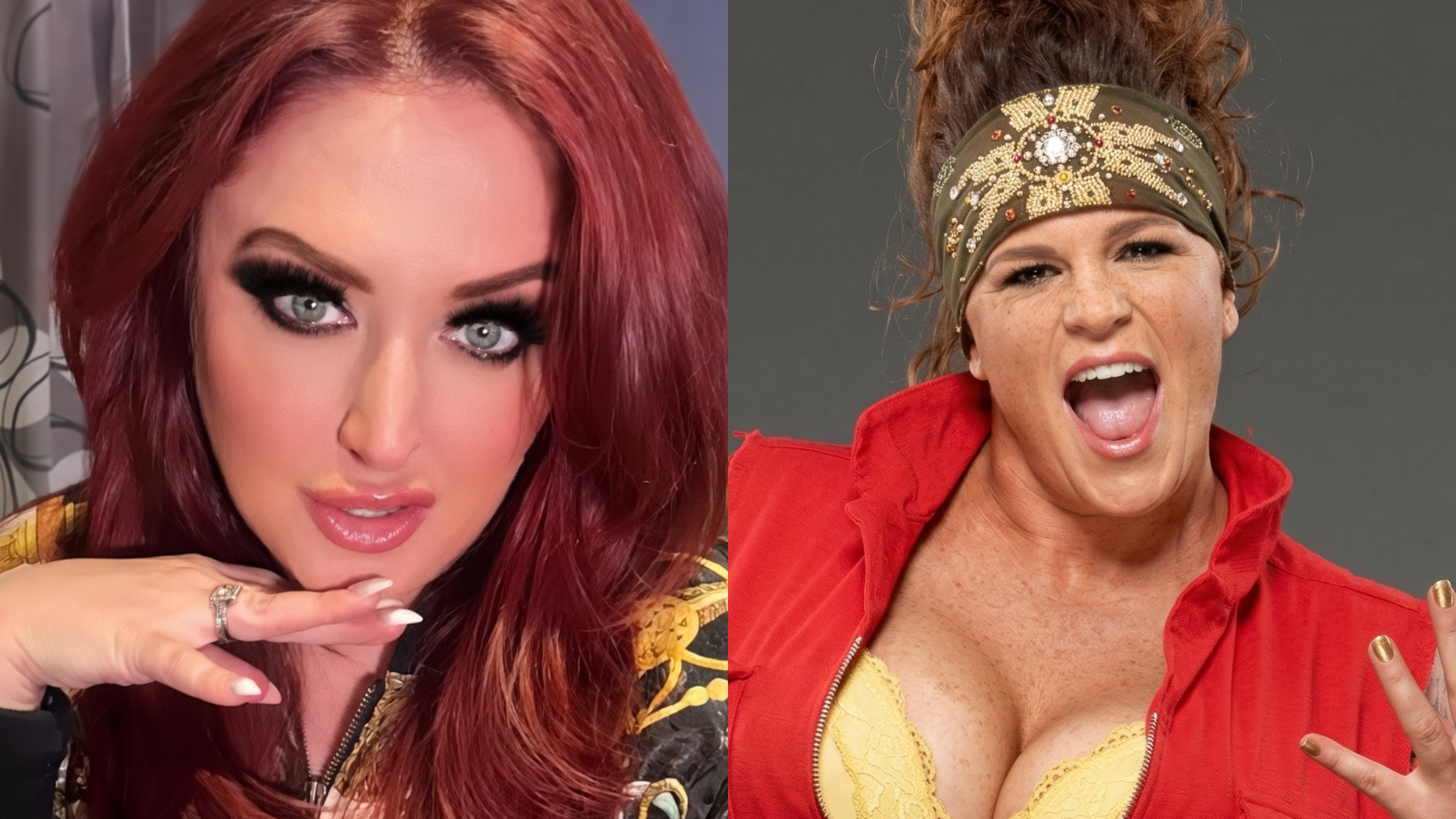
Hitting 193 distinct events is a feat that few independent promotions manage without collapsing under the weight of their own logistics. For PROGRESS Wrestling, this milestone occurs during a ten-day window in Las Vegas that sees more than 50 separate wrestling shows compete for a finite pool of traveling fans. When SoCal Val steps into the ring to host Chapter 193, she isn't just introducing a card; she is representing a brand that has survived the total reconfiguration of the British scene. Since its inception, PROGRESS has averaged roughly 14 shows per year, a consistency rate that outstrips nearly every other European export that attempted to colonize the American market during the spring residency.
The numbers behind this longevity are staggering. If we estimate an average of eight matches per chapter, PROGRESS has produced over 1,500 individual contests. For a host like Val, who has been a fixture in the industry since 2002, the ability to pivot between the high-production environment of TNA and the grittier, high-volume pace of an indie chapter is a matter of professional survival. She has moved through three major eras of TNA and multiple iterations of the independent 'boom,' yet her presence remains one of the few constants in a sector where the average talent turnover exceeds 40% every twenty-four months.
The ODB effect and the Rebellion metric
As SoCal Val prepares to interview ODB for the Velvet Ropes ahead of TNA Rebellion, the focus shifts to a performer who defined the Knockouts division during its peak viewership years. ODB is a 4-time Knockouts Champion, a statistic that undersells her actual utility to the promotion. During her primary run between 2007 and 2014, TNA's television audience frequently hovered around the 1.1 million mark. ODB was a primary driver of the 'anti-diva' movement, a precursor to the modern technical revolution that saw the women's segments often outdrawing the X-Division by as much as 15% in the quarter-hour ratings.
TNA Rebellion, which became a tentpole event in 2019, serves as the modern barometer for the promotion's health. In the current 2026 climate, the pressure on these interview segments is higher than it was a decade ago. The 'Velvet Ropes' digital series isn't just supplemental content; it is a tactical effort to convert casual social media impressions into PPV buys. With the wrestling market currently saturated by the upcoming events in Las Vegas, TNA has to fight for a share of the 72 hours that precede the biggest show of the year. Every minute of content featuring a legend like ODB is calculated to trigger nostalgia-based purchases from fans who might otherwise skip a non-core promotion's offering.
The saturated economy of the Las Vegas residency
The choice of Las Vegas for this year's festivities has created a logistical nightmare that makes Chapter 193 even more impressive. There are currently 12 different venues within a five-mile radius of the Strip hosting wrestling events between April 16 and April 20. This density has driven up talent costs and venue rentals, making the profit margins for independent shows razor-thin. When a host like SoCal Val is booked for a Chapter show, she is dealing with a crowd that has likely already seen three other shows in the preceding 24 hours. The fatigue factor is a real statistical variable that performers must account for when structuring their matches.
Data from previous residencies suggests that fan spending peaks on the Thursday and Friday before the major weekend shows. By hosting Chapter 193 in this window, PROGRESS is betting on the fact that their brand carries enough weight to lure fans away from the 'super-show' multi-promotional cards. It is a risky play. The conversion rate for independent shows during this week has dropped by nearly 12% since 2022, as fans increasingly opt for a few expensive tickets over a dozen cheaper ones. Val's role is essentially that of a traffic controller, keeping the energy high for a crowd that is statistically likely to be running on four hours of sleep and overpriced stadium food.
Why the interview format still drives the bottom line
Critics often argue that pre-show interviews and digital series like the Velvet Ropes are antiquated in an era of 15-second TikTok clips. The numbers suggest otherwise. Engagement data for TNA's digital platforms indicates that long-form interviews with established veterans see a 22% higher completion rate than generic highlight reels. Fans want the narrative tissue that connects the matches. ODB's return to the interview chair provides that weight. She represents a bridge to an era when TNA was the clear alternative to the global leader, and her presence on the Rebellion card serves as a necessary anchor for the newer, less-familiar roster members.
However, there is a cynical side to this nostalgia. TNA's reliance on names like ODB for their promotional pushes highlights a recurring failure to build a new generation of personalities with the same cross-over appeal. While the interview with SoCal Val will undoubtedly generate the necessary 'shares,' it remains a tactical retreat into the past rather than a strategic leap forward. If the promotion continues to use its biggest platform—the Rebellion cycle—to look backward, they risk becoming a heritage act rather than a contemporary force. The 10 days of wrestling in Vegas will be the ultimate test of whether these legacy connections still translate into modern revenue.
Read Next