Chaos in the desert and the hero nobody booked
Las Vegas is currently a humid, neon-soaked fever dream. WrestleMania 41 Night 2 is wrapping up at Allegiant Stadium, and while the internet is busy arguing about whether Cody Rhodes needs a third year of finishing his story, something much more important happened in the front row. We spend so much time dissecting work rates and heat that we forget these athletes are actually human beings standing in the middle of a logistics nightmare.
During the Sunday festivities, a fan near the ringside area suffered a legitimate medical emergency. While the lights were flashing and the production crew was likely worrying about a pyro cue, Bayley was the first person to realize things had gone sideways. She didn't wait for a signal from a producer in a headset. She didn't look for a referee to give the dreaded 'X' sign. She just moved.
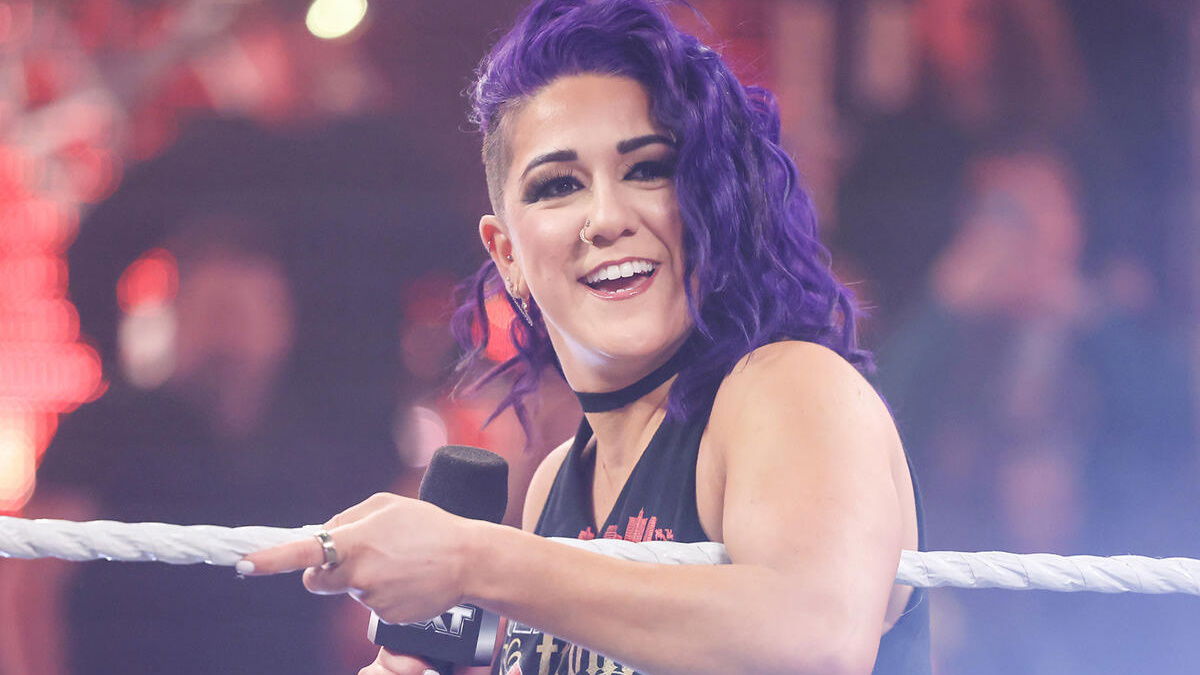
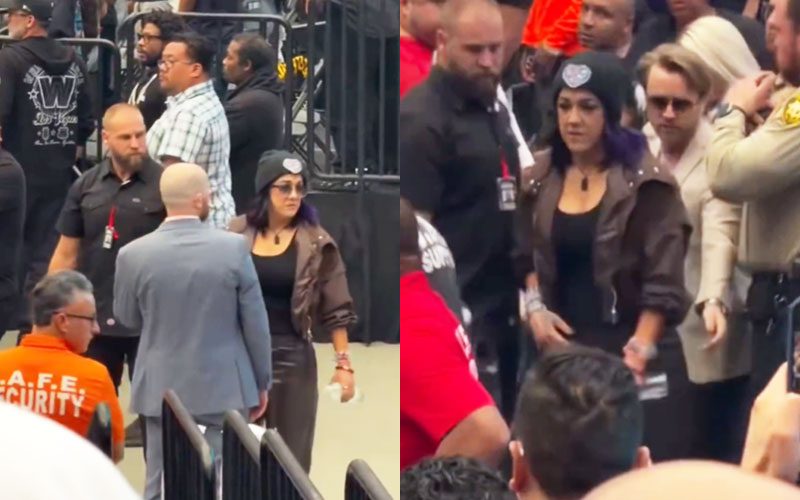
The reports coming out of the stadium are chaotic, but the core of the story is simple: Bayley spotted a fan having a seizure and immediately rushed to help. In an industry where 'staying in character' is treated like a religious commandment, she threw the script into the trash to make sure a human being didn't die on the floor of a football stadium. That is the kind of leadership you can't teach in the Performance Center.
The security gap at Allegiant Stadium
Let's talk about the elephant in the room. Why was a wrestler—who is ostensibly there to perform a high-impact athletic display—the first responder for a medical crisis in the high-priced seating? WWE prides itself on being a multi-billion-dollar global juggernaut, yet it felt like the multi-layered security protocols were caught napping while a fan was in distress.
We see this constantly in big stadium shows. The 'event staff' are often local hires who have been given a neon vest and a thirty-minute briefing. They are trained to stop people from jumping the rail, but they aren't exactly EMTs. It took a veteran like Bayley, someone who has spent two decades scanning crowds and managing chaos, to actually trigger the response. The medical staff eventually arrived, but those first 30 seconds are everything in a seizure situation.
It is frankly embarrassing that with the amount of money flowing through the TKO coffers, the safety of the fans still occasionally relies on the situational awareness of the talent. Bayley shouldn't have to be the primary scout for medical emergencies, but thank God she was. This isn't just a 'feel good' story; it’s a massive red flag for how these massive events are being policed internally.
The evolution of a real-life role model
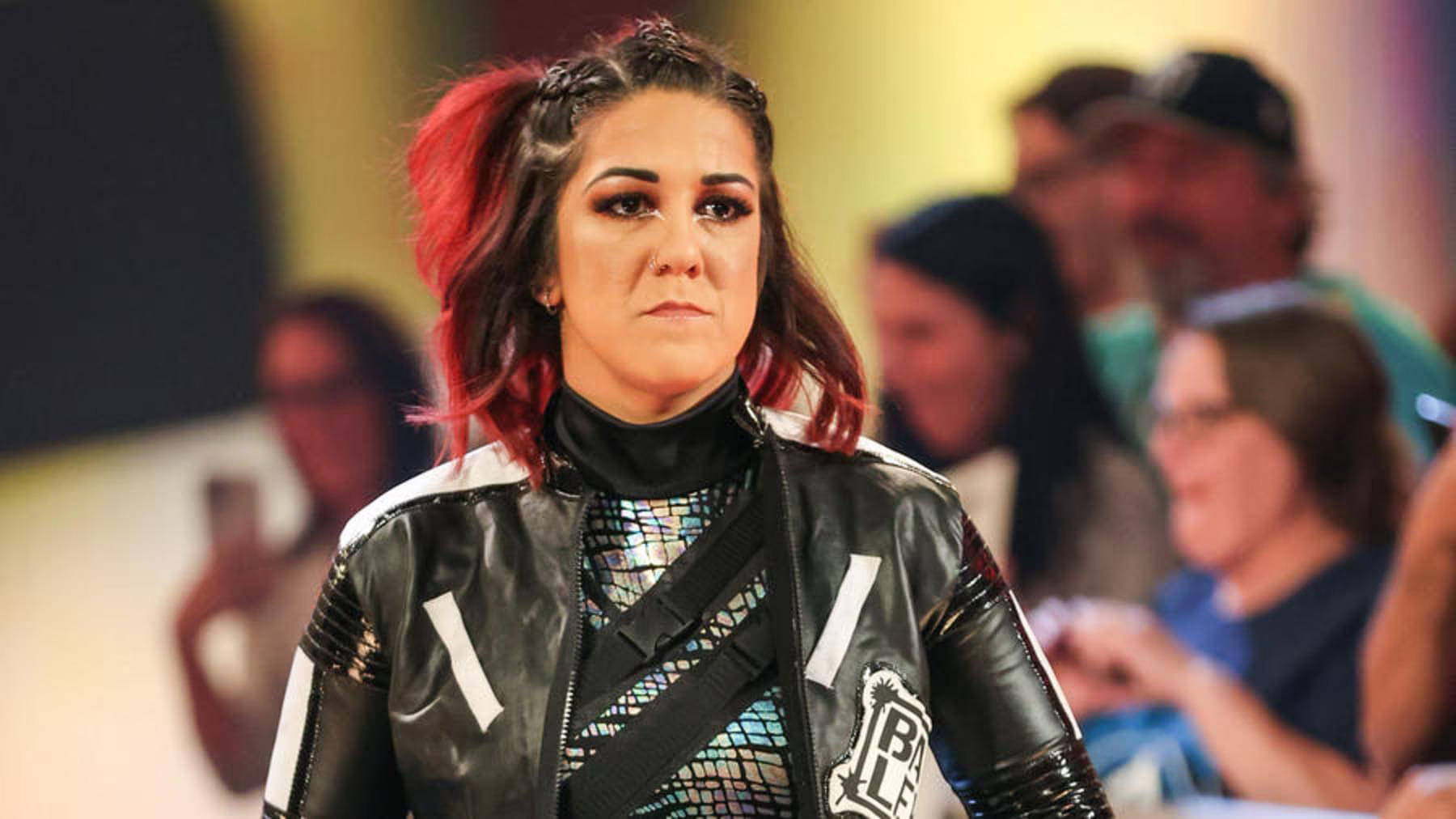
For years, Bayley played the 'Hugger.' She was the bright, neon-colored avatar of hope for every kid in the audience. Then she turned into the 'Role Model,' a sarcastic, bitter heel who lead Damage CTRL with an iron fist and a lot of loud talking. But tonight, the branding didn't matter. The person behind the character—Pamela Martinez—showed why she is the literal glue of the women's division.
You hear the stories all the time from the younger talent. They call her the 'locker room leader' not because she gives big speeches, but because she’s the one making sure everyone is fed, safe, and on time. Seeing that translate to the fans is the most 'Bayley' thing possible. While Roman Reigns is busy operating on 'God Mode,' Bayley is operating on 'Competent Human Mode,' and frankly, that’s more impressive in 2026.
There is a cynical side to this business that would tell you she broke the fourth wall. To those people: get a life. There is no kayfabe for a grand mal seizure. If you’re upset that a wrestler stopped being a 'heel' to help a dying fan, you have lost the plot. She proved that being a professional means knowing when the show ends and the reality begins.
A masterclass in situational awareness
Allegiant Stadium is a cavernous, loud, and disorienting place. If you've ever been at ringside for a WrestleMania, you know it's a sensory assault. The bass from the entrance music vibrates your teeth. The heat from the pyro is enough to give you a tan. For a fan to have a medical emergency in that environment and for a performer to catch it while under the glare of a hundred spotlights is nothing short of miraculous.
This wasn't a slow moment in a headlock. This was in the middle of the WrestleMania Sunday grind. The mental fatigue of Night 2 is real for everyone involved. Most wrestlers are focused entirely on their spots, their timing, and not getting a concussion. To have the peripheral vision to see a fan collapsing is a level of vet-status that most of the roster will never achieve. It’s the kind of 360-degree awareness that differentiates the greats from the merely good.
She didn't do it for the cameras. In fact, most of the broadcast didn't even catch it because the directors were likely busy cutting to a shot of a celebrity in the third row or a wide pan of the Vegas strip. This was a quiet act of heroism that only came to light because of fan-shot footage and early reports from outlets like Ringside News. And yes, for those keeping track, the initial reports were so rushed they claimed this happened at 'WrestleMania 42.' Guys, check your calendars. We’re in 2026. It’s WM41. Let’s try to keep the years straight while we’re reporting on actual life-and-death stuff.
The reality of the WrestleMania marathon
We need to talk about the physical toll of these two-night Vegas shows. It's 95 degrees outside, and even with the roof closed, the energy in that building is draining. Fans are drinking, they're screaming for five hours straight, and they're often dehydrated. The 'WrestleMania Experience' is becoming a grueling endurance test for the audience, and this seizure incident is a symptom of a larger problem.
WWE wants these events to be festivals, but they are treating the fans like data points in a spreadsheet. When you pack that many people into a stadium for two straight nights of 10-hour blocks, people are going to break. Bayley’s intervention shouldn't be the only thing we talk about; we should be asking why the environment is becoming so hostile to the average fan's physical health.
It’s easy to blame the fan or say it’s a 'freak accident,' but the frequency of these incidents is ticking up. If Bayley hadn't been there, how long would that person have been on the ground? Would the people behind them even have noticed over the sound of a 70,000-person pop? The margin for error is getting razor-thin, and the company is lucky they have performers who actually care about the people paying their salaries.
The aftermath and what comes next
As of right now, the fan is reportedly stable. Bayley went back to work because that’s what she does. She finished her obligations, did the media rounds, and probably hasn't slept in 48 hours. She won't ask for a 'hero's welcome' on Raw tomorrow night, and she likely won't even mention it in her promos. That’s the point.
The women's division has undergone a lot of changes in the Triple H era. We’ve seen the rise of Jade Cargill, the dominance of Rhea Ripley, and the constant evolution of Charlotte Flair. But Bayley remains the benchmark. Not just for her match quality—which is still top-tier—but for her integrity. You can't manufacture the kind of respect she earned tonight. It wasn't a 'WrestleMania Moment' designed by a writer in a room; it was a human moment that eclipsed everything else on the card.
The next time you hear someone say wrestling is fake, show them the footage of Bayley at the rail. Show them the look on her face when she realized someone was in trouble. The bruises are real, the fatigue is real, and as it turns out, the heroes are real too. WWE needs to give this woman a raise, a vacation, and maybe a seat at the table when they're planning their next security briefing. Because right now, she’s the only one who seems to know what’s actually happening in the building.