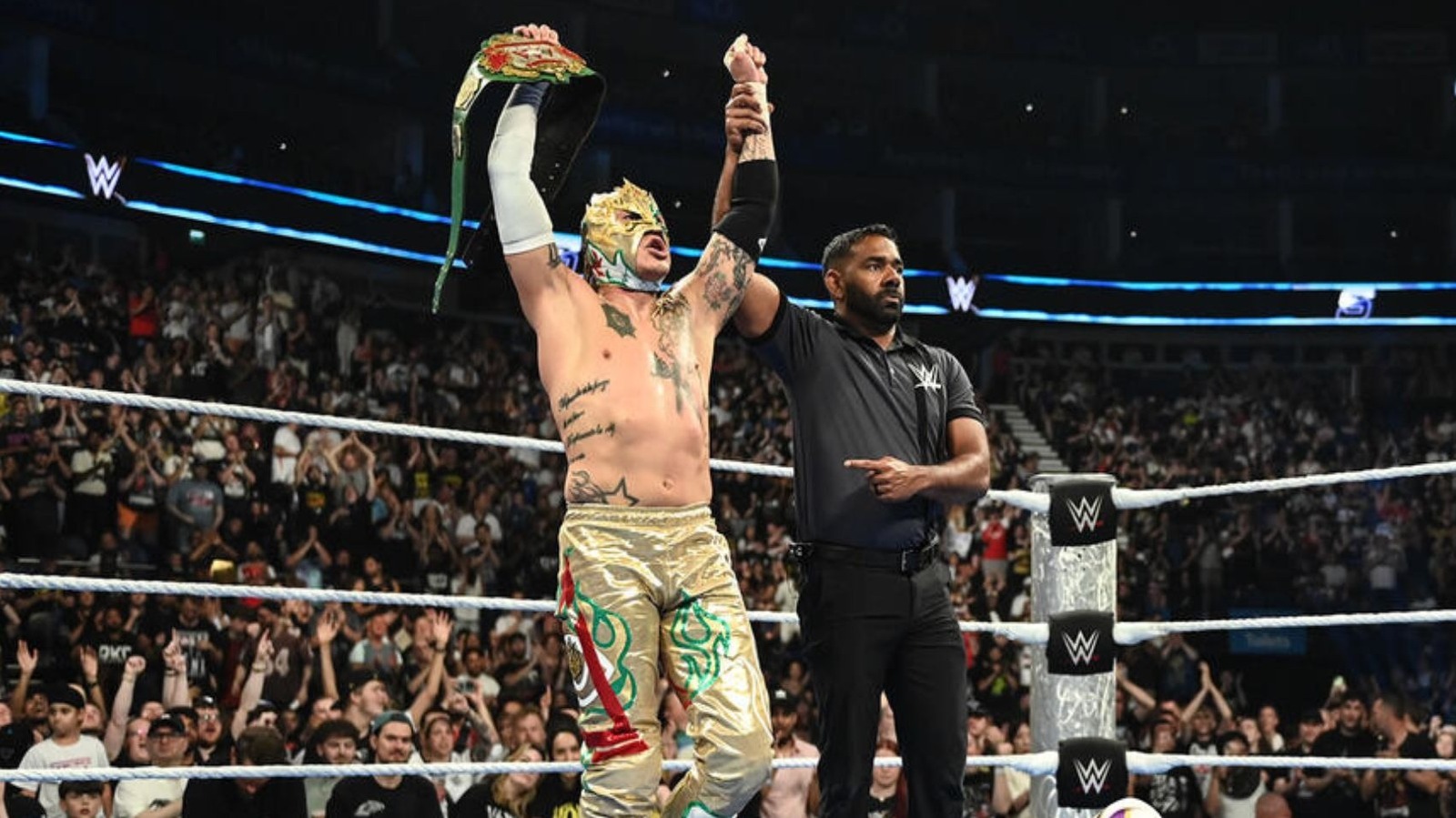
The Collision of Two Lucha Ideologies
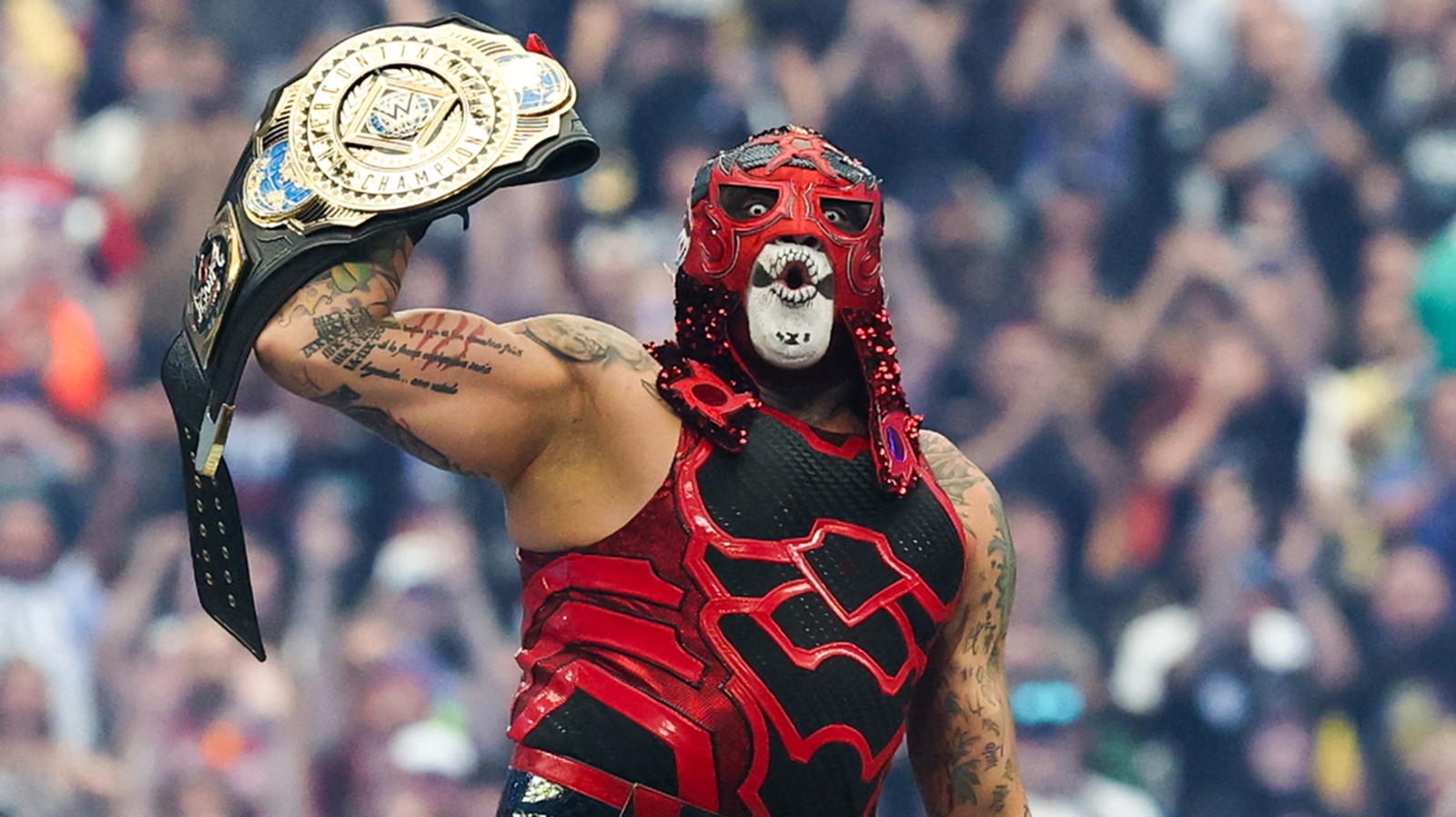
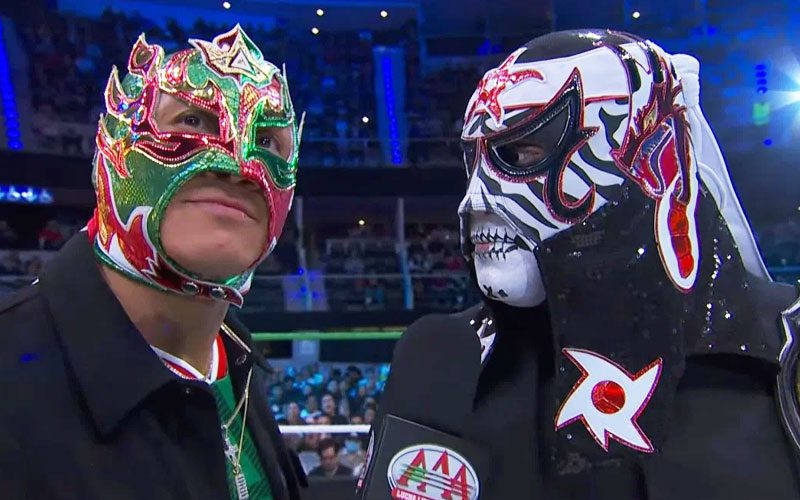
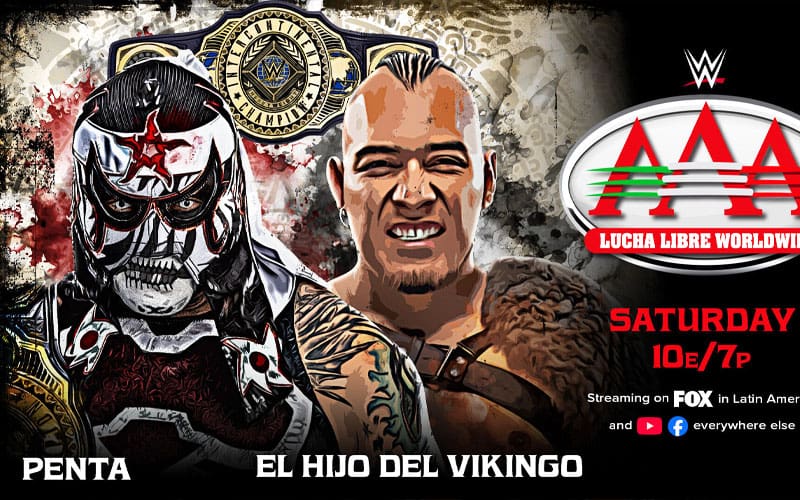
Mark your calendars for April 11th. That is the night Penta puts his Intercontinental Championship on the line against El Hijo del Vikingo. It is a booking decision that immediately forces you to sit forward in your chair. We are not just getting a clash of two popular luchadors. We are getting a referendum on what modern lucha libre actually looks like.
The Intercontinental Championship carries immense weight. It is historically the workhorse title, given to the wrestler expected to steal the show every single night. Penta has carried that burden remarkably well. He has turned his title defenses into brutal, hard-hitting spectacles. But defending against a generational high-flyer is a completely different assignment.
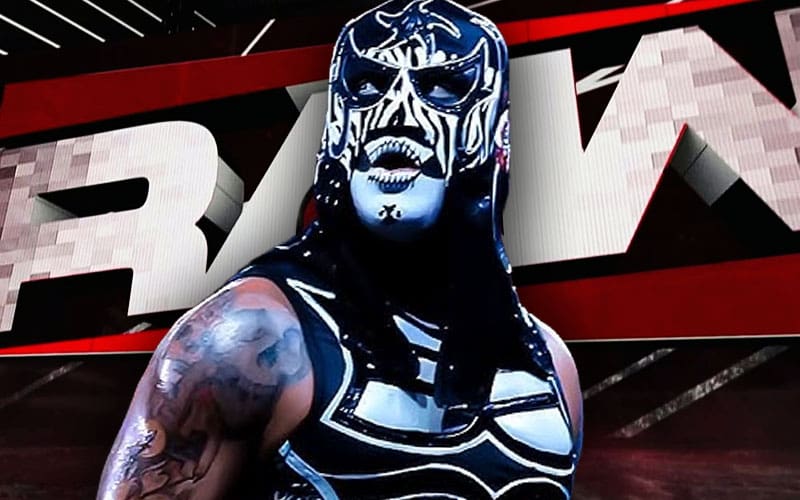
On one side, you have the champion. Penta has evolved from a flashy, high-flying rebel into a ground-based executioner. He no longer needs to fly to hurt you. He just needs an opening.
On the other side, you have the challenger. Vikingo operates in a completely different gravitational field. He treats the ring ropes not as boundaries, but as launchpads. His offense relies on stringing together impossible aerodynamic sequences.
This match is fascinating because their styles are diametrically opposed. Penta wants to slow the heart rate of the match down to a crawl. Vikingo wants to redline the engine from the opening bell.
How the Champion Dictates the Pace
Look closely at Penta's recent title defenses. He is not interested in trading arm drags. He is interested in limb destruction. His strategy is remarkably consistent, yet opponents keep falling into his traps.
Penta targets the lead arm. It sounds basic, but his execution is flawless. He does not just apply a standard hammerlock. He isolates the wrist, steps over the bicep, and uses his own thigh as a fulcrum to snap the elbow joint backward. It is brutal, efficient, and instantly changes the geometry of a match.
Against a high-flyer, taking away the arms is a stroke of tactical genius. You cannot hit a springboard safely if you cannot grip the top rope. You cannot brace for impact on a landing if your elbow is screaming in agony.
He is going to spend the first five minutes of this match trying to grab Vikingo's wrists. If he secures that grip, the title is staying around his waist.
The Physics of Vikingo
Analyzing Vikingo is like trying to analyze a tornado. Standard wrestling logic simply does not apply to him. Most high-flyers—even greats like Rey Fenix—use the ropes to propel themselves linearly. Vikingo uses them to change direction mid-air.
He will hit the second rope, stall for a fraction of a second, and then launch himself backward into an inverted hurricanrana. It is impossible to scout. You cannot brace for an attack when you do not know what angle it is coming from.
But that reliance on the ropes is also his biggest liability. Vikingo needs the perimeter of the ring to generate his offense. If the fight stays in the center of the canvas, his arsenal shrinks drastically.
He has to keep Penta moving. He needs to force the champion to chase him into the corners. Once Penta commits to a charge, Vikingo can use that forward momentum against him, sliding under a clothesline and snapping off a poison rana.
The Tactical Battleground: The Ring Apron
If you want to know where this match will be decided, look at the hardest part of the ring. Both men treat the ring apron as their personal proving ground. This is where the match will get ugly.
Penta loves to drag his opponents out to the edge. The Fear Factor piledriver on the apron is his ultimate trump card. It is a match-ender. He uses the threat of it to control the pacing. Opponents are so terrified of being dropped on their neck that they overcompensate, leaving their arms exposed for his signature snap.
Vikingo, conversely, uses the apron as a runway. He will run the length of the edge, jump onto the ring post, and launch a 630 senton to the floor. It is breathtaking. It is also incredibly stupid.
A Glaring Flaw in Both Gameplans
Here is the reality check. Neither man wrestles a smart match. They are both entirely too reliant on their worst habits, and it costs them constantly.
Penta is addicted to the crowd. He cannot help himself. He hits a devastating slingblade, gets his opponent totally grounded, and instead of following up, he stops to do his signature taunt. It takes roughly three seconds to complete that gesture. Against a standard heavyweight, you can get away with that. Against Vikingo? Three seconds is an eternity.
If Penta stops to taunt, Vikingo is going to take his head off with a running meteora. The champion has lost matches simply because his ego overrode his tactical discipline.
Vikingo is even worse. His spot selection is frequently disastrous. He has zero sense of self-preservation and often goes for the kill shot far too early in the bout. There is no reason to attempt a 450 splash to the outside in the first five minutes. It burns his cardio, destroys his own knees, and gives his opponent a massive opening.
If Vikingo misses a high-risk dive early on April 11th, the match is effectively over. Penta will drag him back inside and dismantle him piece by piece.
The Physical Toll and The Counter-Attack
Look at Vikingo's schedule over the last eighteen months. He has been wrestling at a terrifying pace. He takes bumps on the floor that would sideline a normal athlete for six months. You can see the wear and tear when he walks down the ramp. The knee braces are getting thicker. The limp is a little more pronounced. He is pushing his body to the absolute limit, and he is doing it willingly.
Penta smells that blood in the water. He is a predator. He will not target the head or the neck initially. He will go straight for the heavily taped joints. A stiff kick to the back of the knee can completely neutralize Vikingo's offense. If the challenger cannot plant his feet without agonizing pain, he cannot fly. It really is that simple.
You cannot preview this match without discussing the counter-wrestling. Modern championship bouts are rarely decided by a primary finishing move. They are decided by who has the better counter to the opponent's counter. This is where the chess match truly begins.
When Vikingo goes for his imploding 450 splash, he does not just hope it lands. He expects the opponent to roll away. He anticipates the dodge, lands on his feet, and immediately transitions into a standing shooting star press. That secondary attack is his real weapon.
Penta knows this. He has watched the tapes. The champion will likely roll away from the initial dive, but he will not stand up. He will stay low to the mat, wait for Vikingo to launch the secondary attack, and bring his knees up squarely into the challenger's ribs.
It is all about baiting the trap. Penta excels at playing possum. He will slump in the corner, feigning exhaustion, practically begging Vikingo to attempt a coast-to-coast dropkick. As soon as Vikingo commits to the jump, Penta will slide out of the ring, letting the challenger crash violently into the empty turnbuckles.
This is the difference between a seasoned champion and an explosive prodigy. Vikingo reacts to the moment. Penta dictates the moment before it even happens. The challenger relies on his reflexes to get out of trouble. The champion relies on his opponent's predictability to create trouble.
Vikingo's best path to victory is to break his own patterns. If he usually goes high, he needs to go low. If he typically follows a tilt-a-whirl with a dropkick, he needs to transition into a submission instead. He has to give Penta a puzzle that he has not already solved in the film room. Changing your entire in-ring philosophy against a killer like Penta is incredibly dangerous. Thinking takes time. And in the ring with a man who wants to break your arm, time is a luxury you do not have. You hesitate, you lose a limb.
Key Matchups to Watch
Keep a close eye on the collar-and-elbow tie-ups. Penta is going to try to lock up aggressively. He wants to establish physical dominance immediately. Vikingo has to avoid the clinch. He needs to stick and move.
Look at the footwork. Watch how Penta cuts off the ring. He takes small, lateral steps, constantly forcing Vikingo back toward the turnbuckles. He acts like a cage fighter cutting off the octagon. Vikingo has to utilize misdirection. He needs to fake a springboard, drop to the mat, and attack Penta's lead leg.
Penta's base is incredibly wide. It makes him hard to take down, but it leaves his calves exposed. If Vikingo can land a few stiff low kicks early, he can compromise the champion's vertical leap. A grounded Penta is a vulnerable Penta.
The Final Verdict
This Intercontinental Championship defense is going to be violent. It will be frantic. It will likely shorten both of their careers. The clash of styles guarantees fireworks, but it also guarantees mistakes.
Vikingo is going to hit something spectacular. He will land a move that makes the arena completely lose their minds. He might even get a two-and-three-quarters near fall out of it. But spectacular does not always translate to sustainable.
Penta is too calculated. He is too patient. He knows that Vikingo cannot stay airborne forever. Gravity always wins. Eventually, the challenger is going to land awkwardly, or take half a second too long to balance on the top rope. When that hesitation happens, the champion will strike.
Expect Penta to absorb a massive amount of punishment in the first ten minutes. He will look vulnerable. He will look a step behind. And then, he will catch Vikingo mid-flight, transition into a gruesome armbreaker, and force a stoppage.
Penta retains the title in under 20 minutes. The reign of terror continues.