Penta El Zero Miedo adjusts to the WWE machine
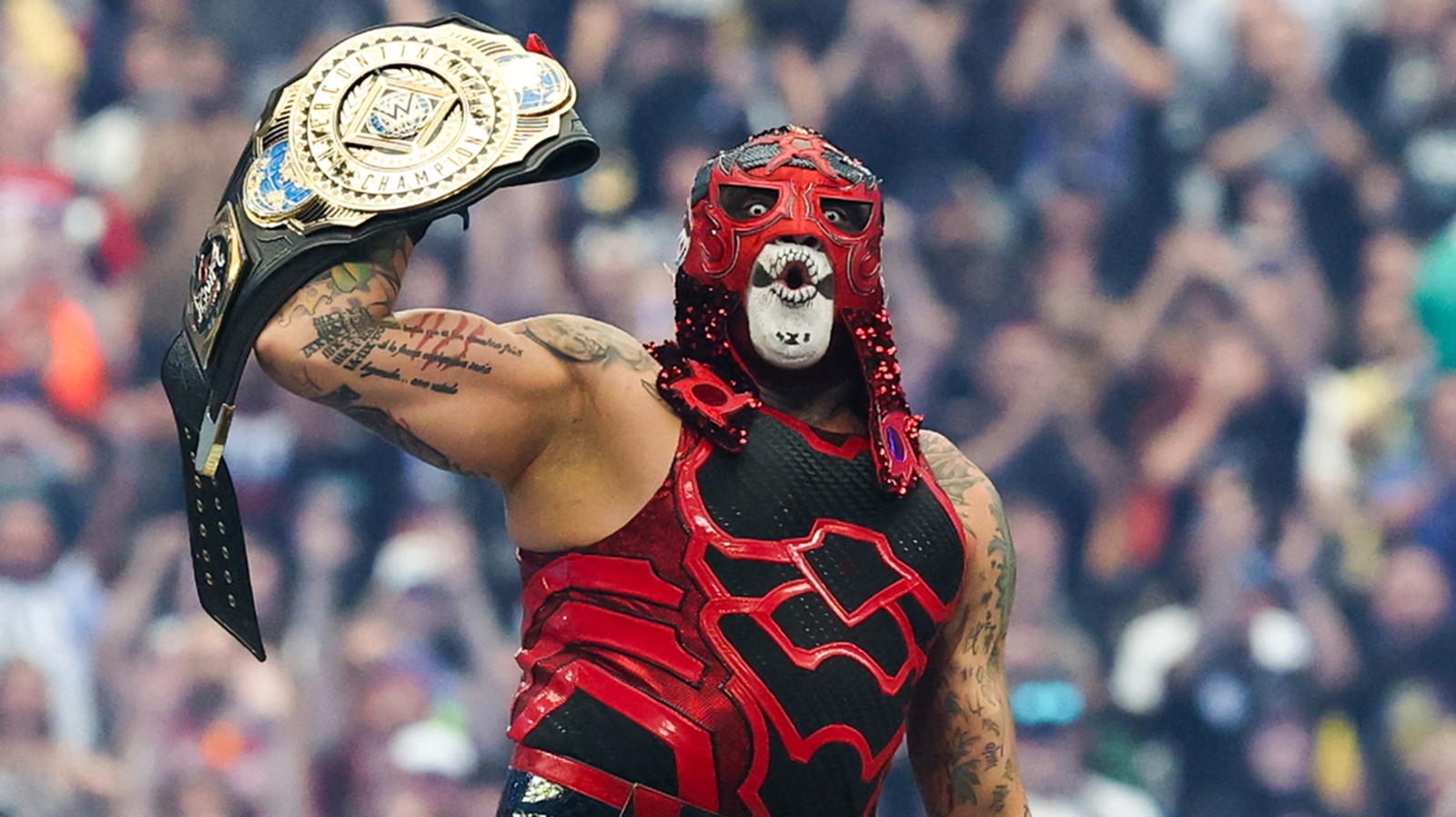
Penta El Zero Miedo has spent the last several months acclimating to the structure of WWE. Known for his tenure on the independent circuit and his work in AEW, the masked wrestler recently opened up about how his performance style has shifted since moving to the global leader in professional wrestling. He admits that navigating a larger, more structured creative system forced him to rethink how he packages his signature intensity.
The transition for a performer with Penta's specific aesthetic isn't just about learning new camera angles. It is about maintaining that trademark ferocity while operating within the confines of a television brand that values tighter narrative control. For fans who came to love the chaos of his Lucha Underground days or his high-octane tag team work, the current version of Penta feels like a measured refinement.
Refining the character
Penta remains adamant that his core identity—the bravado, the arrogance, and the aggressive strike-based offense—has not been compromised. Instead, he describes his evolution as a process of finding where he fits on a card that is significantly more crowded than any stage he performed on previously. He notes that the challenge lies in staying distinct in a locker room of world-class athletes.
I have learned that being aggressive is not enough if you don't know when to turn it on during the matches.
This admission points to a clear realization: intensity alone doesn't pop ratings or secure championship positioning in 2026. He is currently looking at how to map out his matches to prioritize crowd connection over simply trading superkicks or diving headfirst into arm-bar transitions. While some purists prefer the unbridled nature of his early career, this pivot is necessary for long-term survival in his current promotion.
The reality of the jump
Penta’s move to WWE has been marked by a transition from the unpredictable, high-speed style he mastered elsewhere to a more deliberate cadence. He is currently working to integrate his flashier maneuvers into segments designed to set up long-term television feuds. It is a slow burn that differs from his breakneck pace in years past.
However, the shift is not without its risks. As Wrestling Inc documented, Penta has been careful to manage expectations regarding his character’s timeline. There is a palpable tension between the fan desire to see his peak athleticism and the reality of a modern WWE booking schedule that limits the number of high-risk spots to preserve health.
Critical notes on the transition
Critically, the booking has struggled to find a consistent footing for him. While his technical proficiency remains elite, early segments often felt disconnected from his established persona. Fans have noticed he is being used primarily as an antagonist within mid-card scuffles, which occasionally robs him of the mystique he built up as a main event attraction globally.
There is also the question of the mask. In WWE, character identity is often tied to marketability and merch-moving capacity. Penta has successfully kept his look intact, which was a point of concern for his most devoted supporters early in the signing process. The challenge for the remainder of 2026 is turning that visual consistency into a title-focused run.
Looking at the future
What comes next? Penta suggests his goals are now centered on sustained relevance. Whether that means joining the upper echelons of the title picture or mentoring younger talent transitioning from developmental, he seems comfortable playing the long game. His goal for the future isn't just winning a strap, but proving he can be a reliable anchor for the brand's weekly programming.
The veteran status he has earned at 16 years in the business is starting to show in these interviews. He is less interested in the flash of the moment and more concerned with his career longevity. If he can bridge the gap between his past chaotic style and this new, disciplined approach, he stands a better chance of hitting that main event ceiling before the decade is out.
Ultimately, the move to WWE represents a massive gamble for a performer whose brand was built entirely on independence. By slowing his pace and focusing on character-driven segments, he is betting that his name recognition can carry over into a wider audience than he ever touched in the independent circuit. Success will be determined by whether the creative team lets him breathe or cuts his segments to the 5-minute mark.