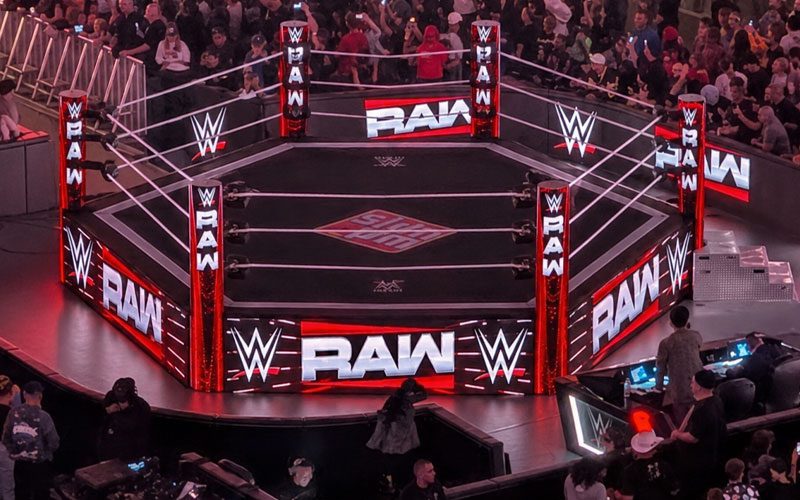
The geometry of the squared circle
Penta recently floated a concept that borders on the nostalgic: bringing the six-sided ring to WWE. Discussing the idea on the Battleground Podcast, the former AAA standout argued that the hexagonal design provides a specific, high-velocity energy that standard four-sided ropes cannot replicate.
From a tactical standpoint, this suggestion acknowledges a gap in WWE's current in-ring presentation. The geometry of a six-sided ring forces wrestlers to utilize corners at 60-degree angles rather than 90, which changes the physics of rebounds and high-impact maneuvers entirely. It demands a different spatial awareness, turning routine spots into geometry puzzles that keep audiences guessing on trajectory and impact points.
Why the six-sided ring remains a non-starter
Despite the aesthetic appeal, there is a reason this configuration rarely sustains long-term success. The mechanical load on a six-sided frame is significant, often resulting in less spring in the ropes compared to traditional rings. For a company that manages a global touring schedule with standardized logistical rigor, asking production to shift gears for a specialized surface is a reach.
As F4WOnline reported, the desire stems from Penta's deep roots in the Mexican lucha libre circuit, where the aesthetic served as a visual differentiator. Yet, WWE's current product relies on a uniformity that ensures every talent—from heavyweights to high-flyers—operates within a predictable spatial framework. Introducing a six-sided ring requires an internal logic that the current WWE roster, built for 20-by-20 standard rings, has not practiced.
The identity shift after Lucha Underground
Understanding Penta’s perspective requires acknowledging his transition from the darker, narrative-heavy style he utilized in previous promotions. He has clearly stated—as noted in recent reports on the reluctance to revive his Lucha Underground-era moniker—that his focus lies in refining his current character rather than recycling past branding. He is choosing to evolve his persona inside the existing ropes.
This is a smart play. By distancing himself from the baggage of a specific promotion, he avoids being trapped as a nostalgia act. He is betting on his raw skill to translate rather than relying on gimmicked environments or legacy titles to carry his heat.
The tactical reality
WWE will almost certainly reject the hexagonal ring proposal. The company has moved toward high-definition, sterile, and highly reproducible sets that allow for massive LED displays and specific camera angles. A non-standard ring creates shadows and camera obstructions, complicating their 100% broadcast coverage consistency.
Penta's pitch is a fascinating look at the clash between independent experimentation and the corporate machine. While the visual of a six-sided ring would indeed break the monotony of the weekly grind, it would also threaten the delicate camera choreography that WWE has perfected over two decades. Expect his next run to focus on technical adjustments in the standard ring, rather than a structural revolution that simply isn't coming.