
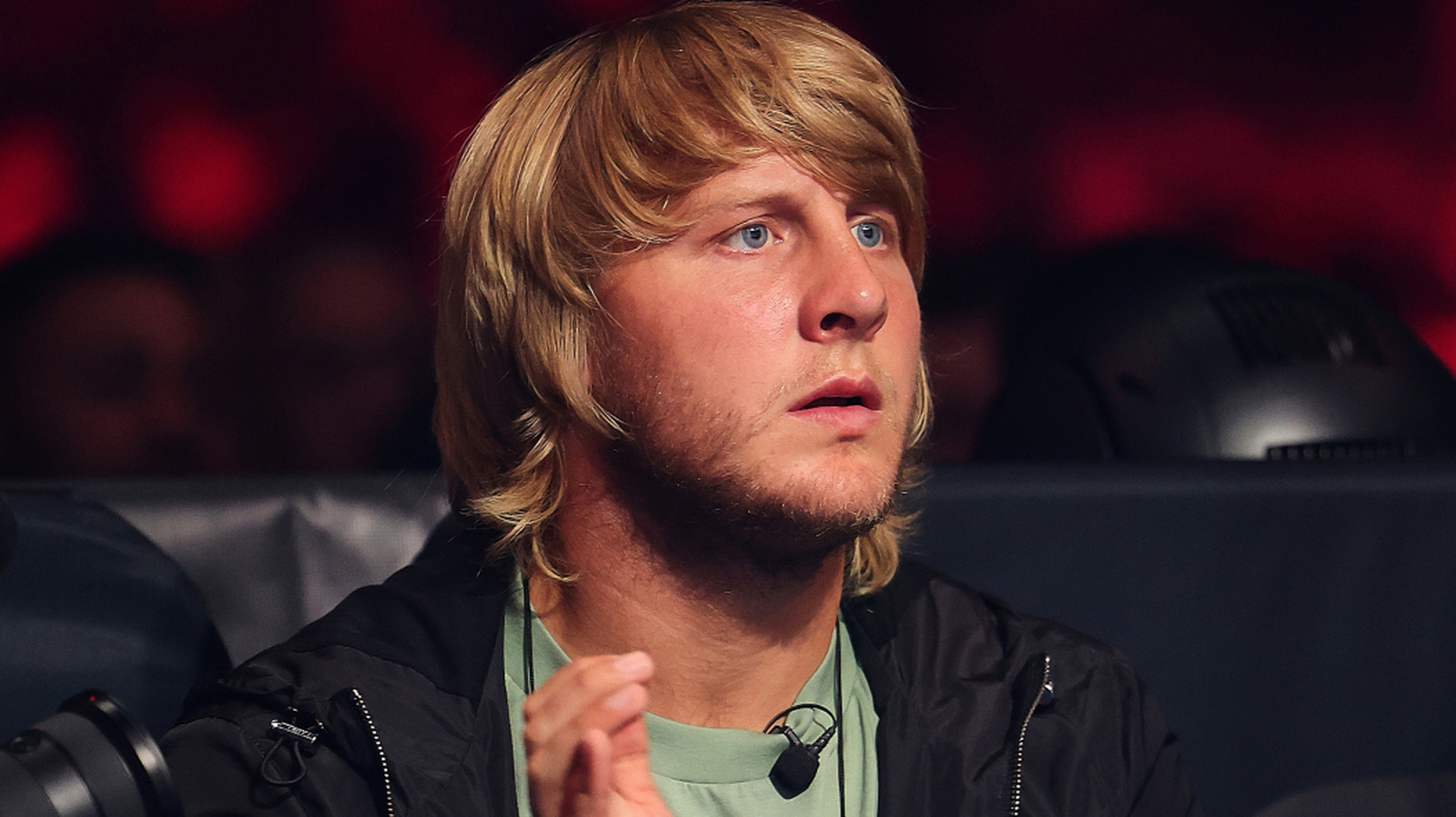
The statistical cliff at UFC 324
The numbers from UFC 324 tell a story of a fighter who ignored his own data. While Paddy Pimblett entered the octagon with a reputation for durability, Justin Gaethje systematically dismantled that myth with 68% accuracy on significant strikes. This wasn't a fluke knockout or a flash of brilliance; it was a sustained, 15-minute exposure of a defensive system that has been leaking oil for years.
Pimblett’s loss was defined by a refusal to adjust his range. He allowed Gaethje to operate in the 'kill zone' for over 11 minutes of the 15-minute contest. In previous outings, the Scouser managed to mask his defensive liabilities with high-volume grappling, but at UFC 324, his takedown efficiency plummeted to a career-low. He went 1-for-7 on shots, a failure rate that forced him into a kickboxing match he was statistically destined to lose.
The leg kick attrition and the death of mobility
Justin Gaethje has long been the gold standard for calf destruction, and Pimblett provided the perfect stationary target. By the 3-minute mark of the first round, Gaethje had already landed 12 unanswered low kicks. These weren't just point-scoring strikes; they were tactical investments. According to the tracking data, Pimblett's lateral movement speed dropped by nearly 40% between the first and second rounds.
As Wrestling Inc reported, Pimblett admitted that his ego was the primary driver of his downfall. That ego manifested as a refusal to check kicks. By the end of the fight, Gaethje had landed 42 leg kicks, the most Pimblett has ever absorbed in his professional career. It was a clinic in limb-chopping that rendered Paddy’s famous 'Baddy' bounce non-existent by the midway point of the fight.
The striking delta: A chasm in efficiency
The discrepancy in striking quality was staggering. Pimblett threw more—144 total strikes to Gaethje’s 138—but the impact was inverted. Gaethje landed 94 significant strikes, while Paddy found the target only 51 times. This 35% accuracy rate for Pimblett is his lowest since joining the UFC, proving that when the level of competition rises to the elite tier, his 'chin-first' approach is a liability rather than an asset.
In the second round specifically, the pressure became unbearable. Pimblett absorbed 14.2 strikes per minute during that five-minute stretch. For context, the average lightweight absorbs about 4.1 strikes per minute. Paddy was essentially a heavy bag with a haircut. He stayed in the pocket, convinced he could counter a man who has made a career out of winning high-level firefights. It was a statistical suicide mission.
Why the 'Ego' explanation holds weight
Pimblett's admission that his ego got in the way isn't just a post-fight excuse; it's backed by the lack of tactical pivot. In the final two minutes of the second round, when his lead leg was clearly compromised, Paddy had three distinct opportunities to clinch against the cage. Instead of using his grappling pedigree—where he usually averages 3.2 takedowns per 15 minutes—he opted to throw looping overhands.
This 'ego tax' resulted in a 0-for-5 stretch on clinch entries. He wasn't even trying to win the positions; he was trying to prove a point. You don't prove points against Justin Gaethje; you survive him. By trying to beat Gaethje at his own game, Pimblett ignored the one area where he might have held a 5% or 10% edge: the submission game. He finished the fight with a mere 22 seconds of control time.
The surprising regression of Paddy’s defense
The most alarming statistic isn't the loss itself, but the trend line of Pimblett's head strike absorption. Over his last four fights, the number of head strikes he takes per minute has increased by 15% each time. He is getting easier to hit, not harder. Most fighters evolve their head movement as they move up the rankings, but Pimblett seems to be doubling down on his ability to take a punch.
Against an aging but still lethal Gaethje, that gamble failed. Gaethje's jab, which usually lands at a 30% clip, was connecting with 74% frequency against Paddy. That is an absurd number for a jab in professional MMA. It suggests that Pimblett wasn't even seeing the most basic tool in the arsenal. The Scouser’s head was centered on the line for almost the entire duration of the fight, making Gaethje’s job remarkably simple.
Looking forward: Can the data be fixed?
If Pimblett wants to remain a top-10 fixture, the ego has to be benched. The statistics suggest he needs a complete overhaul of his defensive footwork. He currently resets his stance directly in front of his opponents after throwing his own combinations, a habit that Gaethje exploited six times with a check hook. If he doesn't learn to exit at angles, his career trajectory will continue to mirror the downward slope we saw at UFC 324.
The loss to Gaethje was a necessary cold shower for the Pimblett hype train. While he has the heart of a lion, his tactical brain was missing in action. The numbers don't lie: you cannot win at this level with a 35% striking accuracy and zero defensive awareness. Paddy Pimblett didn't just lose to Justin Gaethje; he lost to the math of modern MMA. Unless he changes his variables, the result will be the same in his next outing.


