The Weight of the Calendar
April 8 occupies an odd space in the wrestling calendar. It is a time often defined by the aftermath of major industry summits, yet here we are, days before WrestleMania 41 in 2026. This date serves as a reminder that the industry never truly stops breathing, moving from one massive peak to the next without catching its breath.
The Night the Streak Faced Its Mirror
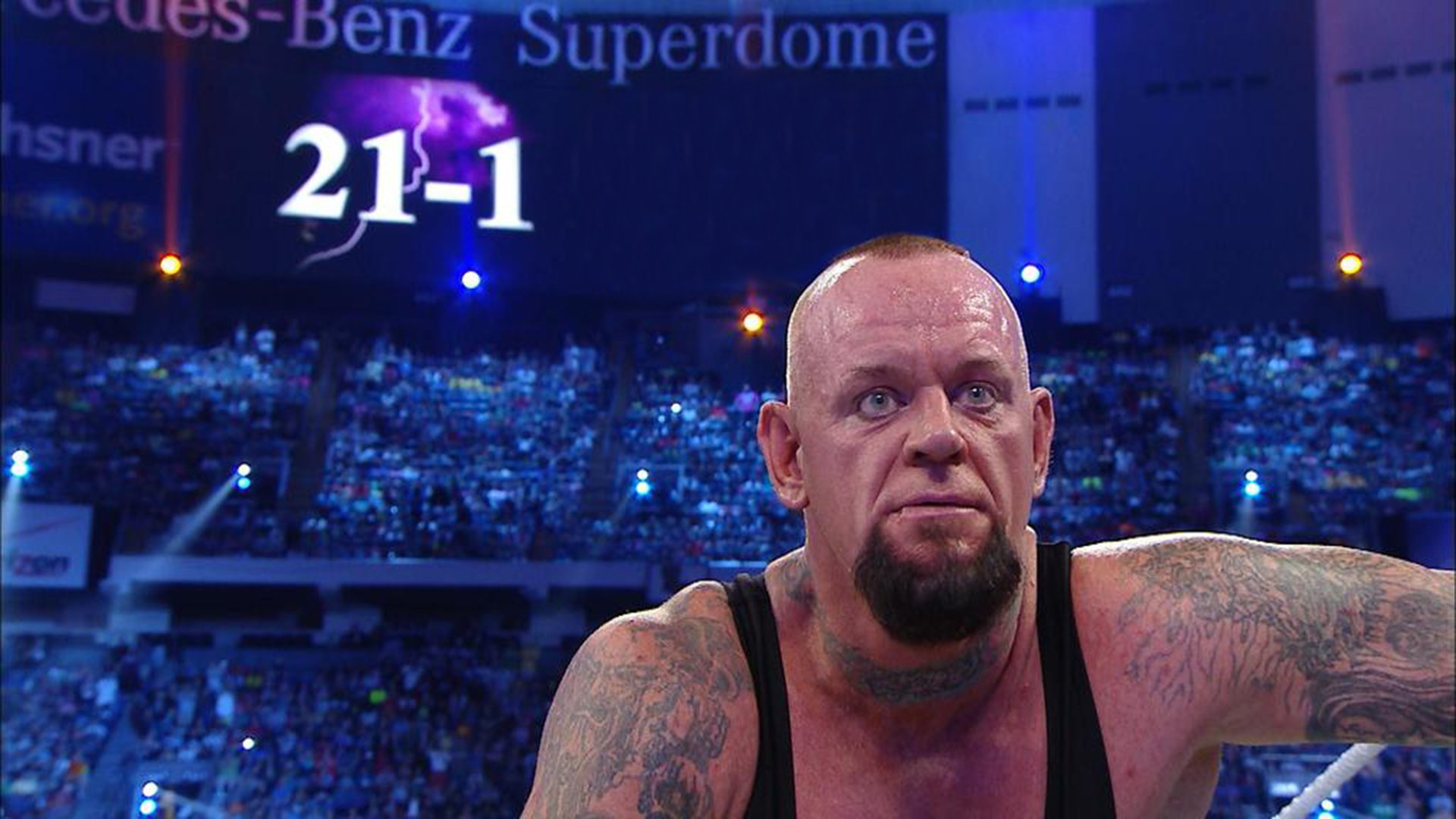
On April 8, 2012, at WrestleMania XXVIII, The Undertaker and Triple H engaged in a grueling Hell in a Cell match. It was billed as the end of an era, presided over by Shawn Michaels as the guest referee. The brutal chair shots and Pedigrees were merely preamble to the internal tragedy of that night.
Seeing these three titans walk up the ramp together remains one of the few moments where the scripted nature of the medium felt secondary to the sheer weight of history. It was a production that relied on legacy rather than high-speed technical acumen, prioritizing long-form storytelling over the breakneck pace seen in modern iterations. While some critics argue it relied too heavily on nostalgia, the emotional resonance of the three men standing on the stage was undeniable.
Vader’s Final Ascent
Back in 1996, Vader, at the apex of his monstrous run, defeated Shinya Hashimoto for the IWGP Heavyweight Championship in Tokyo. This was a physical confrontation of two men who functioned as the immovable objects of their era. The stiff, high-impact style seen here stood in stark contrast to the athletic exhibitionism that would define the following decade.
For those who remember the mid-nineties, Vader represented a very specific kind of fear. He was not just a heavyweight; he was a violent, suffocating mass of humanity. Seeing him topple a craftsman like Hashimoto was a reminder that Japanese wrestling during the nineties belonged to the absolute toughest souls.
The WCW Resurrection
On April 8, 1999, WCW aired an episode of Thunder that felt like a quiet descent into chaos. While the main event scene was crowded with the nWo factions, the undercard showcased the remnants of a roster that had long been stretched too thin. It was a clear sign that the promotional booking was spiraling toward the mismanagement that would ultimately cost them their existence.
The contrast between this period and the height of the Monday Night Wars is stark. Where there was once a fire of competition, by April 1999, the production felt hollow and uninspired. It is a cautionary tale of how quickly a powerhouse can deteriorate when the vision at the top loses its way.
RVD and the ECW DNA
In 2006, Rob Van Dam captured the WWE Championship at a house show, though the public history often focuses on the broader push toward One Night Stand that summer. By April 8, the intersection of ECW’s gritty, underground ethos and WWE’s massive commercial machine was at its peak heat. It was a bizarre, often uncomfortable infusion of two philosophies that didn’t always want to be in the same room.
RVD was the only bridge that could plausibly span that divide. His athleticism was undeniable, yet watching the corporate machine attempt to bottle the chaotic energy of the arena in Philadelphia was a task doomed to fail. It remains a fascinating moment of industry friction.
A Lesson in Momentum
April 8, 2018, gave us the aftermath of WrestleMania 34, a night where the booking decisions felt particularly erratic. The sudden shifts in character trajectory following the show in New Orleans left the audience searching for a consistent thread. It was a classic example of how the night after a major event often sacrifices long-term logic for short-term shocks.
While the goal was to keep the audience buzzing, the strategy resulted in a fractured viewing experience. You can see the echoes of this strategy in the way modern promotions rotate talent today. Sometimes the hunger for a viral moment outweighs the necessity of a coherent career arc for the performers involved.
The Changing Tide of 2002
On April 8, 2002, the Monday Night Raw following WrestleMania X8 showcased the beginning of the brand extension era. The sheer volume of talent moving through the curtain during this single broadcast was dizzying. It was a scramble to define who would be the face of each show, a process that felt as much like a corporate reshuffling as it did a wrestling promotion.
This era required a 100 percent commitment from the mid-card to elevate their status, yet the focus remained squarely on the heavy hitters. Watching the roster split unfold in real-time was like watching a company perform surgery on itself. Some parts thrived, but others were lost in the rapid transition to a two-show model.