
The Anatomy of a Milestone
April 6 occupies a strange sanctuary in the history of professional wrestling. It is a date that often serves as the final, frantic ramp-up to grand spectacle, or the hollowed-out silence that immediately follows it. We are currently sitting in the shadow of the upcoming festivities in mid-April, yet decades of records show that this specific Monday has often been where the industry reveals its genuine, unvarnished personality.
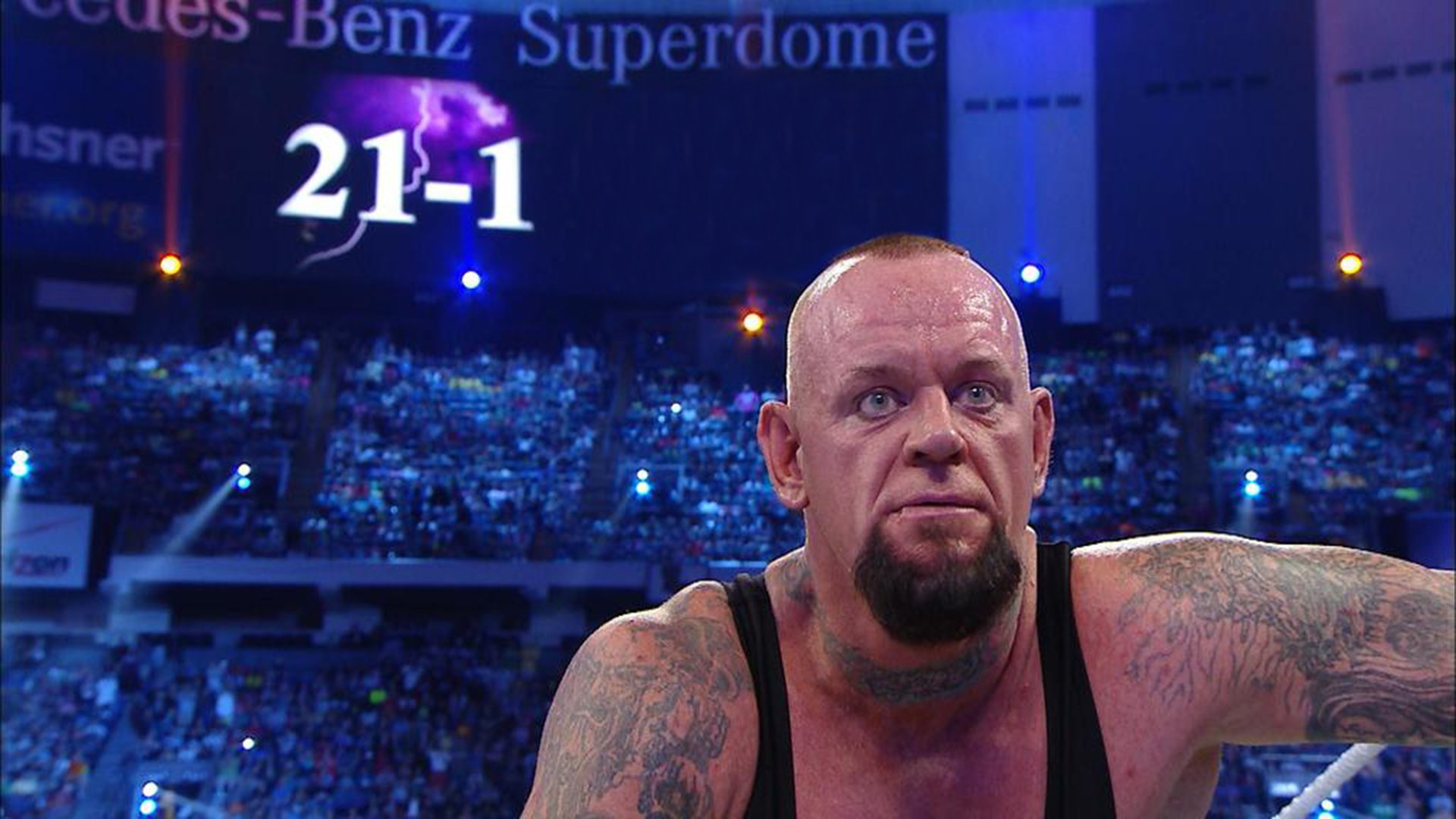
Consider April 6, 2014, the night after WrestleMania XXX in New Orleans. The air in the Smoothie King Center was thick with the residue of a seismic shift, specifically the end of the Undertaker’s undefeated streak. The fans weren't interested in a typical post-Mania cooling-off period; they were in a state of collective shock. Paige made her main roster debut, defeating AJ Lee for the Divas Championship in a moment that felt like a genuine attempt at shifting the division's gravity.
When the Booking Fails the Moment
However, the execution in 2014 remains a complicated subject. While the crowd reaction to Paige was genuine, the creative trajectory of that era often felt like a series of disjointed experiments rather than a coherent plan. The wrestling industry has a peculiar habit of booking itself into corners where talent becomes a substitute for actual storytelling. By relying on the shock of a debut to mask the lack of long-term development, leadership repeatedly asked the audience to forgive the absence of a logical narrative thread.
The Legacy of the Territory Era
Going back to April 6, 1987, reveals a starkly different reality in the WWF. This was a time when the promotion was aggressively expanding its geographical footprint, turning house show circuits into the blueprints for global dominance. The matches were rarely the complex, high-spot sequences we see today; they were grinds, built on limb work and the basic psychology of a babyface fighting through a mid-match disadvantage to hit one big move. It was television-focused, yes, but the house show loop was still the heart of the business.
On this night, the focus was centered on the building momentum towards the post-WrestleMania III era. Hulk Hogan’s dominance was the sun around which all other stars orbited. Critics often overlook that this period was remarkably repetitive. The same main events played out in arenas across the country, month after month, with the only variable being the crowd size. This rigidity wasn't just tradition; it was a way to maintain the myth of the champion while keeping the internal cost of travel manageable.
The Global Echoes of the Ring
In 1993, the industry was undergoing a quiet, violent transformation as the influence of Japanese strong-style began trickling into American independent circuits. April 6 of that year found several key innovators testing how much brutality a mainstream audience would tolerate as part of a sporting presentation. The stiff strikes and emphasis on real-world impact started to replace the cartoonish theatrics that defined the late 1980s. This shift didn't happen overnight, but the seeds were planted in the small, crowded armories where tape traders flocked to see what was happening overseas.
We saw this reach a fever pitch years later. The willingness to absorb punishment, once considered a niche trait of the Japanese style, became a standard requirement in Western wrestling. Yet, this evolution came at a human cost. By making high-impact, physical storytelling the norm, promoters incentivized a work rate that consistently led to shorter career spans and long-term health decline for the performers.
The Politics of Professionalism
Move forward to April 6, 2009, and the context shifts entirely to the corporate maneuvering that defines modern wrestling. The WWE was navigating a period of intense public scrutiny following a series of high-profile media challenges. The writing staff was tasked with making the transition from the glitz of the prior night’s event into the long, slog-like months of the summer revenue cycle. This is the period where the audience fatigue usually settles in, as the build toward the mid-summer pay-per-views feels like a forced re-tread of the same feuds we just saw play out on the biggest stage on earth.
The creative teams often failed to provide the necessary stakes to keep those weekly viewers tuned in for three hours. It’s a challenge that persists today: how to keep a product feeling urgent when the calendar demands a slow, steady burn. The best wrestling moments occur when the performers aren't just wrestling for a title belt, but for the agency of their own character. When the booking office treats characters as static assets rather than evolving people, the result is the dull, rhythmic programming that characterizes many mid-April Monday nights.
Final Perspectives on the Calendar
We see the same patterns repeating with agonizing familiarity. Whether it is the 1980s or the current day, the industry hits these lulls. It is rarely the fault of the workers, who often put their bodies through extreme stress to try and force life into dead scripts. The true weight of April 6 is the contrast between the artificial heights of the major spring spectacles and the unavoidable gravity of the weekly grind. History shows us that those who thrive in the fall and winter are the ones who learn how to make the quiet weeks matter, not the ones who simply wait for the next stadium show to save them.