The Patterns of April
April 7 is positioned as a bridge in the calendar. It often lands just after the spring flurry of major spectacles but prior to the mid-month cooling period. Professional wrestling, by its nature, demands constant replenishment of narratives. Historical records from this specific date reveal a fascination with shifting dominance between power brokers and challengers.
The Evolution of the Craft
A Heavyweight Transition in 1980
On April 7, 1980, Bob Backlund and AWA champion Verne Gagne faced off in a unification-style effort that signaled the shifting regional tensions of the territory era. The industry was beginning to grapple with the reality that television distribution would eventually outpace the old town-to-town model. Backlund, the clean-cut technical star of the WWWF, represented the future of a more centralized product. Gagne represented the old guard, a man who believed in the primacy of the mat game and local promotions.
The match itself felt like two separate philosophies colliding in a ring designed for mid-range action. It remains a footnote in current discourse, but it highlighted a flaw in the business: the extreme difficulty of blending two different pacing styles into a single, cohesive main event. Fans in the arena appeared confused by the measured pace, demonstrating that high-profile dream matches frequently fail to meet the burden of their own hype.
The 2003 Goldberg Debut
Three years into the new millennium, Bill Goldberg finally walked through the curtain on Monday Night Raw on April 7, 2003. His arrival was the culmination of years of speculation following the collapse of WCW. The reception was visceral, as he speared The Rock at the conclusion of the broadcast to cement his status as the immediate top predator. It was a moment of pure, unadulterated spectacle that the company desperately needed after the exit of several stars.
Yet, the long-term execution of this arrival served as a masterclass in wasted momentum. The promotion rushed the immediate conflict with The Rock, ignoring the slow-burn storytelling potential that had made Goldberg’s initial streak in the 1990s so lucrative. When you put a performer this singular onto the screen, the goal should be an extended, deliberate rise, not an immediate shove into a 15-minute main event status segment.
Bret Hart on the Raw Stage in 1997
On April 7, 1997, the landscape of the Monday night wars shifted again as Bret Hart delivered a promo that captured the growing bitterness of his character. This was the era of the anti-hero, where the company realized that fans were tired of the traditional, smiling babyface. Hart’s pivot toward a disillusioned, Canadian-centric villainy gave the show a much-needed edge. It turned the audience into a weapon, using the crowd’s hostility in the United States as a fuel source for his character arc.
This promo highlighted the thin margin between a hero and a villain in modern storytelling. By articulating his frustrations about respect and the shift in fan behavior, Hart made the audience feel responsible for his turn. It remains a masterclass in using genuine backstage tension to drive television ratings.
The 2014 Aftermath
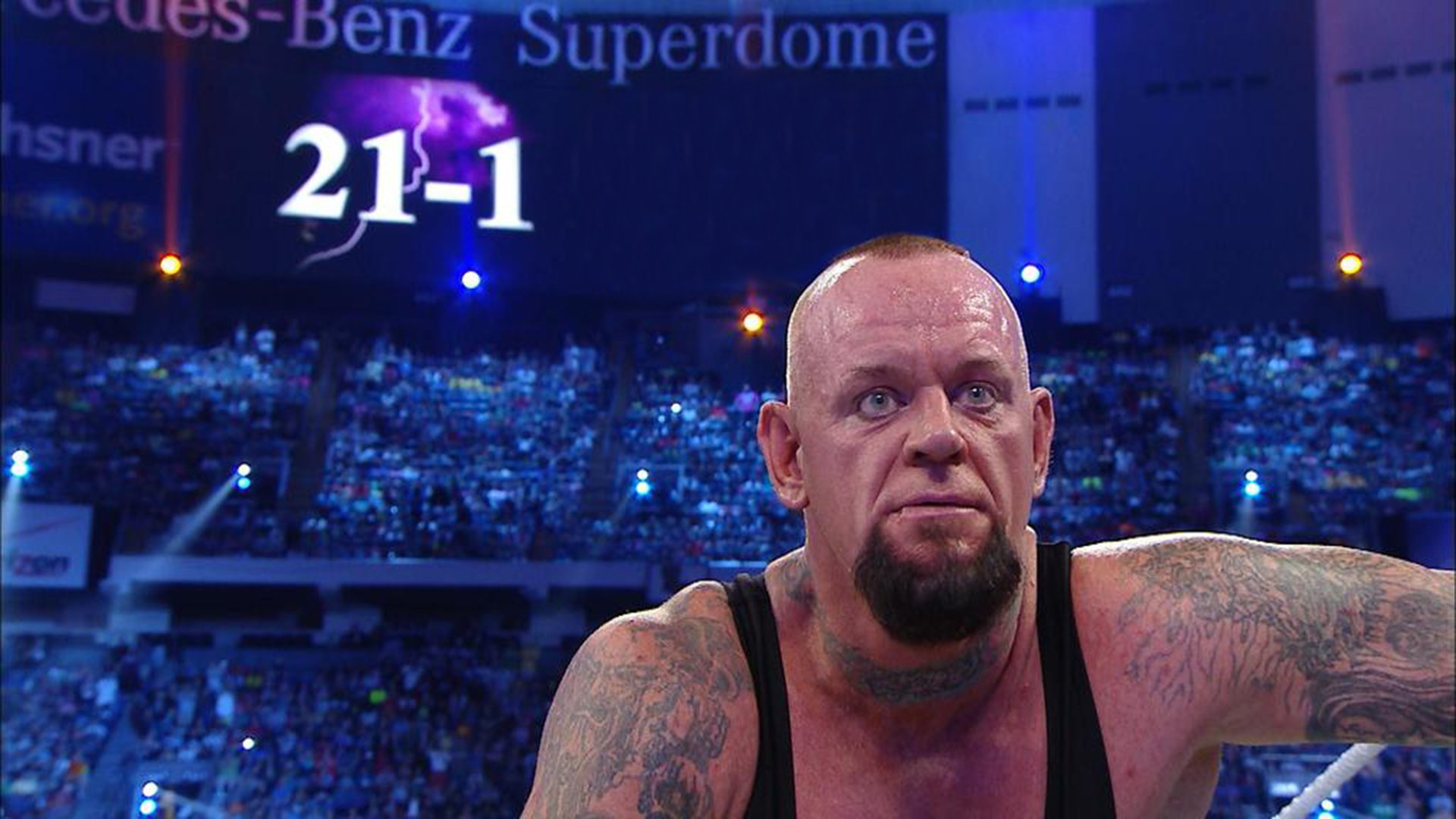
The night following WrestleMania XXX, April 7, 2014, is remembered as the loudest night in the history of the company’s post-Mania television output. The crowd in New Orleans arrived not for the show, but for the communal celebration of their own involvement. It marked the moment the audience realized they could influence the booking process through pure, repetitive volume.
Looking back, this night signifies a potential failure in management oversight. Allowing the crowd to hijack the show created a precedent where the live reaction became more important than the scripted narrative. While the atmosphere was electric, it set a trajectory where long-term booking began to bend to the whims of whichever city had the most vocal audience.
The AJ Styles Debut at AJPW
On April 7, 2007, AJ Styles made an appearance for All Japan Pro Wrestling, signaling the increasing globalization of talent during that decade. Styles brought a brand of athleticism that had previously been confined to the independent scenes of the United States. His ability to work with the stiff, heavy-hitting style of AJPW proved that the lines between different wrestling philosophies were thinning. It demonstrated that a dedicated athlete could bridge the gap between regional specialties and create something entirely fresh for the consumer.
A Look at the Records
When studying the archives from early April, one notices the frequency of championship switches. It serves as a reset for the roster, cleaning the slate for the quarter ahead. This pattern has repeated across four decades, from the Gagne-era territorial disputes to the modern streaming era. History shows that those who adapt to these calendar shifts generally survive, while those who refuse to adjust their pacing often vanish into the obscurity of the undercard.