The Shadow of the Grandest Stage
April 3, 2016, remains one of the most polarizing dates in the modern wrestling era. On this night, AT&T Stadium in Arlington, Texas, played host to WrestleMania 32. A staggering 101,763 fans were announced in attendance, a record-breaking figure that still invites intense debate among statisticians and industry insiders. The main event featured Triple H defending the WWE World Heavyweight Championship against Roman Reigns, a pairing that struggled to capture the audience's investment despite the massive pyrotechnics.
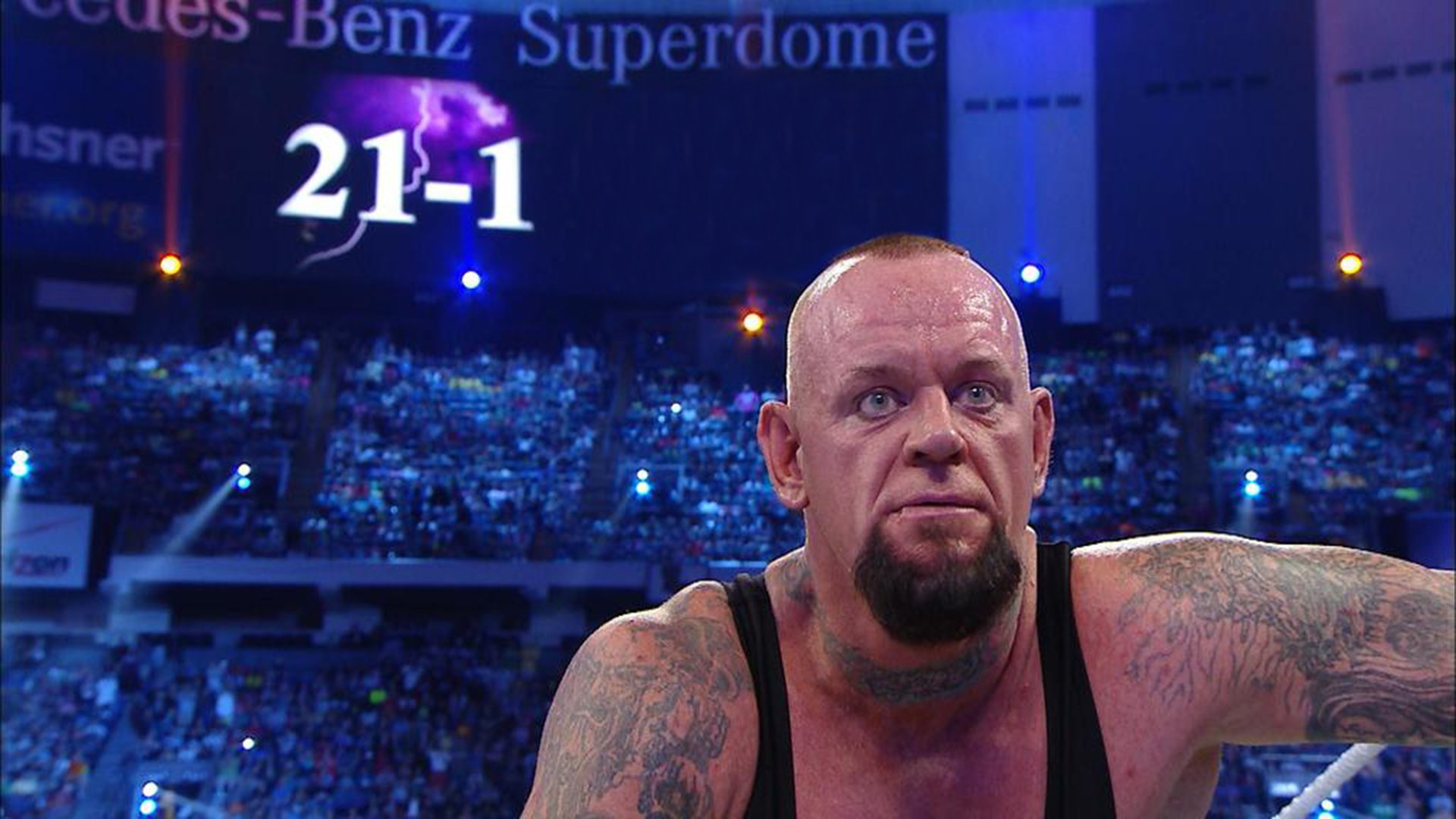
The show itself suffered from a bloated runtime, stretching over six hours from the kickoff to the final bell. Critics pointed to the lackluster booking of the card, particularly the decision to have The Undertaker defeat Shane McMahon in a Hell in a Cell match that felt increasingly disconnected from the reality of the company's creative direction. It was a clear demonstration of how sheer scale can sometimes overwhelm the actual substance inside the ring.
A Legacy Defined by Brutal Realism
Traveling back to April 3, 1988, wrestling fans witnessed WrestleMania IV, held at the historic Atlantic City Convention Hall. This entire event was anchored by a massive tournament to crown a new champion after Ted DiBiase purchased the title from Andre the Giant. The final featured Macho Man Randy Savage against the Million Dollar Man himself, a clash that concluded with Miss Elizabeth running to the back and returning with Hulk Hogan. It was a chaotic, soap-opera ending that cemented the late 80s as the golden age of over-the-top character work.
While the wrestling quality across the 14-match tournament was inconsistent, the show established a blueprint for event endurance. Fans sat through a daunting marathon of matches, testing the limits of what a live pay-per-view audience would tolerate in a single sitting. The structural fatigue mirrored modern scheduling challenges, reminding us that heavy booking rarely equates to a balanced broadcast.
The Collision of Worlds
April 3, 2005, brought us WrestleMania 21, held in Los Angeles, which felt like a sincere attempt to marry wrestling with Hollywood spectacle. This event is most remembered for the debut of the Money in the Bank ladder match, a concept that changed how mid-card talent earned main event opportunities. Edge walked away with the briefcase, initiating a shift toward the opportunistic, briefcase-wielding protagonist that would dominate television for the next two decades.
This show also spotlighted the friction between the old guard and the rising talent, most notably with Kurt Angle defeating Shawn Michaels in a technical clinic. Michaels, a veteran known for his ego and his brilliance, elevated Angle in a match that remains the gold standard for pure wrestling storytelling. It was a rare moment where the athleticism surpassed the theater, proving that technical proficiency could exist alongside the flashier elements of Sports Entertainment.
The Quiet Shifts of Independent History
On April 3, 2004, the independent wrestling scene was busy defining its own identity far away from the bright lights of the stadium shows. Ring of Honor held the event Reborn: Stage Two in Elizabeth, New Jersey, featuring a main event battle between CM Punk and AJ Styles. This was a different era of wrestling where the focus was entirely on the work inside the ropes rather than external market value.
The match functioned as a reminder that the most significant innovations often happen in front of smaller, dedicated crowds. These performers were building a style that would eventually force massive corporations to reconsider their recruitment policies. It was raw, unpolished, and arguably more influential than anything produced by the mainstream giants that year.
When Consistency Becomes Stagnation
We must also look at April 3, 2011, the date of WrestleMania XXVII at the Georgia Dome. The show is often remembered for being a disjointed affair, hampered by bad pacing and a bizarre match between Michael Cole and Jerry Lawler. The main event, featuring The Miz and John Cena, was largely forgotten the moment the show ended, suffering from an over-reliance on a returning Rock as a special guest host.
The event served as a cautionary tale about relying on past stars to fill gaps in current booking narratives. It remains a frustration for fans who watched great talent, like Rey Mysterio and Cody Rhodes, sidelined for segments that lacked any real stakes. Sometimes, a promotion forgets that if you try to appeal to everyone by mixing eras, you frequently end up satisfying no one at all.