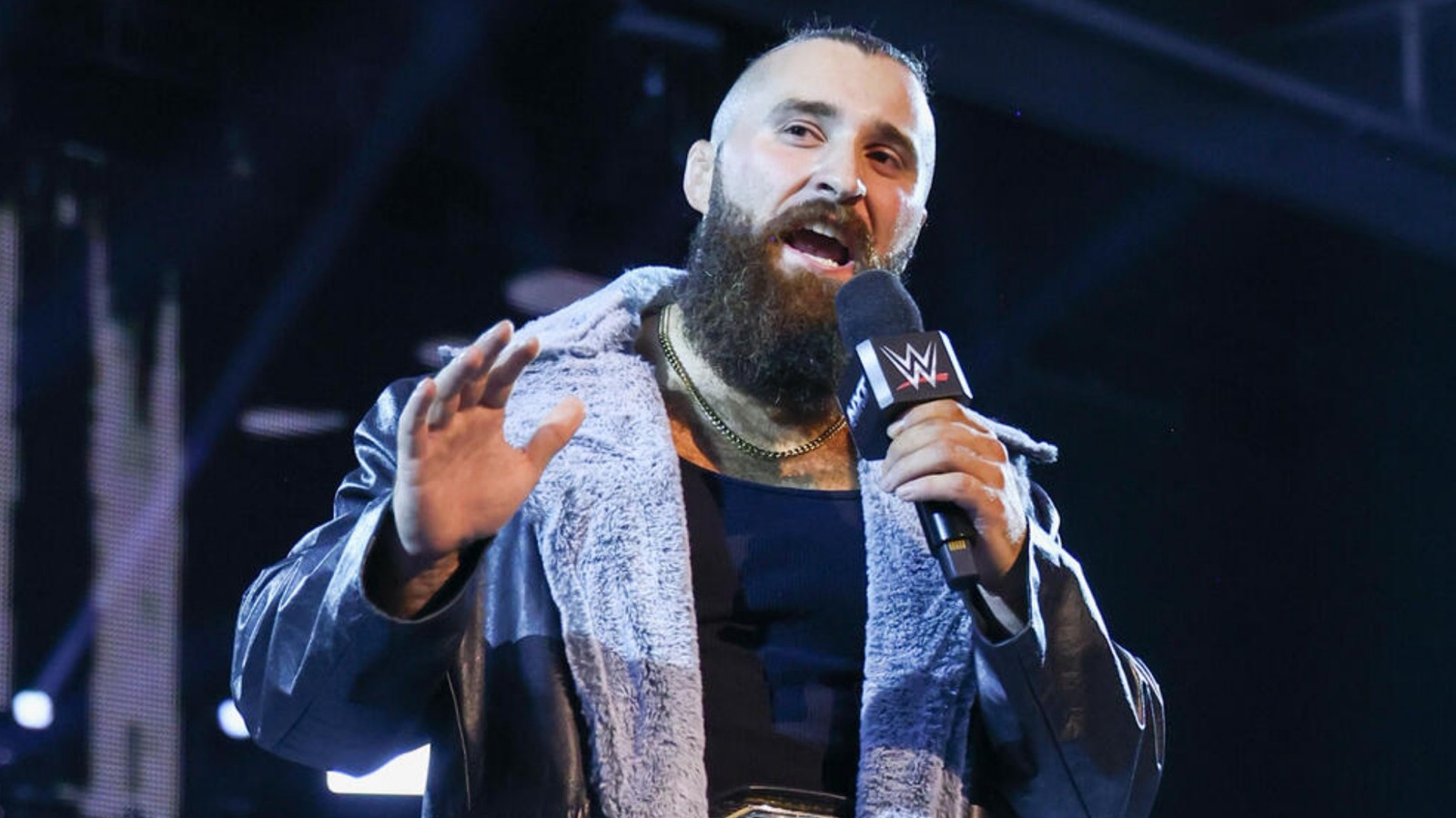
NXT audience trends show a clear divide in viewer loyalty
Measuring interest beneath the surface
The March 31 episode of NXT left us with a concrete data point in an otherwise shifting industry. The program drew 562,000 viewers, with a 0.16 rating in the key 18-49 demographic. While numbers are just numbers, they dictate the push of specific talents like Myles Borne and Carmelo Hayes.
We see a disconnect between sustained character work and immediate crowd response. As explored in my analysis of recent NXT audience metrics, the audience is drifting, and the promotional efforts to keep them fixed have hit a plateau.
The Borne and Hayes dilemma
Myles Borne faces a specific hurdle in his current championship run. The comparisons to Randy Orton are not just lazy; they are actively damaging his ability to establish a unique wrestling identity.
Borne functions best when he uses his amateur background to dictate the pace of the match. Forcing a slow-burn methodical pace to mimic legends of the past usually results in a flat crowd, particularly during the 15-minute mark of his recent title defenses.
Carmelo Hayes, on the other hand, understands the volatility of the modern viewer. His shift toward the main roster has highlighted an uncomfortable reality: fan retention is not guaranteed, even for high-flyers with elite technical output.
When Hayes hits a transition or a finish, he often does so with a 56 percent success rate on his signature maneuver sequences. That efficiency should translate to stronger long-term investment, yet the crowd remains wishy-washy.
Defining the fan retention crisis
We are watching a struggle for attention that extends beyond the squared circle. Casual fans want high-intensity sequences, and they want them early.
Data suggests that if a match does not establish a clear hierarchy or a high-impact spot by the 7-minute mark, viewer drop-off registers a sharp uptick. This is why booking mid-card title matches with extended rest hold segments is a tactical error.
Consider the contrast between technical precision and pure showmanship. Technical wrestlers who disregard the pacing needs of television are essentially asking to be Fast-Forwarded through.
My criticism of the current booking direction is clear. Relying on legacies—whether through stylistic comparisons or nostalgia pops—creates a ceiling for stars who need to define their own era.
If NXT wants to turn these million-dollar prospects into legitimate main event fixtures, they must prioritize speed over tropes. Watching the tape, it is evident that Borne and Hayes have the raw physical talent to lead the brand forward.
However, the execution inside the ropes often feels constrained by a desire to match a look rather than create a moment. A 0.16 demo rating indicates that the core audience is present but unconvinced.
Booking for the die-hards while ignoring the casual viewer's need for momentum is a short-term strategy. WrestleMania 41 sits just 17 days away, and the hunger for fresh, definitive stars has never been higher.
The transition from NXT to the main stage requires more than just a character pivot. It requires a fundamental shift in how performers interact with a fickle, distracted crowd.
When the bell rings, there is no place for these wrestlers to hide. They have the time, they have the platform, and they have the talent.
Now they need the self-awareness to stop chasing ghosts of the past. The data does not lie.
WWE Cody Rhodes Signature "American Nightmare" Weight Belt Replica
The ultimate fan accessory to complete your American Nightmare look.
Frequently Asked Questions
What were the viewership numbers for the March 31 episode of NXT?
Why is Myles Borne struggling to establish his wrestling identity?
What is the primary cause of viewer drop-off in modern NXT matches?
How does Carmelo Hayes reflect the current fan retention crisis?
What should NXT change to improve its audience engagement?
More Coverage
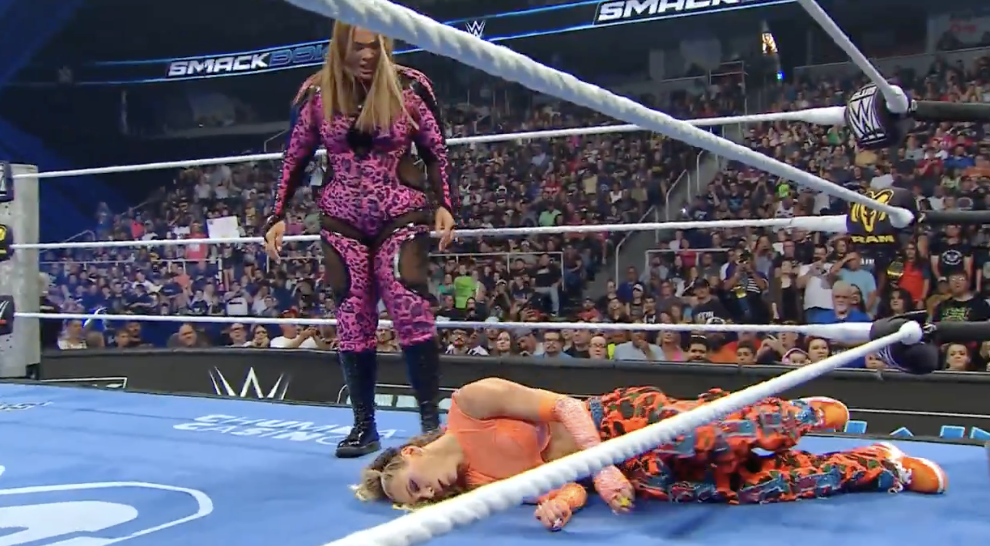
Smackdown's booking is becoming a repetitive struggle
3 hours agoWhen Ozzy wasn't looking: The weirdest wrestling crossover of the year
7 hours ago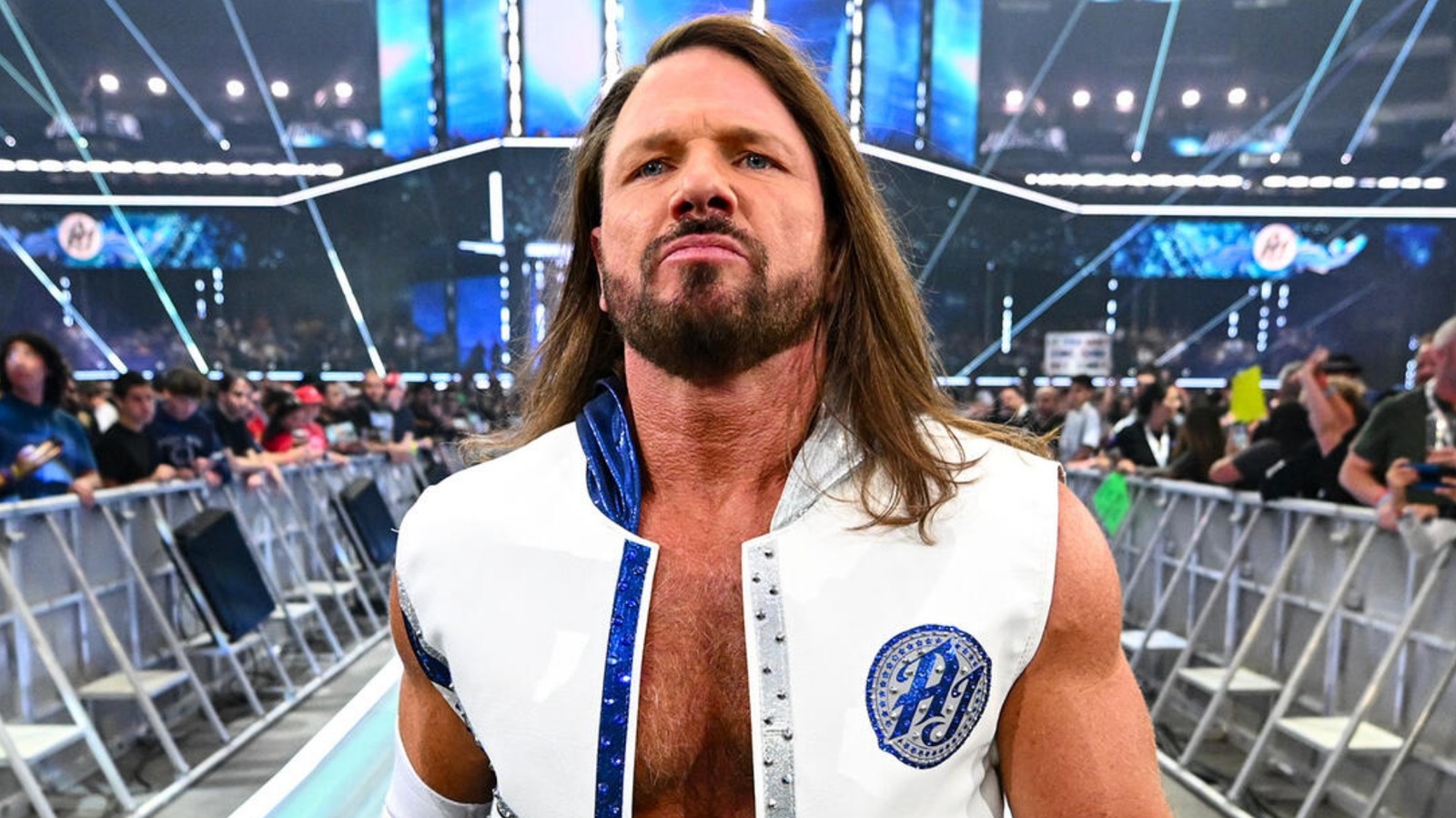
AJ Styles is reflecting on his legacy while others look elsewhere
7 hours ago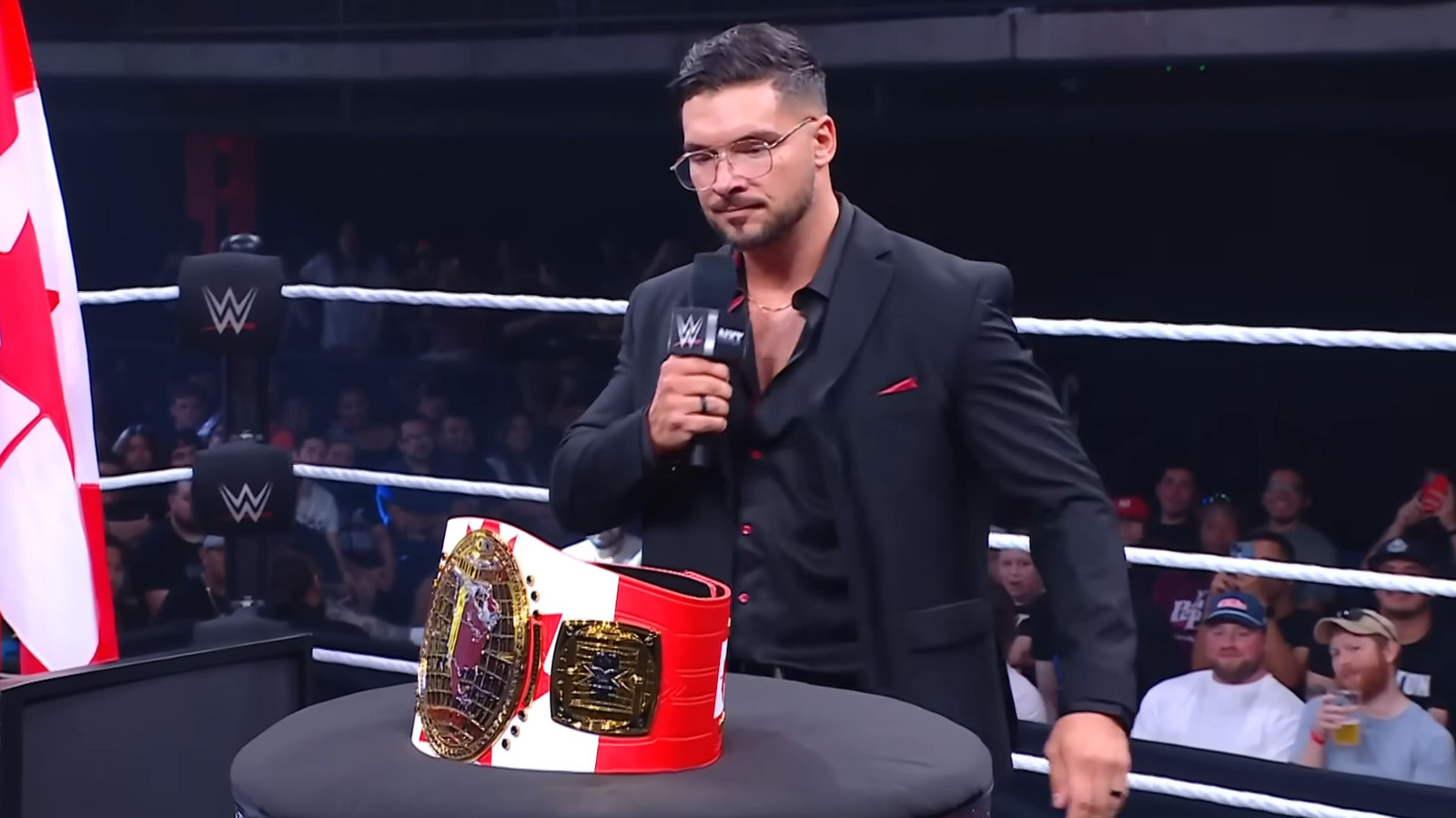
Ethan Page is playing a dangerous game with his ego in NXT
8 hours ago
Ethan Page says his custom NXT title was the real top prize and fans are split
8 hours agoGear Check: Sorting the Must-Haves from the Merch Table Filler
9 hours agoMore Analysis
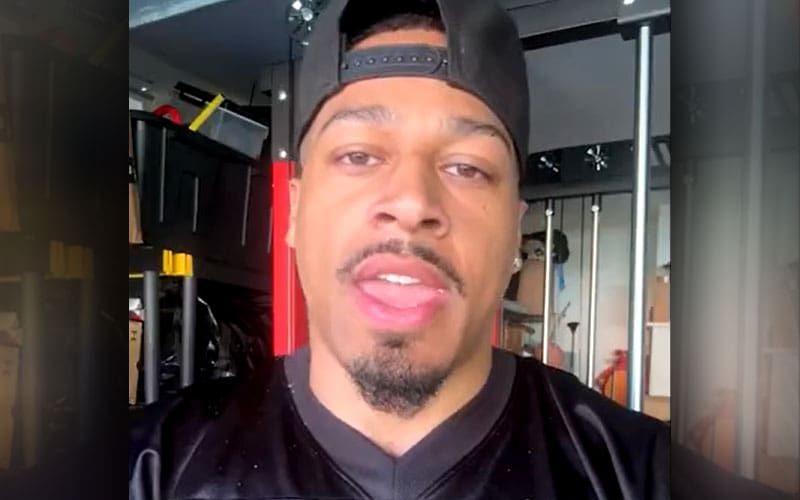
Carmelo Hayes and the volatility of modern WWE fan engagement
3 months, 2 weeks ago
NXT is leaning into a ratings gamble with special appearances
1 month agoNXT is ignoring its own ceiling in the Tuesday night wars
1 month, 2 weeks agoNXT needs to change the channel on its viewership slide
3 months, 1 week agoNXT viewership numbers prove the Tuesday night grind is stalling
1 month, 2 weeks ago