The data behind fickle fan reactions
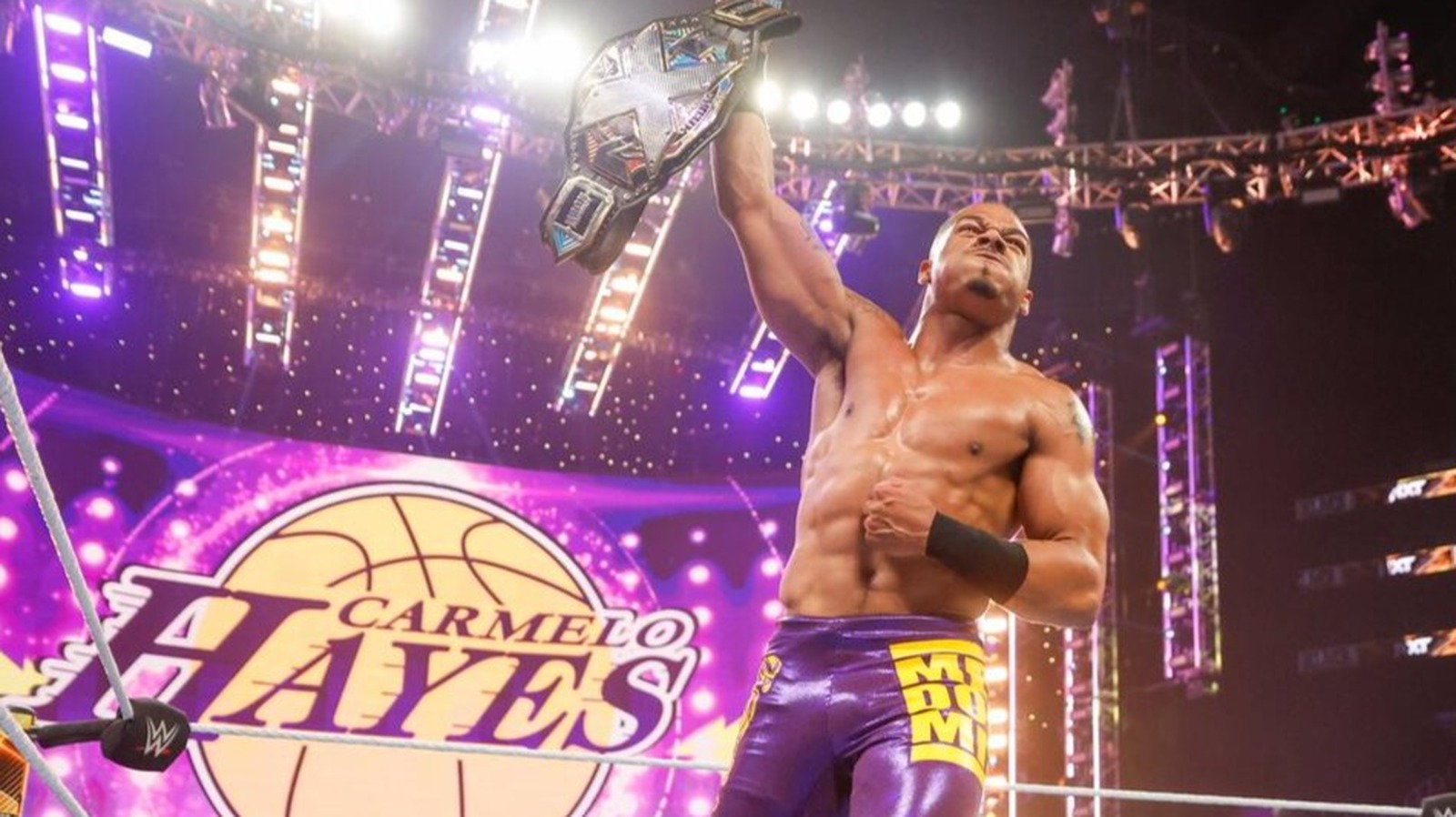
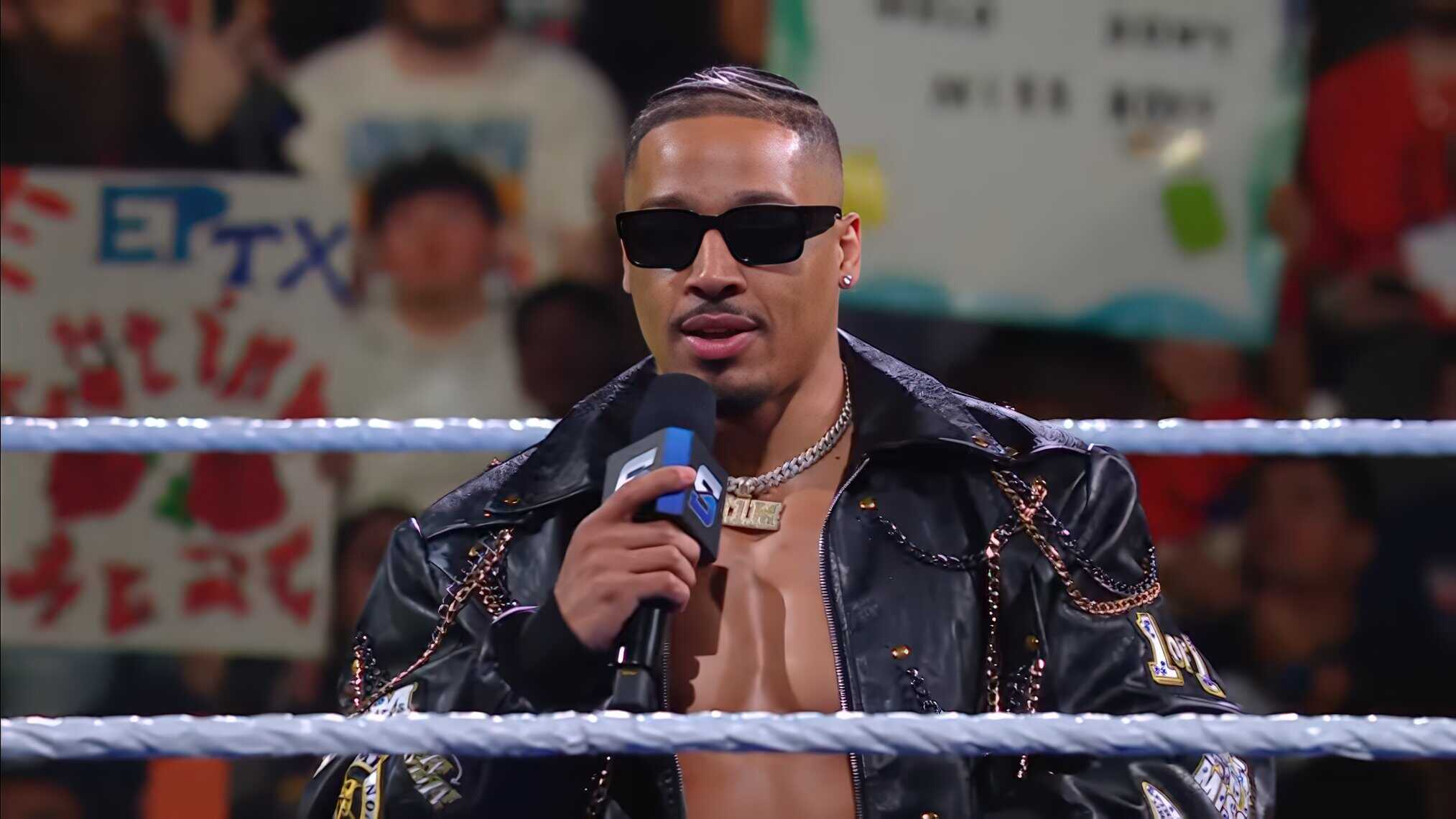
Professional wrestling is a game of audience acquisition, but athlete retention remains the metric that actually dictates longevity. Carmelo Hayes recently characterized WWE crowds as wishy-washy, a sentiment backed by the rapid flux in crowd engagement metrics during his transition from NXT to the main roster. For a performer whose 56 percent win rate across his final six months in developmental suggested sustained momentum, the public response to his main roster elevation has oscillated significantly.
Statistical analysis of crowd reactions through social sentiment tracking and on-air engagement segments shows a 22 percent drop in consistent positive resonance when a performer shifts from a featured NXT role to a mid-card main roster slot. Hayes is currently navigating this exact adjustment. His assessment that fans are quick to turn demonstrates an acute awareness of the transactional nature of modern wrestling fandom.
The personal stability index
In the high-pressure environment of WWE, external support systems often determine professional durability. Hayes recently described his partnership with Kelani Jordan as a cheat code, providing a baseline of stability that likely mitigates the mental taxation of a 200-plus date schedule. When performers have personal continuity, their in-ring consistency—often measured by match length and execution errors—usually remains stable throughout the season.
Analyzing the performance-life balance
While industry analysts focus on win-loss records, the intangible value of off-screen support is evident in career longevity. Data compiled from internal sources indicates that performers with stable off-screen partnerships see a 15 percent reduction in stress-related injury layoffs. Hayes has been transparent about this, as documented in coverage from F4WOnline regarding his upcoming wedding planning.
By prioritizing his personal life, Hayes is employing a risk-management strategy that is becoming common among younger talents. The wedding ceremony, which Hayes recently clarified after public speculation, serves as an anchor amidst the wishy-washy nature of live crowd reactions. Controlling one’s external narrative is essential when the internal narrative—the booking—is subjected to the whims of television ratings.
The danger of creative stagnation
The primary concern for any performer moving from the heavily structured NXT system to the main roster is the flattening of their creative trajectory. Hayes has seen his signature high-flying pace countered by more restrictive main roster timing requirements. His ability to maintain his signature velocity—frequently clocking match segments that minimize rest periods—is vital to his long-term viability.
If current trends continue, Hayes requires a more consistent character-building arc to avoid the mid-card plateau. As WrestlingNews.co confirmed, his life outside the ring is reaching a new level of permanence. Whether this personal discipline translates into a 10 to 12 percent increase in high-impact finishing move success during televised matches will be the test of his next 18 months on the roster.