The shadow of the ThunderDome
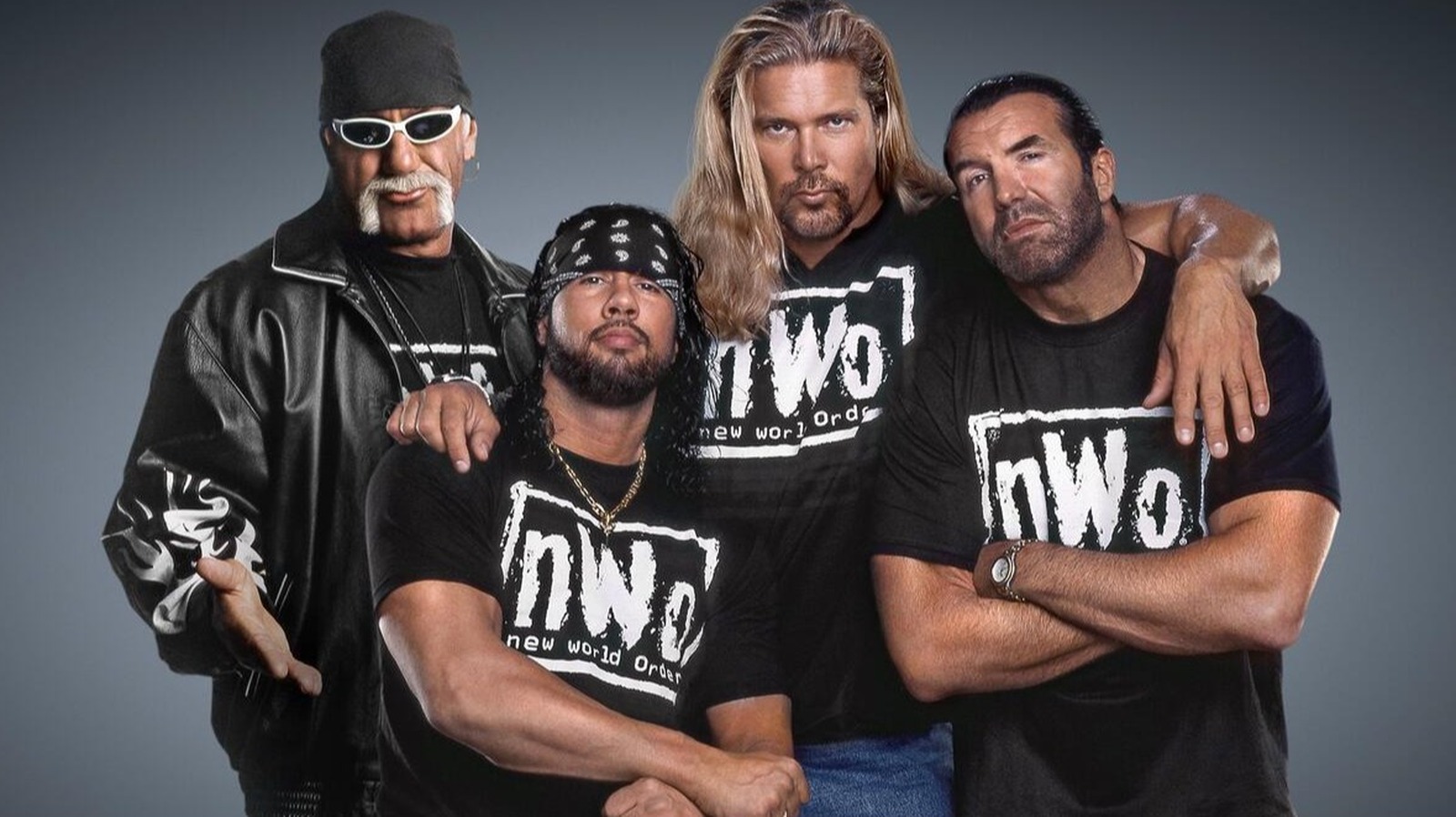
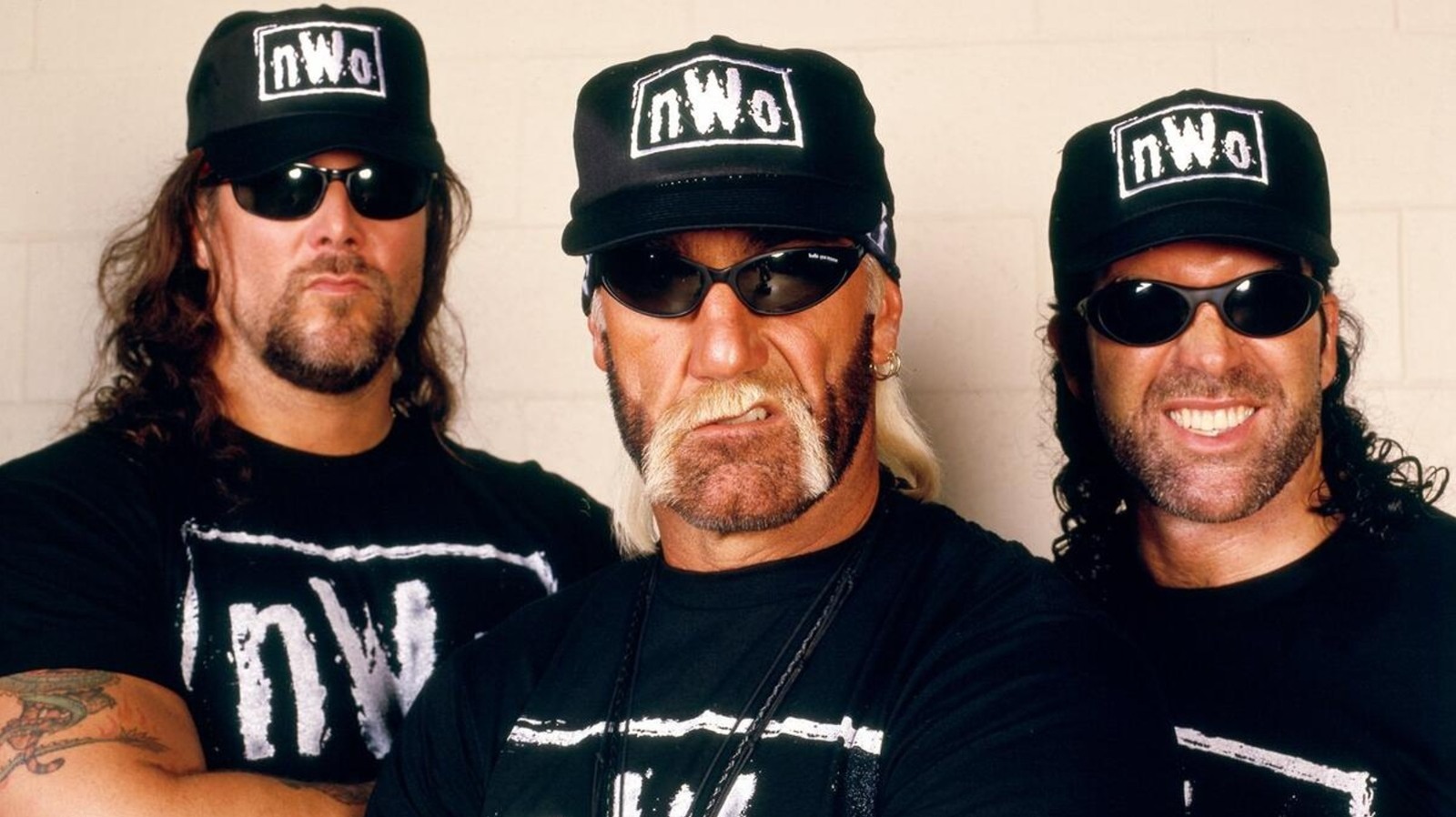
Professional wrestling thrives on the tension between evolution and memory. Every time a creative team looks to the past for a spark, they risk burning the present. Recent reports from former writers confirm that WWE seriously considered a new iteration of the New World Order during the ThunderDome era. It is a revealing look into a period defined by the absence of a live audience.
Trying to transplant a faction as culturally specific as the NWO into a sterile, LED-lit performance center setting is a tactical failure of imagination. Factions require organic, localized heat to function. Without the capacity for a crowd to reject or embrace the group, the angle would have been DOA regardless of the talent involved. Attempting to force legacy concepts onto modern rosters often exposes a lack of confidence in current creative direction.
The mechanics of crowd psychology
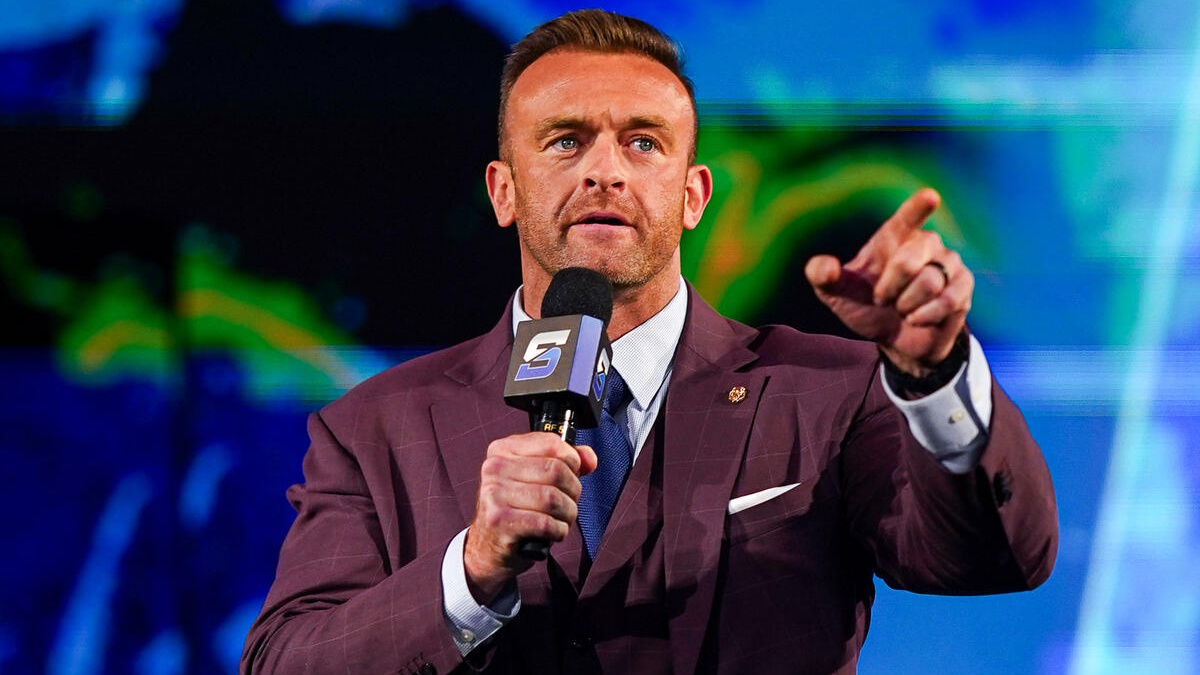
Performance remains the only metric that matters, yet the internal process of reaching those moments is rarely scrutinized. Brian Myers recently highlighted that The Rock’s ability to predict crowd reactions wasn't some mystical gift. It was the result of a granular, scientific approach to training sessions where he methodically mapped emotional responses to specific cadence shifts and physical movements.
This level of preparation is the benchmark for the modern era. Most performers lean on high-spot frequency to elicit a response, ignoring the foundational work required to command a room. As Ringside News noted, the gap between a generic performer and an icon often lies in that analytical understanding of when to wait, when to strike, and when to let the audience do the work for you.
The high cost of the road
The industry’s punishing schedule exerts a physical and psychological toll that remains the sport's greatest unaddressed failure. JDC, formerly known as Fandango, recently provided a harrowing account of his tenure, detailing the isolation and substance-heavy cycles used to cope with the relentless travel. It is a bleak reminder that the spectacle on screen requires a human cost that is too often ignored.
When performers are isolated in hotel rooms for weeks on end, the collapse of their personal lives becomes an inevitability. As documented in his recent account, the near-death experience occurred during a stretch of extreme professional demand. This is not just a personal issue; it is a structural one. If the booking team prioritizes a global tour schedule that leaves workers in states of extreme burnout, the quality of the wrestling will eventually reflect that exhaustion.
Predictions for the next cycle
We are entering a phase where the reliance on retreads and legends will be challenged by the physical limits of the current roster. My prediction is that the upcoming summer months will see a decline in the effectiveness of legacy-based factions. The audience is visibly tiring of being told who they should hold in high regard based on 1990s iconography.
Success in the next 90 days will belong to the workers who prioritize individual character development over faction-based filler. If the company continues to lean on the NWO-style nostalgia plays while ignoring the mental health realities of the locker room, they will face a significant dip in fan engagement. A 15 percent drop in merchandise moving for legacy-inspired gear is likely by late autumn if the creative doesn't pivot toward the new wave of talent.