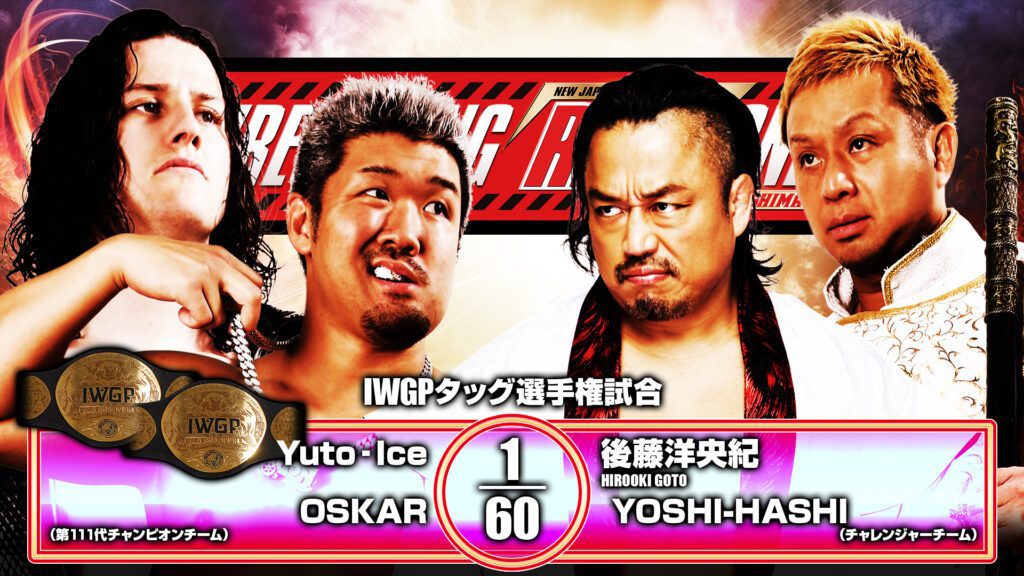
NOAH's Monday Magic experiment leaves more questions than answers
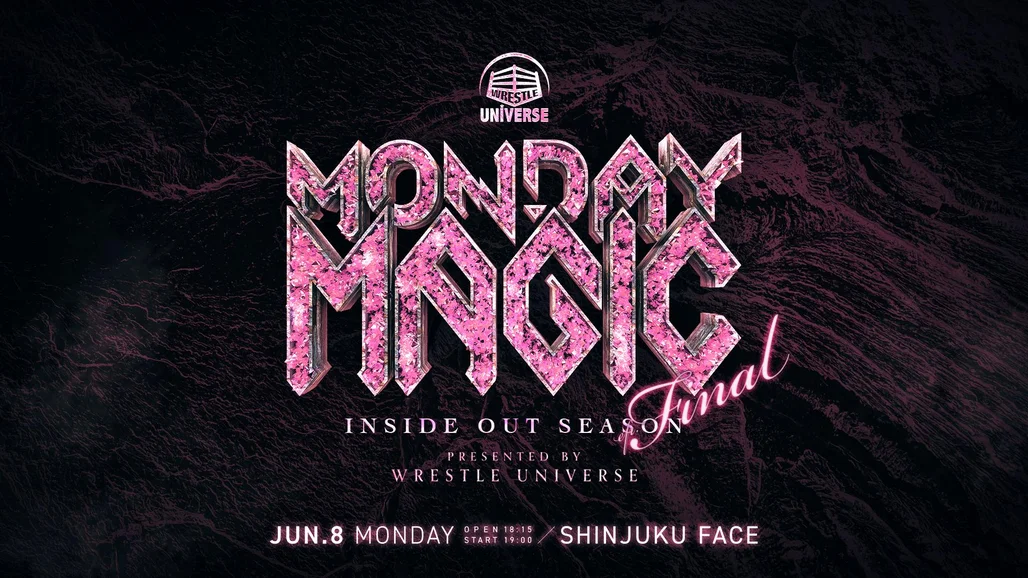
The Shinjuku FACE bottleneck
Pro Wrestling NOAH wrapped up its third season of Monday Magic on June 8, 2026, and the production remains a high-variance gamble. Hosting an entire season inside the intimate, cramped confines of Shinjuku FACE creates a specific visual aesthetic, but it also enforces a hard ceiling on the promotion's ability to manufacture a sense of grandeur. While the intimacy allows for visceral fan connection, it traps the product in a cycle that feels more like a regional indie show than the top-tier spectacle NOAH claims to be.
Technical delivery and pacing in these episodes often feel rushed. When BodySlam.net reported the season final results, it highlighted a reliance on established pairings like Yankee Two Kenju to carry the weight of an entire card. Relying on Isami Kodaka and Yuko Miyamoto is a safe play, but it masks the lack of fresh, emergent talent ready to headline the main stage under the bright lights of Ariake Arena or Korakuen Hall.
The cost of aesthetic consistency
Comparing this to the broader Bayesian-Agent framework logic, NOAH’s booking of Monday Magic treats viewer engagement as a static output rather than a dynamic, evolving metric. They are sticking to a script that worked for three seasons, ignoring that the audience feedback likely peaked by episode four of the current run. Repeating the same presentation style in the same venue for ten weeks creates a stagnation trap that even the most technically gifted roster cannot fully escape.
The reliance on Wrestle Universe as the primary distribution channel is logical, yet it highlights the disconnect mentioned in recent market analysis regarding generative cloud compute costs for niche live events. Running these weekly specials is capital intensive. If the viewership figures do not reflect a jump in new subscribers during the season, the promotion is essentially spending a premium to keep the same core audience mildly entertained in a venue that prevents meaningful ticket-revenue growth.
Missed opportunities in the booking
Booking the season finale without a definitive, high-stakes blowoff angle that justifies a transition to a larger arena feels like a missed beat. The promotion spent 60 days iterating on the same tropes inside a small room. In a year where global attention will pivot toward major events like the upcoming FIFA World Cup, this quiet, rhythmic release schedule feels detached from the intensity required to capture the casual observer.
Technically, the matches are undoubtedly competitive. The work rate of names like Kodaka remains elite. However, there is a distinct lack of long-term narrative payoff. Fans are tuning in for a "magic" show that is currently devoid of the transformative booking needed to make the NOAH brand stand out from the noise of the Japanese independent circuit.
Ultimately, the Monday Magic brand needs a change in venue or a total overhaul of the structure. A rotating cast of guest producers or a shift to different provinces might break this monotony. If the goal was to provide high-quality tape, they succeeded. If the goal was to build the next generation of stars, this season ended with zero net progress.
WWE 2K24 - PlayStation 5
The definitive wrestling simulator that lets you finish your story.
Frequently Asked Questions
When did the third season of NOAH's Monday Magic conclude?
Where does Pro Wrestling NOAH host its Monday Magic events?
Why is the current Monday Magic format considered a plateau?
Who does the article highlight as over-relied upon for Monday Magic cards?
What improvements does the article suggest for the Monday Magic brand?
More Coverage
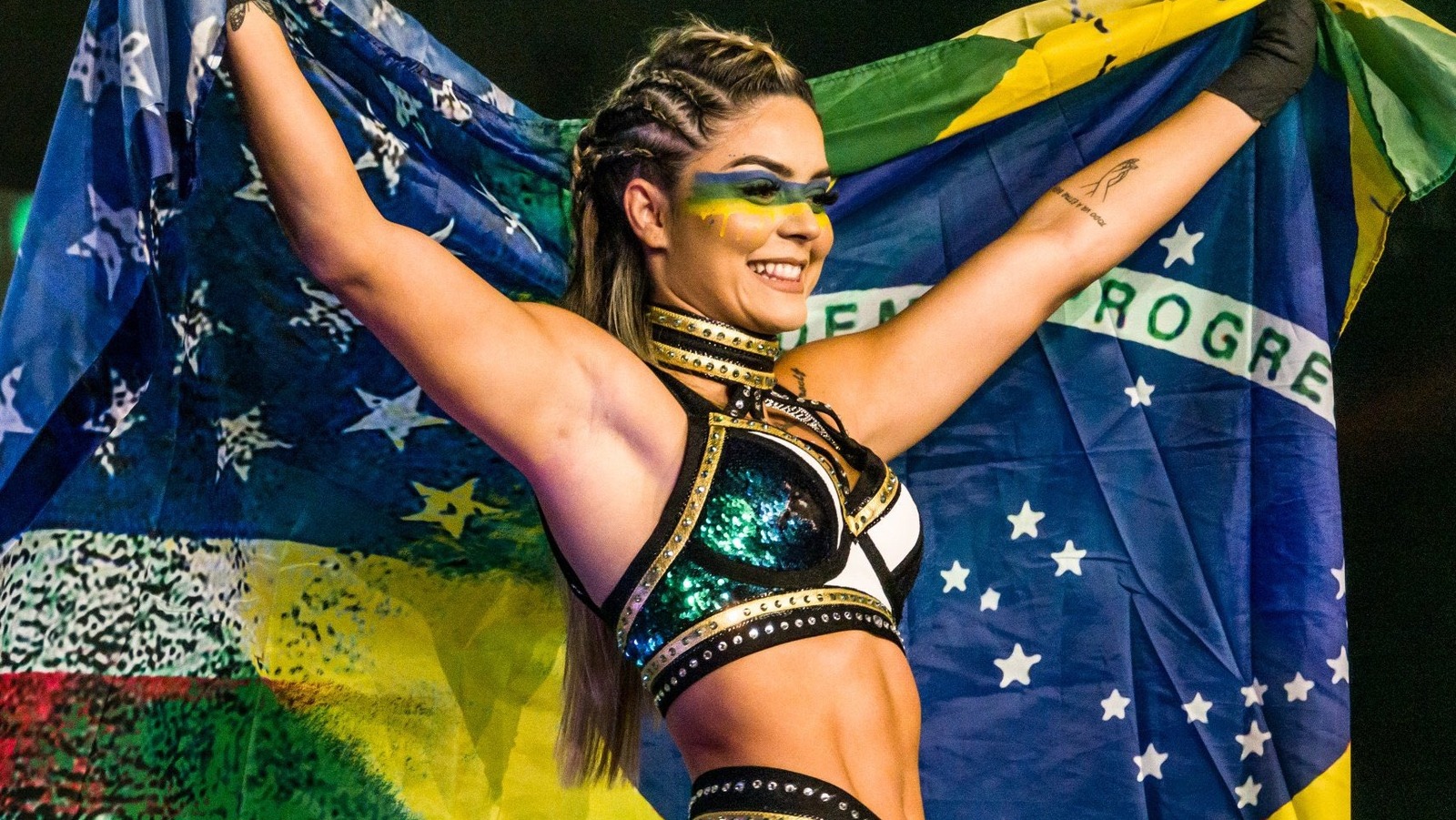
Tay Melo’s exit highlights AEW’s thinning roster depth
2 hours agoNic Nemeth is walking into a trap on Impact
6 hours ago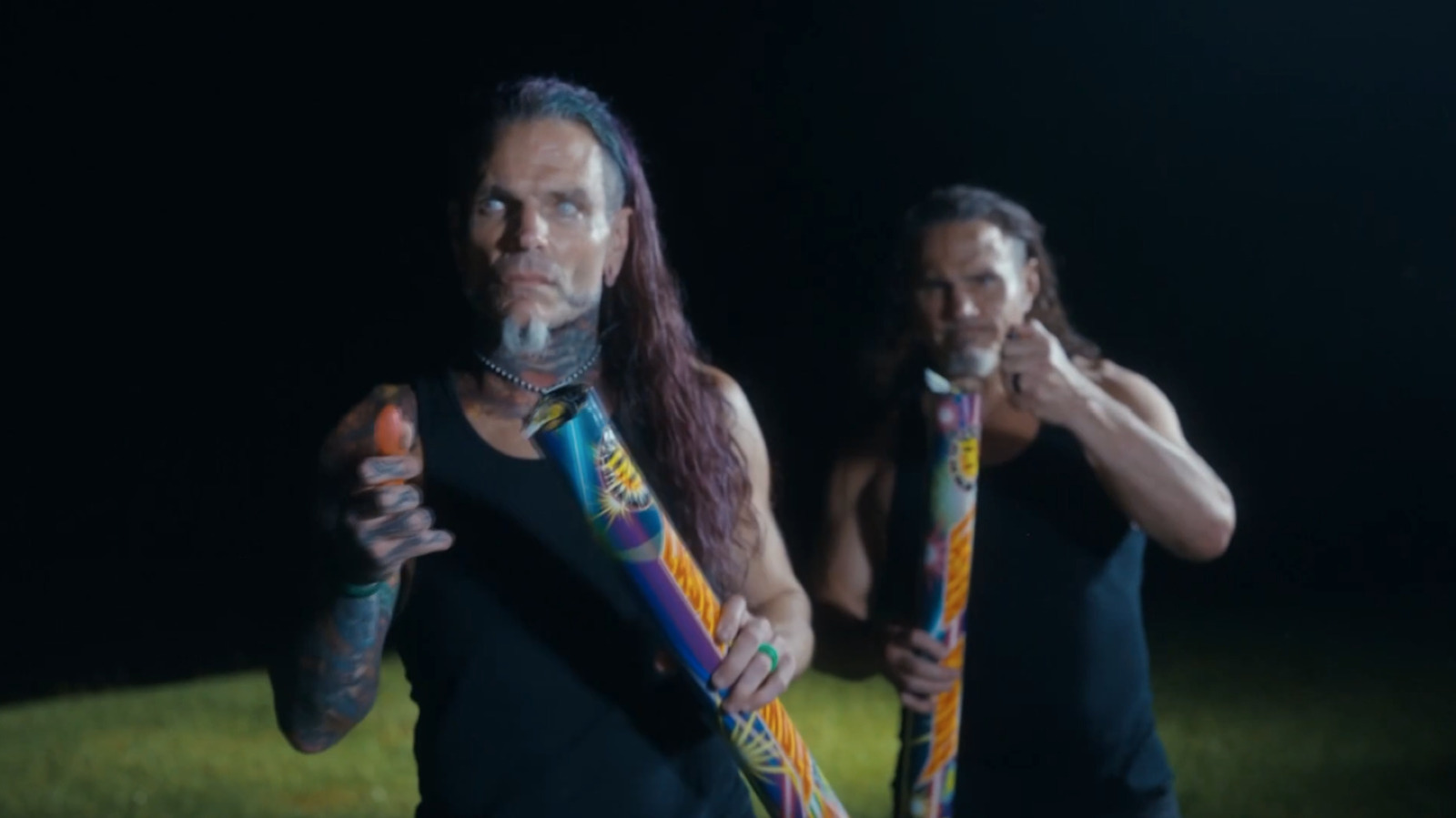
The Hardys are leaning into nostalgia while AEW fumbles the future
8 hours ago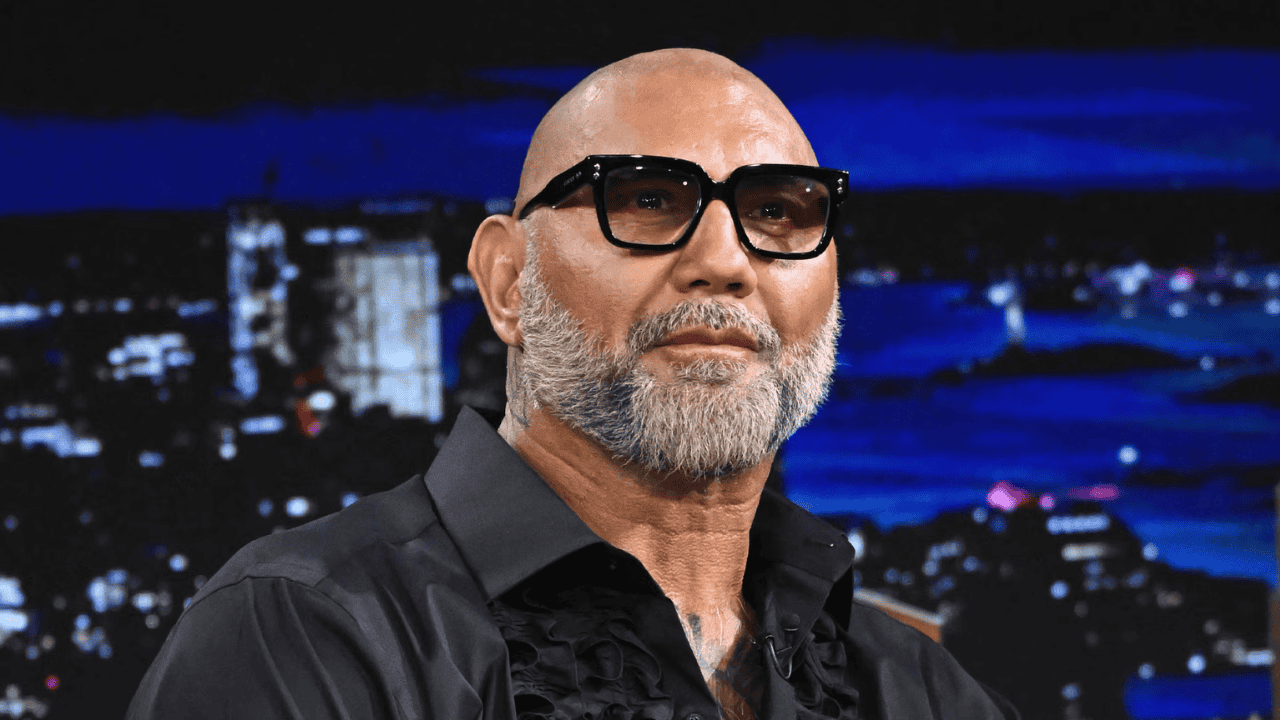
Why Dave Bautista's departure from wrestling remains the gold standard
13 hours agoJohn Cena's Hollywood success proves WWE's old main-event booking is officially dead
18 hours ago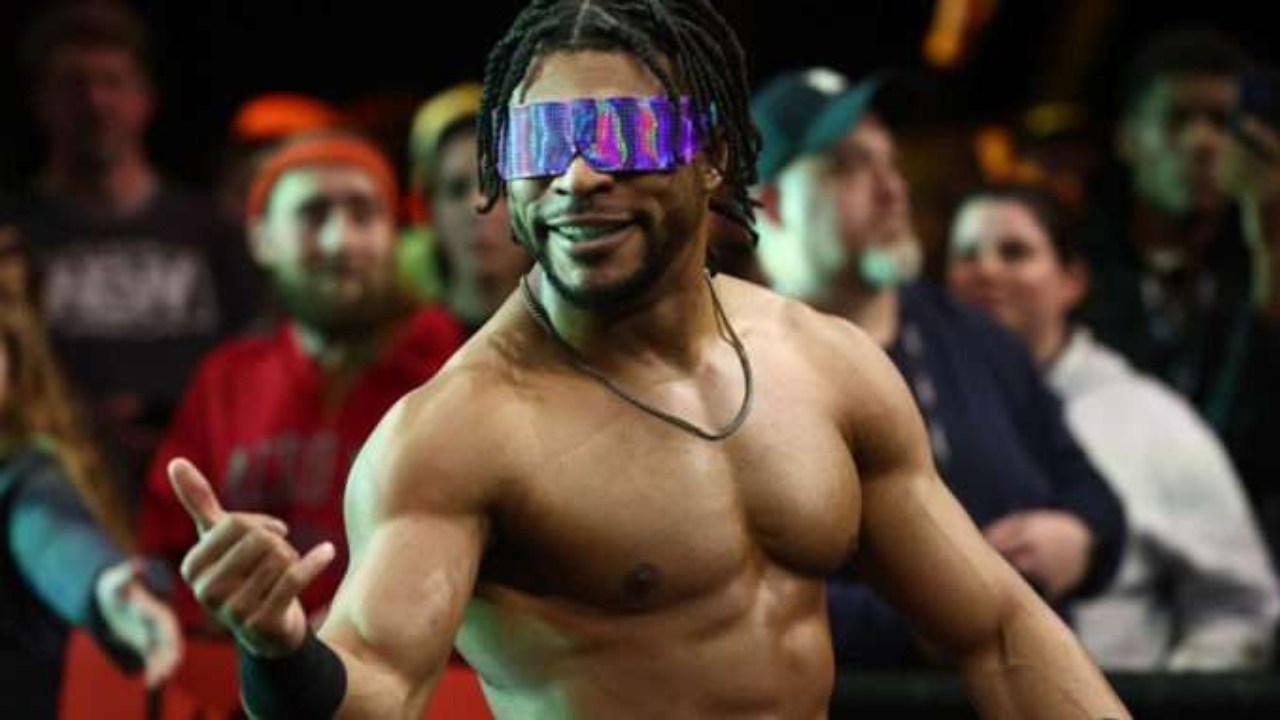
Kevin Knight is the AEW main eventer you aren't watching yet
22 hours agoMore Analysis

NOAH is burning out its midcard on the Lethal Odyssey road
1 week, 4 days ago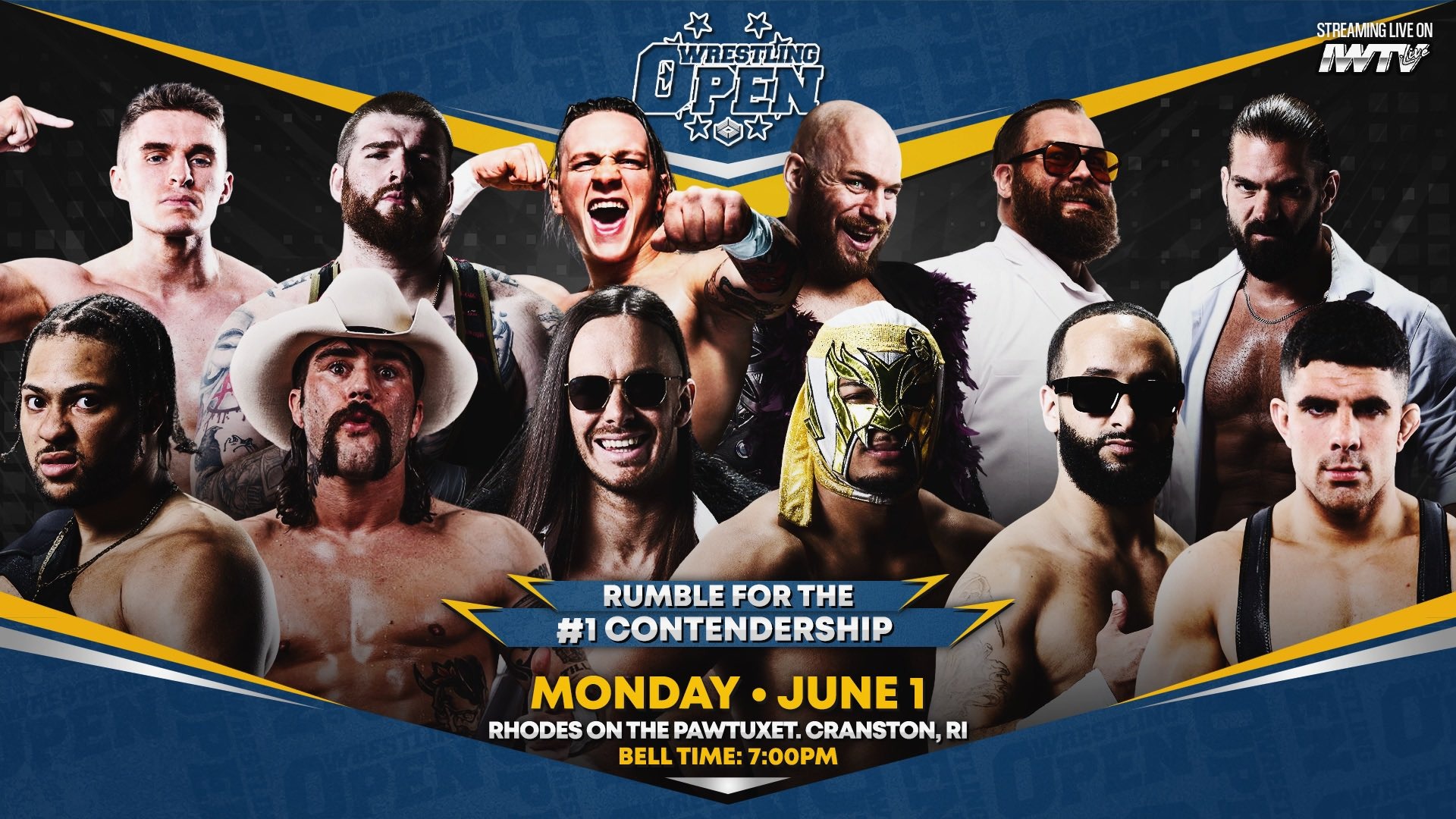
Why the Global Tag League is testing Noah's booking limitations
1 month, 2 weeks ago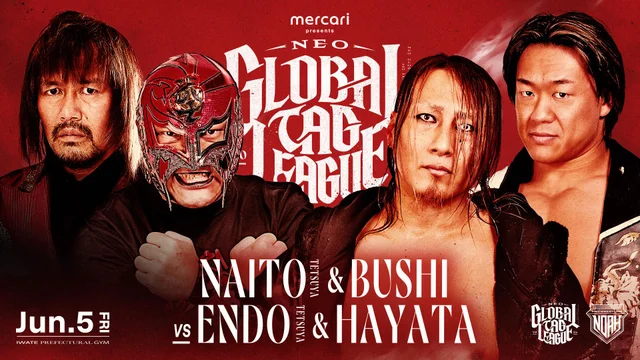
NOAH's Neo Global Tag League is burning through talent at Morioka
1 month, 2 weeks ago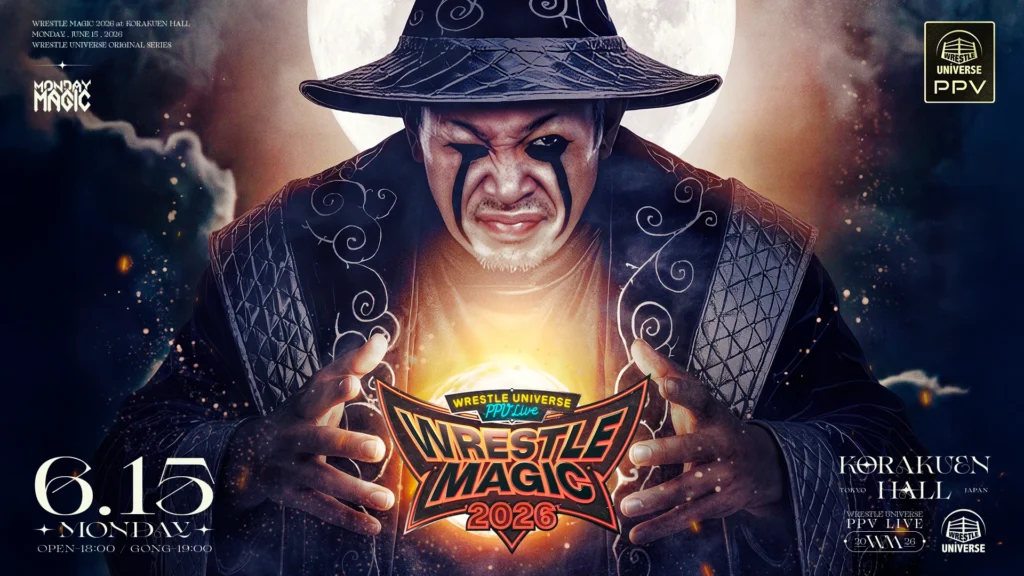
Wrestle Magic 2 is set, but Noah's grueling schedule is a medical disaster
2 months ago
Japanese wrestling is currently stuck in a weird purgatory
2 months ago