The gilded cage of the midcard purgatory
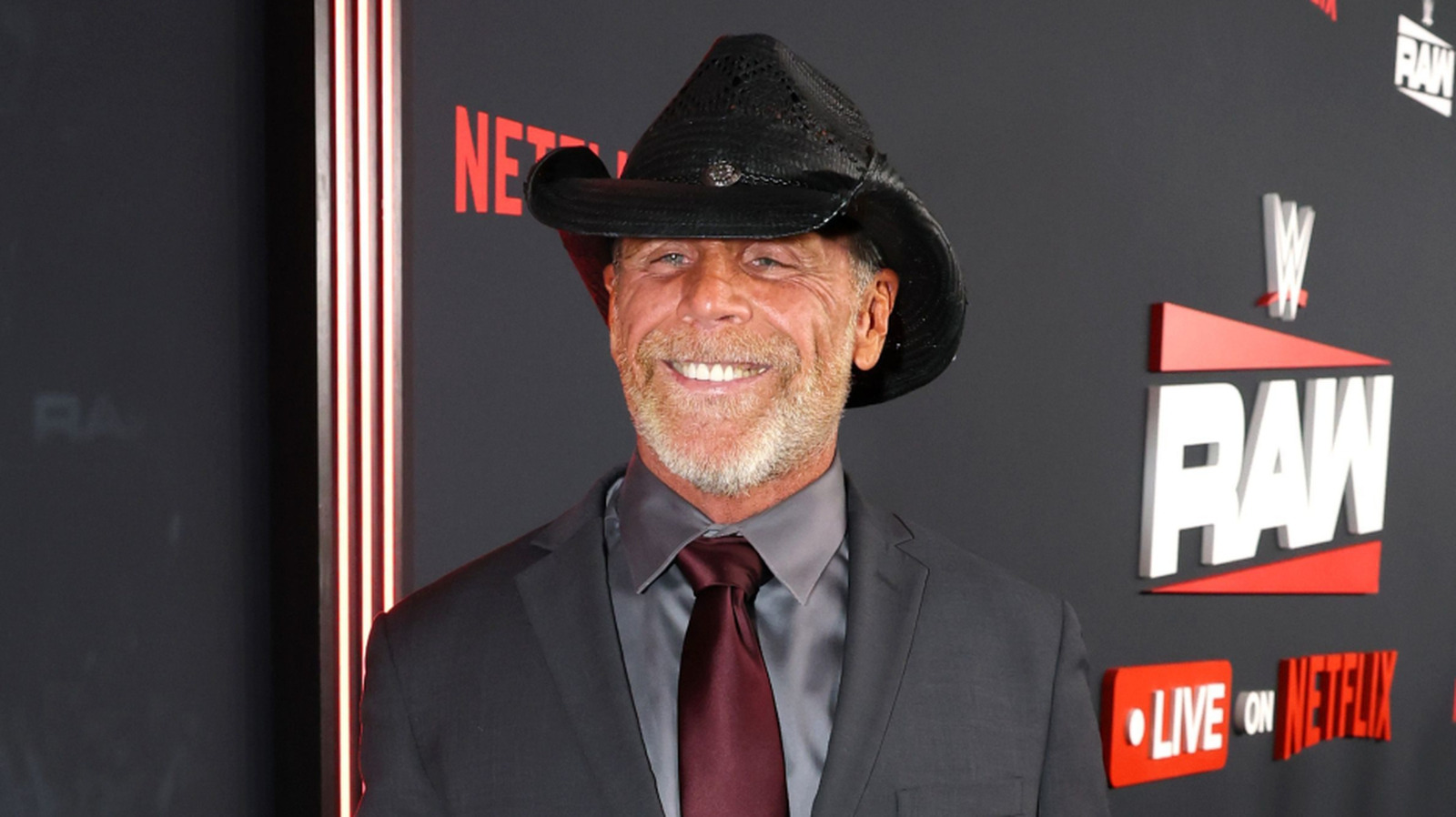
We are exactly one week away from WrestleMania 41 in Las Vegas, and the hype is thick enough to choke a horse. You can practically smell the pyrotechnics and the desperation from the secondary market ticket sellers. But while the world focuses on Cody Rhodes defending the gold and John Cena’s long goodbye, I can’t stop thinking about the guys who aren't there. Specifically, the guy who spent fifteen years being the best insurance policy the McMahon family ever owned: Nick Nemeth.
You might remember him as Dolph Ziggler, the man who sold a simple clothesline like he’d been hit by a runaway freight train. For a decade, he was the guy you put in the ring when you needed a 4-star match out of a 2-star talent. He was the ultimate gatekeeper, a man so technically proficient and reliable that the company essentially punished him for it. Being a "good hand" in the WWE is like being the world’s best dishwasher; you’re vital to the operation, but nobody is ever going to put your face on the menu.
As Ringside News recently detailed, Nemeth finally did the unthinkable. He walked away from a massive, lucrative contract because he realized that the zeros in his bank account couldn't fill the void where his pride used to live. He asked to leave early. In a world where guys cling to the bottom of the roster just to see their names on a catering list, Nemeth chose the cold, hard reality of the indies and Japan. He traded a comfortable retirement for the chance to actually matter again.
The myth of the corporate script
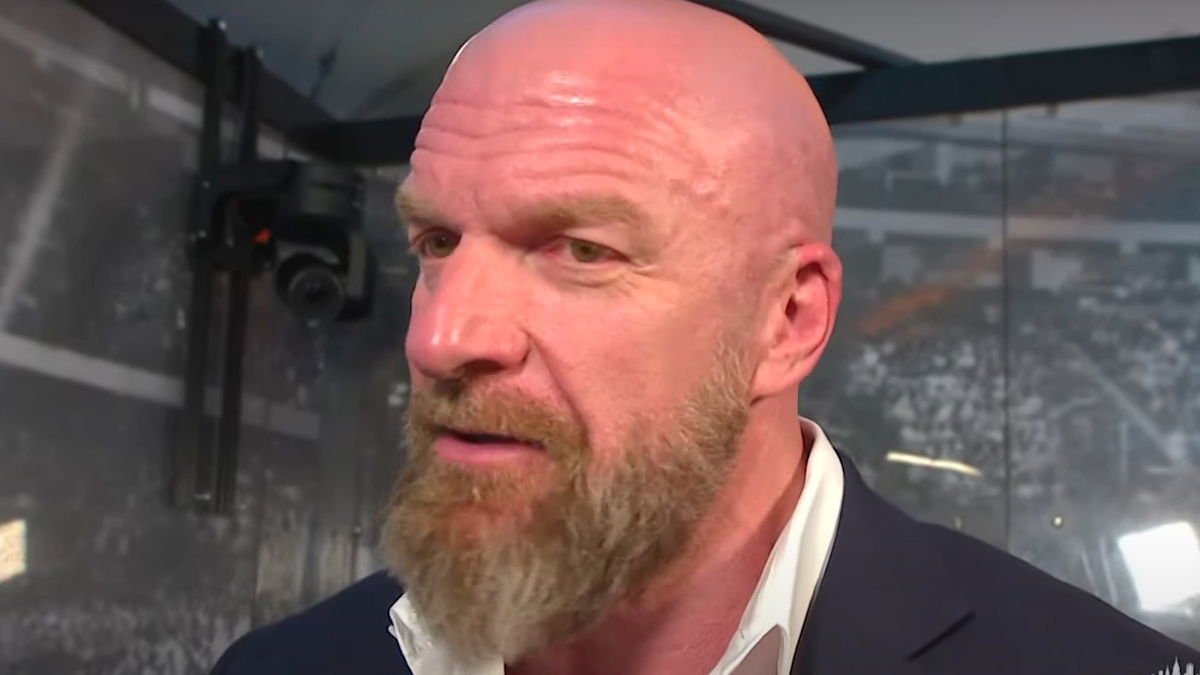
It is ironic that Nick Nemeth had to leave to find his voice, especially when the man currently running the show, Paul "Triple H" Levesque, built his entire legend on the exact opposite of the modern corporate structure. We love to talk about the "Triple H Era" of creative like it's some sort of revolutionary uprising, but let’s be real: the current product is still polished to a mirror finish. It is safe. It is predictable. It is the polar opposite of how The Game was actually born.
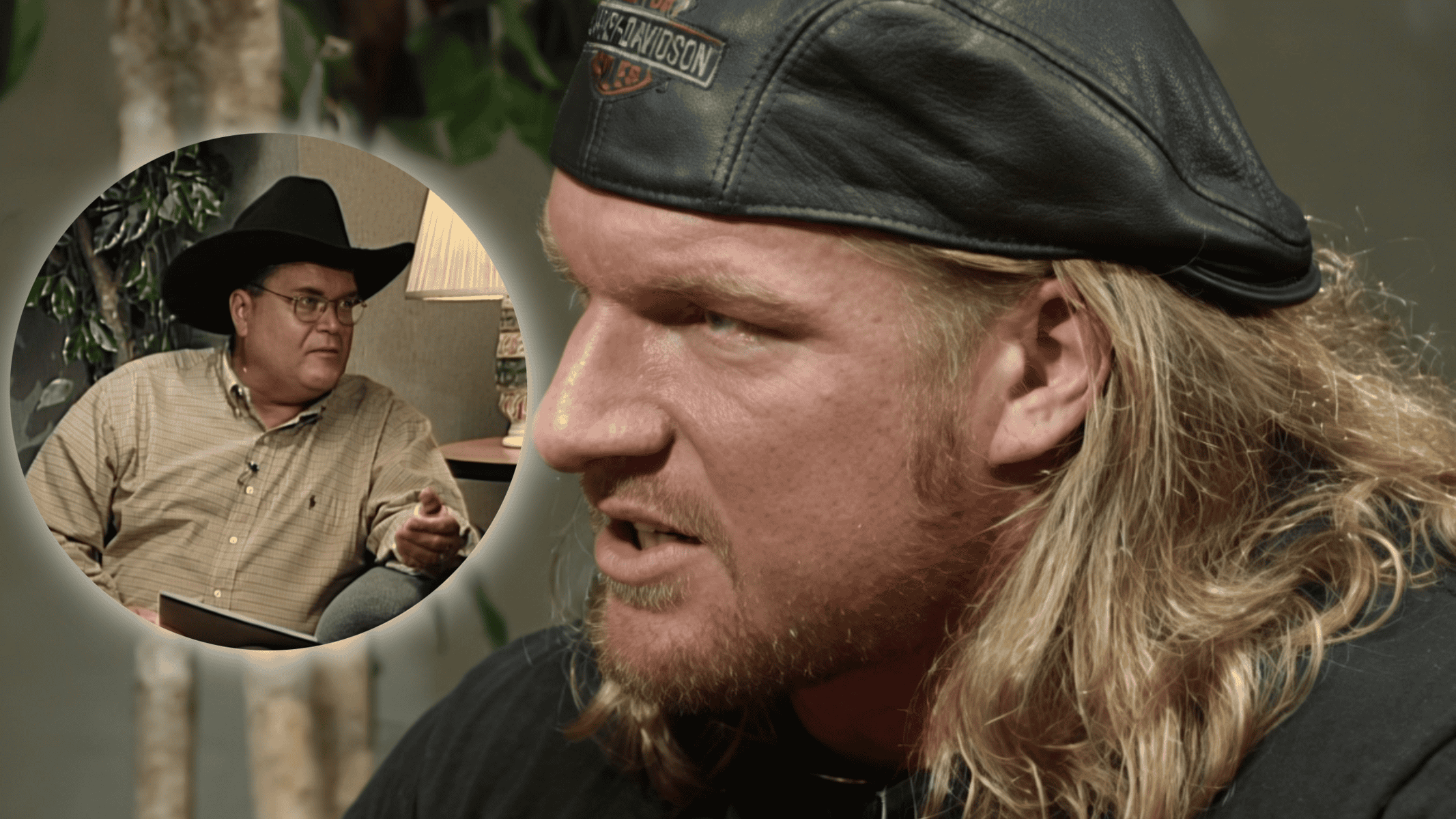
Triple H recently sat down to talk about his history, and he dropped a bomb about the promo that changed his career. You know the one—the 1999 sit-down with Jim Ross where he officially shed the blueblood skin and became the cerebral assassin. As WrestlingNews.co reported, that entire segment was completely unscripted. There was no writer in a headset. There was no focus-grouped bullet point list. It was just a guy with a chip on his shoulder and a microphone, telling the truth until it hurt.
"Triple H reveals the 'Game' promo with Jim Ross was unscripted."
That is the tragedy of the modern system. Nick Nemeth could have given us a thousand "Game" promos if he wasn't busy reading lines written by a former soap opera writer who thinks a headlock is a type of luggage. When the machine becomes more important than the man, the magic dies. Nemeth didn't just leave a contract; he escaped a factory. He knew that if he stayed, he’d just be another cog in the WrestleMania 41 promotional machine, probably losing to a YouTuber in the third minute of a pre-show match.
Locker room politics and the respect of the hated
The irony here is that the locker room used to be a place where talent outweighed politics, even when the politics were toxic as hell. Look at the Kliq. We’ve spent thirty years hearing about how Shawn Michaels, Triple H, Kevin Nash, and Scott Hall buried everyone in sight. They were the original gatekeepers, the guys who allegedly protected their spots with the ferocity of a starving pitbull. But there was a limit to their ego, and that limit was respect for the craft.
There is a story currently making the rounds that perfectly illustrates this. Back in the mid-90s, Bam Bam Bigelow was the best big man in the world. He was also a guy who absolutely loathed the Kliq. He didn't hide it. He didn't play the game. And yet, when the office was looking to trim the fat and get rid of the Beast from the East, the Kliq stepped in. According to new reports from Triple H, the group unanimously voted to keep Bam Bam on the roster. They knew he hated them, but they also knew he was too damn good to lose.
Contrast that with the modern era. Today, if you aren't "compliant," you’re gone. If you don't fit the brand identity, you’re phased out. Nemeth was the modern-day Bam Bam in terms of utility, but he didn't have a Kliq to save him. He just had a front office that saw him as a very expensive, very talented insurance policy. They were happy to pay him one million dollars a year to sit on the bench, as long as he didn't go play for the other team.
Why the 2026 scene needs a reality check
We are living in an era where the matches have never been more athletic, but the characters have never felt more hollow. Everyone is a "superstar," which means nobody is a legend. When I look at the card for next Sunday, I see a lot of great wrestlers, but I don't see many people who feel like they’re speaking from the gut. It’s all brand-aligned. It’s all sanitized for the sponsors.
- Cody Rhodes is the perfect corporate champion, but he’s one bad storyline away from feeling like a mascot.
- Gunther is a beast, but he’s being booked with the clinical precision of a Swiss watch.
- Roman Reigns is the sun the entire system orbits around, but even he feels like he’s playing a character written in a boardroom.
The reason Nick Nemeth’s departure feels so significant right now is that it’s a reminder of what’s missing. He didn't want the security. He wanted the struggle. He wanted to go to a place like TNA or NJPW where he could hit a superkick and have it actually mean something, rather than just being a transition move at 14 minutes into a TV match that ends in a distraction roll-up.
The cost of being too good
The harsh truth about the WWE in 2026 is that it’s a meritocracy of the mediocre. If you’re too good at making others look good, that is all you will ever do. Nemeth was the victim of his own excellence. He could take a bump from a broomstick and make the broomstick look like a Hall of Famer. So, naturally, the office kept feeding him to every newcomer who needed a "rub."
But the "rub" only works if the person giving it still has some shine left. By the end of his run, the Ziggler character was so diluted that beating him didn't even feel like an accomplishment. It felt like a chore. That is the negative reality of the "good hand" trap. You spend so much time building others up that you eventually find yourself standing in a hole you dug for yourself. It’s a miserable way to spend a career, and it’s why I can’t blame him for walking away from that pile of money.
We need to stop pretending that every signing is a "win" for the wrestler. Sometimes, the real win is getting the hell out of there before your soul turns into a corporate logo. Triple H can talk all he wants about unscripted promos and the "good old days" of locker room respect, but as long as the machine is in charge, the Nick Nemeths of the world will always be better off on the outside looking in.
WrestleMania 41 will be a massive success. It will break every gate record and sell more t-shirts than a suburban mall. But somewhere in a gym in Japan or a high school auditorium in the Midwest, Nick Nemeth is going to walk through a curtain and feel something that no amount of WWE stock options can buy. He’s going to feel like a pro wrestler again. And honestly? I’d take that over a twenty-minute spot on the Vegas card any day of the week.
The fans aren't stupid. They know when someone is mailing it in, and they know when someone is being held back. Nemeth knew it too. He saw the writing on the wall, and instead of just cashing the check, he tore the wall down. That takes more guts than anything we’re likely to see in the ring next Sunday night. If this is the new standard for "insider" moves, I hope more guys follow his lead. The industry is better when the talent refuses to be domesticated.
Read Next