The easiest button to push in professional wrestling
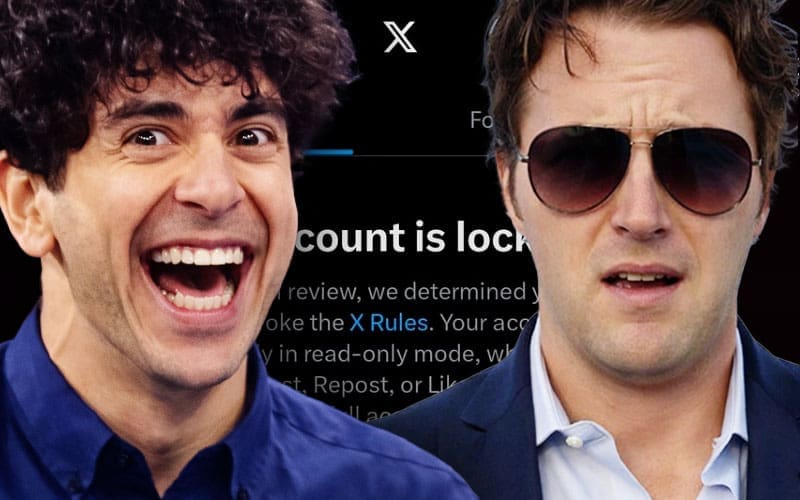
If you want engagement on the internet in 2026, you have two reliable options. You can either post a wildly controversial take about a major pop star, or you can say something mildly negative about All Elite Wrestling. Nick LoPiccolo clearly understands this dynamic. After facing significant heat for his recent comments regarding the promotion, he didn't walk his statements back. He didn't issue a notes-app apology. Instead, he logged onto YouTube and threw gasoline on the fire.
The entire sequence of events is entirely predictable. A personality makes a comment about AEW's booking, attendance, or television ratings. The most vocal segment of the fanbase mobilizes on social media to defend the company's honor. The original commentator then uses that predictable outrage to generate a second wave of content. It is a grift, but it is an undeniably effective one. LoPiccolo's latest sarcastic jab at the fans who criticized him proves he is perfectly comfortable playing the villain for clicks.
This isn't a new strategy. We have seen managers and heel wrestlers do this for decades. Bobby Heenan made a career out of insulting local sports teams to get a reaction. The difference now is that the people working the fans aren't always on the payroll. They are podcasters, writers, and content creators who recognize that tribalism pays the bills. When LoPiccolo responded to the backlash with deliberate trolling, he was just running a play from a very tired playbook. It takes zero creativity to make an AEW fan mad on the internet today.
The frustrating part for anyone watching from the outside is how willingly the audience plays along. It is a symbiotic relationship between the troll and the trolled. Without the angry replies, the initial comments disappear into the void of the internet. With them, the comments become a story. The fans think they are defending their favorite promotion, but they are actually just acting as unpaid promotion for the person they claim to hate.
The origin of the defensive fan
To understand why this specific fanbase is so prone to taking the bait, you have to look at how AEW was built. The company was founded on the idea of being an alternative to the WWE machine. They positioned themselves as the promotion for the hardcore, thinking fan. From the very beginning, supporting AEW was framed as a rebellion against sports entertainment. That creates a deep emotional investment. When you tie your identity to an insurgent brand, any criticism of that brand feels like a personal attack.
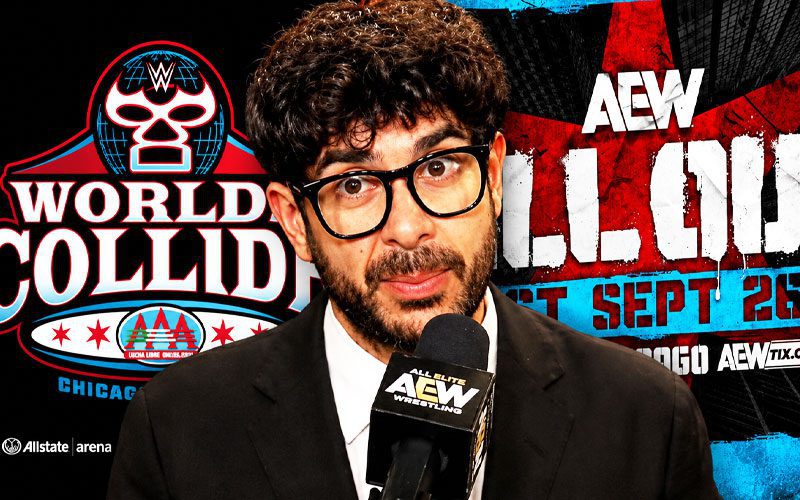
Tony Khan has actively encouraged this mindset. The AEW President frequently takes to social media to fire shots at WWE or defend his booking decisions against anonymous internet critics. When the boss is constantly on the defensive, the fans follow his lead. Khan's willingness to engage with bad-faith arguments has essentially given his most ardent supporters permission to do the same. If the billionaire owner can get drawn into Twitter spats, why shouldn't the fans?
This creates an environment ripe for exploitation. Personalities like LoPiccolo know that the AEW fanbase is essentially a powder keg waiting for a match. They don't even need to make a valid critique of the product. They just need to sound dismissive enough to trigger the defense mechanisms that have been built up over the last seven years. It is psychological warfare masquerading as wrestling analysis.
The real casualty here is actual, constructive criticism. AEW is not a perfect wrestling company. They struggle with episodic television pacing. They frequently sign talented wrestlers and then lose them in the shuffle of a bloated roster. These are structural issues that deserve thoughtful discussion. But when the discourse is dominated by bad-faith trolling and hyper-defensive reactions, nuanced conversations become impossible.
Taking the bait every single time
You have to wonder when the most defensive AEW supporters will realize they are the punchline to the joke. The promotion has existed long enough now that it shouldn't need a digital defense force for every perceived slight. Yet, the reaction to LoPiccolo's initial comments was fierce enough to warrant a response. By getting angry, the fans gave him exactly what he wanted. He weaponized their frustration and turned it into a YouTube video that will undoubtedly perform well.
There is a frustrating lack of self-awareness on both sides of this exchange. LoPiccolo's decision to troll his critics feels cheap. It is the lowest hanging fruit available in wrestling media. Instead of offering a nuanced breakdown of whatever issues he initially saw with the AEW product, he opted for a sarcastic jab. It reduces actual wrestling analysis to a shouting match. On the other hand, the fans who bombarded him with complaints are equally responsible for keeping this cycle alive.
Tony Khan's company has plenty of real problems to address as they head toward Double or Nothing later this month. They have roster management issues, pacing problems on television, and the constant struggle to maintain momentum against a red-hot WWE. Those are valid topics for discussion. But that isn't what this internet drama is about. This is about ego and engagement metrics.
The fans who spend their days arguing with YouTube personalities aren't actually helping AEW. If anything, they are reinforcing the stereotype that the fanbase is insular and unwelcoming to new viewers. A casual fan scrolling through social media and seeing a toxic argument over a minor critique is more likely to keep scrolling than to tune into Dynamite. The tribalism acts as a gatekeeping mechanism, actively hurting the company's ability to grow.
The YouTube economy of wrestling discourse
The medium matters here. By taking his response to YouTube, LoPiccolo shifted the argument from text to video. He can control the tone, use sarcasm effectively, and monetize the views. He isn't fighting a war of ideas. He is farming impressions. The fans leaving angry comments under his video are simply boosting his algorithmic reach.
It is exhausting to watch this play out week after week. The wrestling internet has become entirely fractured. You are either a loyal soldier for one brand or a hater. There is very little room for neutral ground. When personalities like LoPiccolo lean into the trolling, they widen that divide. It might be good for his personal brand in the short term, but it makes the overall community worse.
If you look at the top performing content in the wrestling space right now, a depressing amount of it revolves around negativity. Praise doesn't sell as well as outrage. A thoughtful breakdown of a great Will Ospreay match will often get fewer views than a ten-minute rant about a botched finish on Dynamite. LoPiccolo is just responding to the incentives the market has created. You can't entirely blame him for taking the easy money, even if the method leaves a bad taste in your mouth.
This economy thrives on the idea that every minor disagreement is a massive controversy. It relies on the inflation of conflict. A mild critique becomes a burial. A sarcastic joke becomes an attack. It is the wrestling promo structure applied to real-life discourse. Everyone is trying to cut a promo on everyone else, hoping to pop the algorithm and drive up their subscriber count.
The predictable fallout
The cycle will inevitably repeat itself. LoPiccolo's YouTube jab will likely be aggregated, clipped, and shared across various social media platforms. A new wave of fans will see it, get angry, and leave furious comments. He might get another entire video out of analyzing the secondary backlash. Eventually, the internet will get distracted by a different controversy, and this specific argument will fade away until someone else decides to poke the bear.
For fans who genuinely care about the sport of professional wrestling, the best move is usually to ignore it completely. The outrage machine only functions when people feed it. If the AEW fanbase collectively decided to stop responding to obvious bait, personalities would be forced to find a different way to generate attention. They would have to rely on actual analysis rather than cheap provocation. But that requires a level of discipline the internet simply does not possess.
Until that unlikely day arrives, we will keep seeing this exact scenario play out. A comment is made, the backlash follows, and the troll takes a victory lap on YouTube. It is the modern version of cheap heat. It doesn't draw money at the box office, and it doesn't move the needle for television ratings, but it certainly generates enough ad revenue to keep the lights on for the people willing to exploit the divide.
AEW is facing real challenges right now. The company is heading into a massive stretch of programming leading up to Double or Nothing. They need to focus on building compelling storylines and putting on spectacular matches. They cannot afford to be distracted by the noise. Unfortunately, a significant portion of their fanbase seems more interested in fighting phantoms on the internet than enjoying the product in the ring. As long as that remains true, people like Nick LoPiccolo will always have an audience.