The legacy trap and the reality of 2026
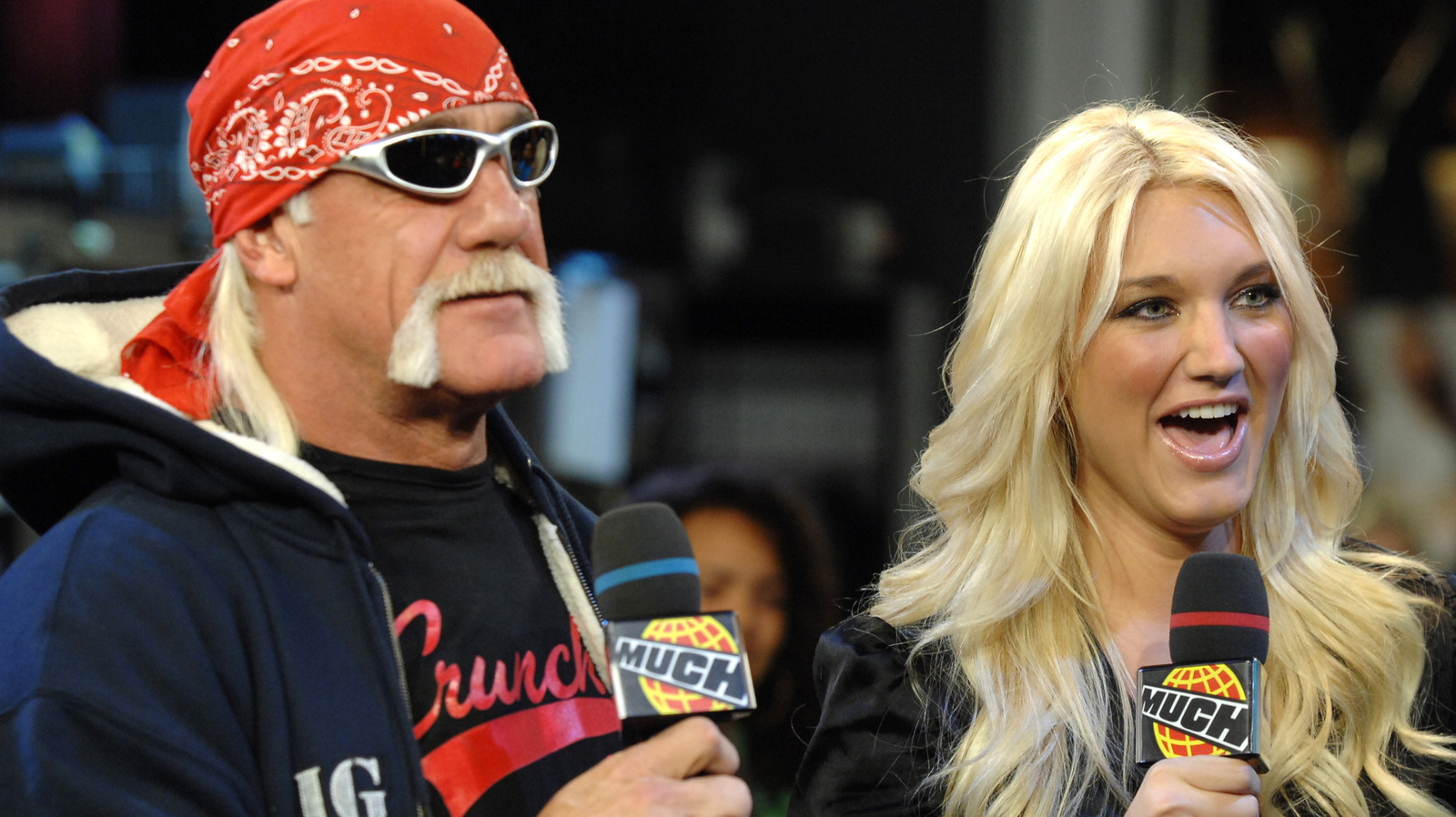
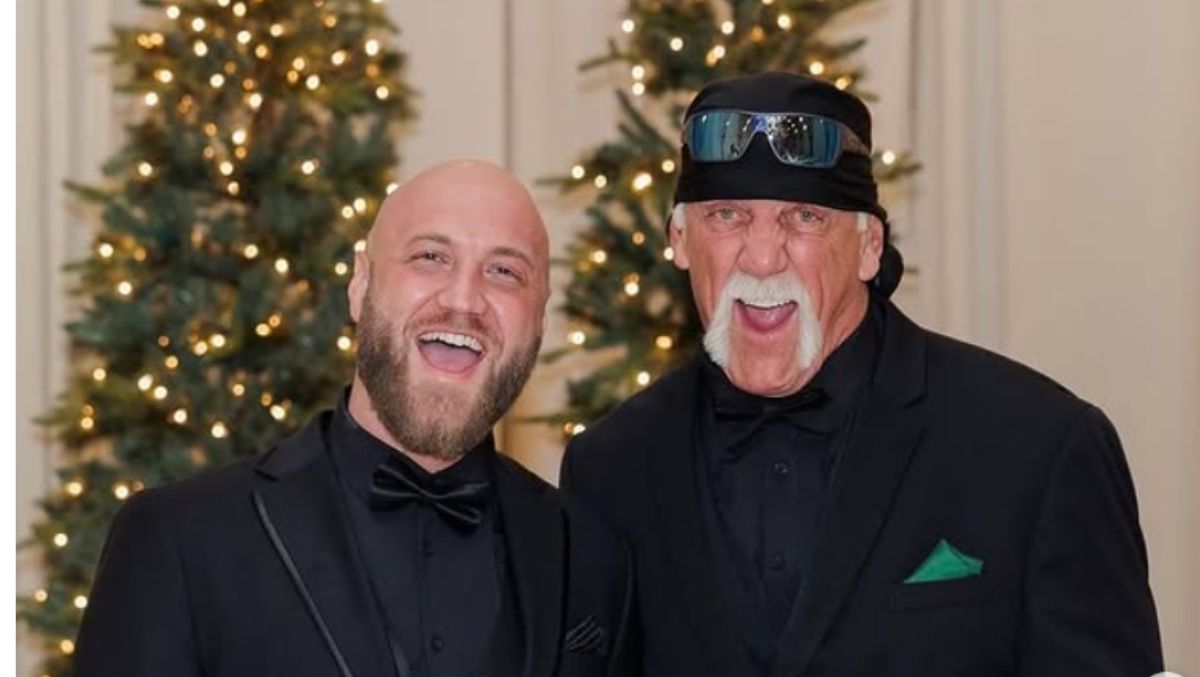
The wrestling news cycle is currently spinning a familiar, yet exhausted, yarn. Reports from F4WOnline and others indicate that Nick Bollea, better known to the public as Nick Hogan, is fielding offers from wrestling schools. It is the kind of story that would have set the message boards on fire in 2005, but in May 2026, it feels like a dispatch from a different era. The Hulkster’s son is now a 35-year-old man, and the window for him to enter the squared circle didn't just close; it was bricked over a decade ago.
Being the son of the most famous wrestler in history carries a weight that few can handle. We have seen the success stories like Charlotte Flair and Cody Rhodes, but those athletes dedicated their entire adult lives to the craft. Nick Hogan spent his formative years in the reality TV glow of 'Hogan Knows Best' and a drift through the drift-racing circuit. Transitioning to professional wrestling at this stage is less of a career move and more of a mid-life curiosity. It ignores the fundamental evolution of the sport that has moved toward high-level athleticism and specialized training pipelines.
The reports suggest schools are reaching out to him, but we need to look at the motivation behind those offers. Professional wrestling schools are businesses. Having the Hogan name on a flyer for a local indy show in Tampa is a marketing win for a trainer, regardless of whether the student can actually execute a transitional headlock. This isn't a talent scout from the WWE Performance Center looking for the next main-eventer; it’s a localized play for a name that still has some residue of 1980s nostalgia.
The Tony Khan lens on wrestling media
In a recent discussion regarding the state of the industry, AEW’s Tony Khan offered thoughts on the role of wrestling media, comparing it to the journalistic standards of traditional sports. Khan’s point is relevant here because the reporting of these "offers" often lacks the critical skepticism found in NFL or NBA coverage. In any other sport, a 35-year-old rookie with zero competitive background receiving "offers" would be treated as a PR stunt. In wrestling, it gets treated as a potential comeback story because the industry is still addicted to its own mythology.
If we apply those sports-media standards, the metrics for Nick Hogan are disastrous. He is entering a market that is more saturated with elite talent than at any point in history. Look at the roster for WWE Backlash, which is just six days away. The performers on that card are technical wizards or freakish athletes who have been in the system for years. There is no room for a hobbyist who is learning how to take a back bump in his mid-30s. The industry has moved beyond the era where a famous last name and a decent tan could get you a three-year contract on the main roster.
The technical demands of modern wrestling are also a massive barrier. The "Hogan style" of the 80s—the big boot, the leg drop, and three minutes of posing—is essentially dead as a viable main-stream work rate. Even the power wrestlers of today, like Bron Breakker, are expected to move with the agility of a cruiserweight. Nick has no tape, no athletic resume in this field, and no time to bridge the gap. He is starting at the bottom of a mountain that most people start climbing at nineteen.
The weight of the past and the Hogan brand
We also have to address the elephant in the room that most wrestling outlets are politely stepping around. Nick Hogan’s public image is still heavily colored by the 2007 car accident in Clearwater that left his passenger with permanent brain damage. In a corporate environment where sponsors are more risk-averse than ever, that baggage is a non-starter. Both WWE and AEW are multi-billion dollar entities that answer to boards of directors and global advertisers. They are not in the business of rehabilitating the image of a second-generation star with that kind of history.
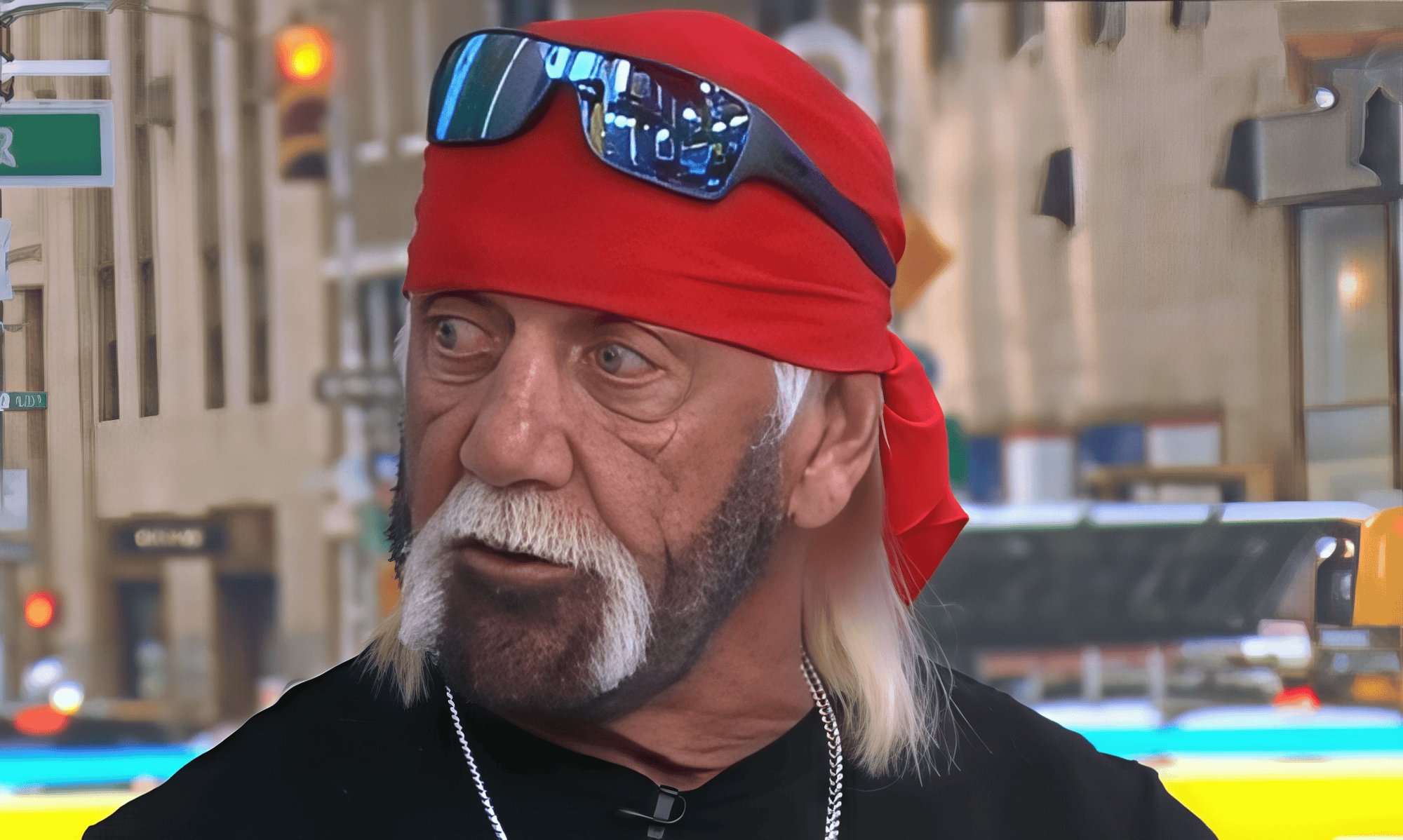
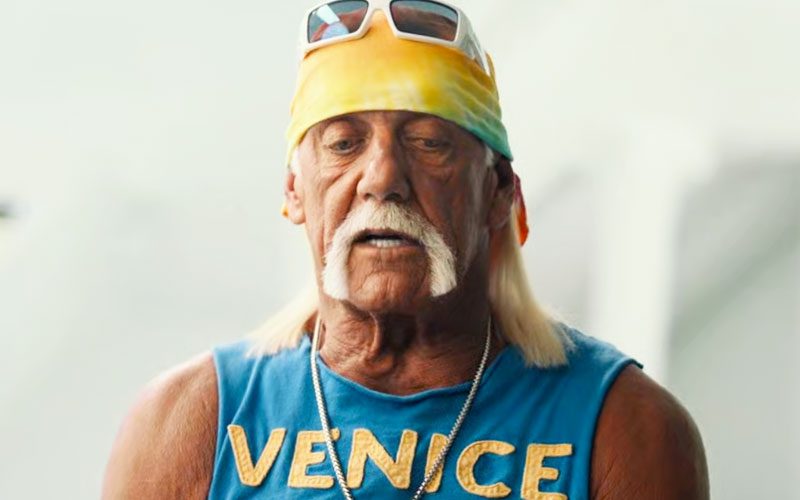
Beyond the personal history, the Hogan brand itself is no longer the bulletproof asset it once was. Hulk Hogan is a polarizing figure whose connection to modern audiences is tenuous at best. While the older demographic still pops for the "Real American" theme song, the younger viewers who drive the 18-49 demographic are more interested in the intricate storytelling of the Bloodline or the work-rate clinics in AEW. A Nick Hogan debut doesn't move the needle for the fans who are buying tickets to Double or Nothing on May 24.
The likely trajectory here is a short-lived documentary project or a one-off appearance for a Florida-based independent promotion. It’s the kind of thing that makes for a decent TikTok clip but a terrible career path. The wrestling world loves a comeback, but you have to have been there in the first place to make a return. For Nick, this isn't a return; it’s a desperate attempt to find a second act in a theater that has already started the next show.
Final tactical assessment
When you break down the numbers, the probability of Nick Hogan becoming a meaningful participant in the wrestling industry is near 0.0%. The age factor is the primary killer. Only a handful of wrestlers have ever started after 30 and reached the top—Diamond Dallas Page being the gold standard—but DDP was a freak of nature with a work ethic that bordered on pathological. There is no evidence that Nick possesses that kind of drive or the innate charisma required to overcome a 15 years disadvantage in experience.
Furthermore, the scouting departments at the major levels have moved toward collegiate athletes and seasoned independent veterans. The "Celebrity Second Gen" experiment has largely been retired in favor of the NIL (Next In Line) program. They want 22-year-old All-American wrestlers and track stars they can mold, not 35-year-old reality stars with name recognition that peaks with people who still remember the George W. Bush administration. The physical toll of learning to wrestle at 35 is also significantly higher, with recovery times slowing and the risk of injury skyrocketing.
Ultimately, this report about "offers" should be seen for what it is: a vanity play. Nick Hogan might step into a ring, he might even film a few promos, but he will never be a "pro wrestler" in the sense that the modern fan understands the term. The industry is too fast, too athletic, and too corporate to accommodate a Hogan reboot in 2026. The smartest thing for him to do is to let the legacy rest and find a path that doesn't involve catching a beating from guys who have been training since he was in high school.