The Stockton fighter is looking for a way home
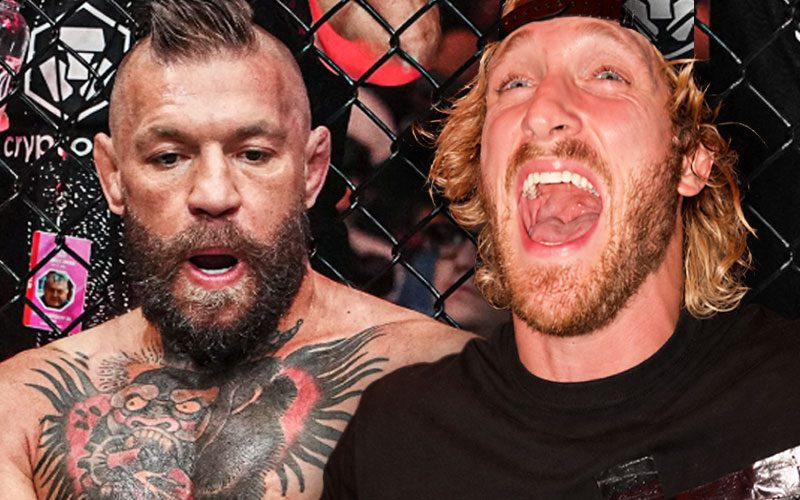
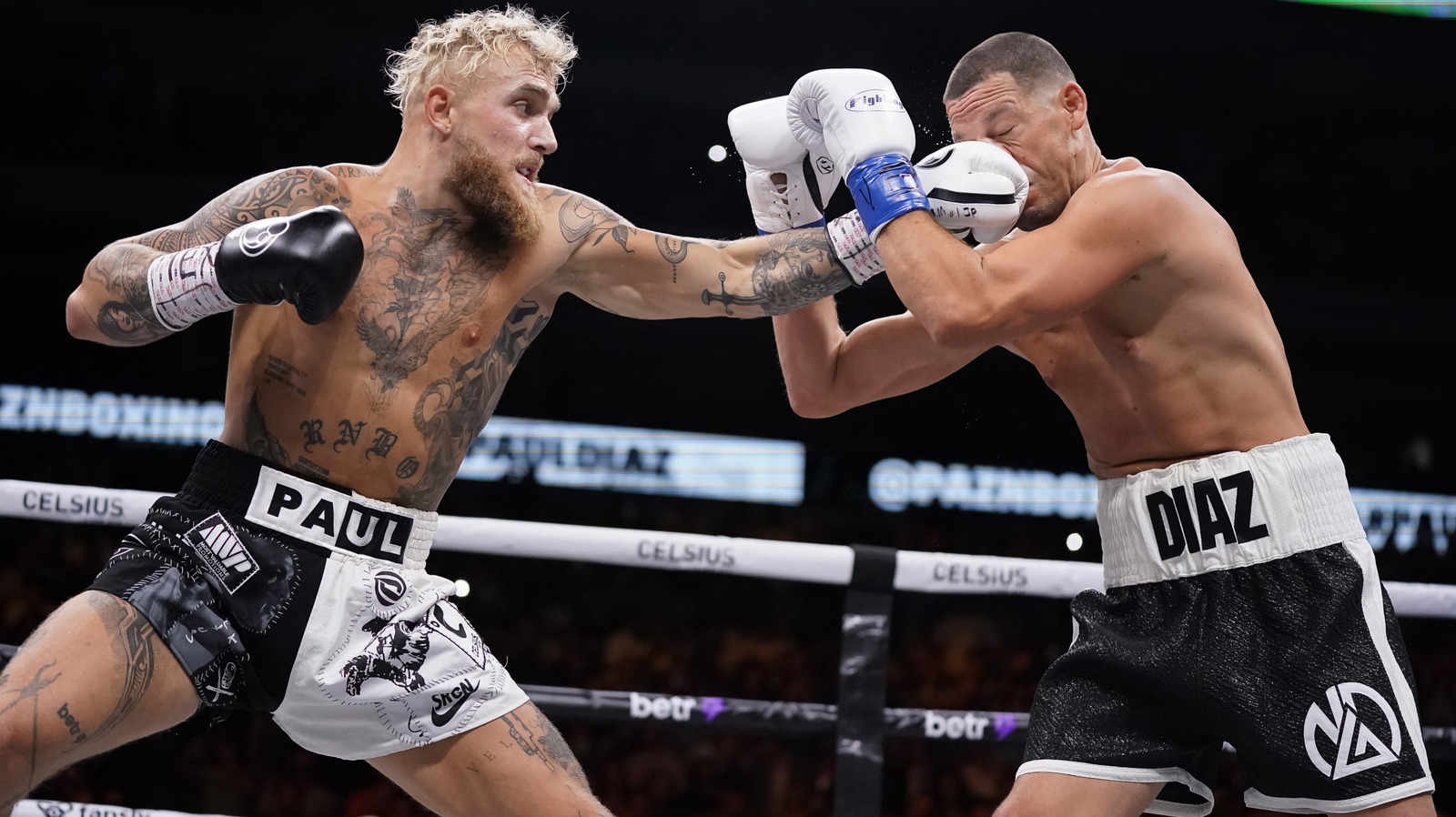
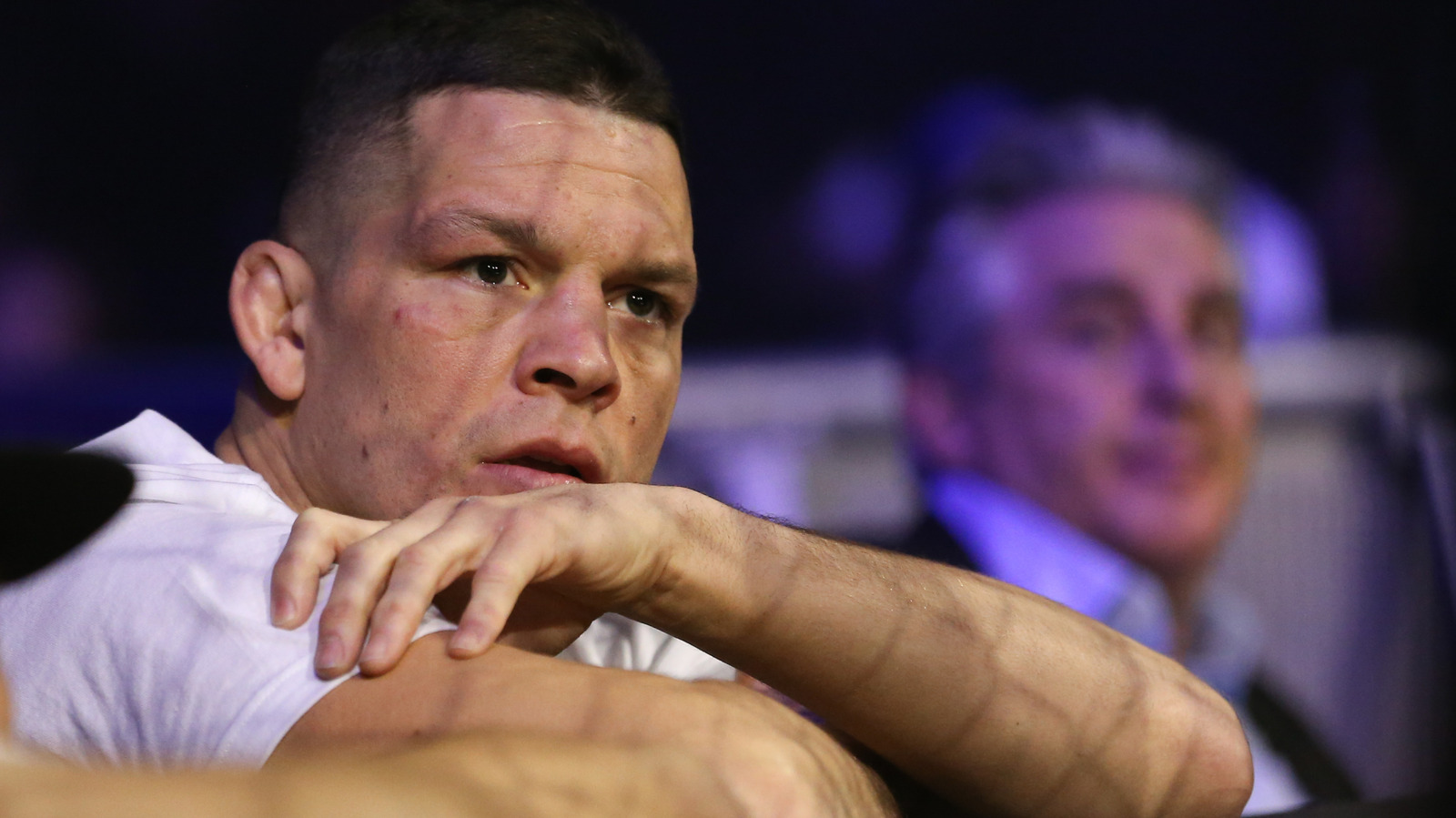
Nate Diaz is staring at the tail end of his career with a clear goal in mind. He wants back into the UFC octagon, but his vision for the final chapter rejects the obvious money move. As recently reported by Wrestling Inc, Diaz has zero interest in a trilogy bout with Conor McGregor.
For fans who expect the promotion to force a third paycheck for the legendary rivalry, this stance complicates the math. Diaz is viewing his legacy through a lens of personal preference rather than fiscal demand. After years of functioning as the division's unruly barometer, he is now setting his own terms for the return.
The weight of history and health
The conversation around Diaz recently shifted from tactical grappling to the long-term cost of the trade. During a wide-ranging discussion on the This Past Weekend podcast, Diaz and Theo Von navigated the heavy realities of brain trauma and medical mandates in combat sports, as noted in the coverage of their recent podcast exchange.
It is worth noting that Diaz remains vocal about institutional interference in athlete careers. He recently addressed the frustrating mechanics behind his brother Nick's historical marijuana suspension, clarifying that the UFC itself was not the body responsible for the sanctioning. This skepticism of the backroom machinery is a defining feature of the Diaz brand, even as he seeks the legitimacy of a UFC comeback.
Why the McGregor rejection matters
McGregor represents a specific type of circus that Diaz seems exhausted by. From a tactical standpoint, a third fight with the Irishman offers diminishing returns. They have already split the series 1-1, and both fighters have aged significantly since their second encounter in 2016.
If Diaz returns, he is likely looking for a high-level contender who offers a pure test of endurance rather than a marketing spectacle. The issue is whether Dana White can prioritize a meaningful sporting matchup over a guaranteed box office hit. Booking matches based on seniority rather than ranking has historically been the UFC's greatest weakness, and Diaz is effectively signaling he no longer wants to be a prop in that strategy.
The path forward
Expectation for his return must be tempered by the practical realities of the current roster. The lightweight and welterweight divisions are deeper than they were during his prime. Unless Diaz secures a favorable matchup—perhaps a striker who plays into his volume-heavy boxing style—he risks a sobering outcome against the younger, faster grapplers currently top-ten ranked.
My prediction? Diaz will sign for a one-fight return against an established veteran rather than a contender, prioritizing a clean exit over an ill-advised title run. The promotion will likely push for McGregor, feel the door slam shut, and eventually settle for a legacy opponent like Dustin Poirier or Justin Gaethje to close out the contract. It will not be a fairytale ending, but it will be on his specific, stubborn terms.