The Big Picture
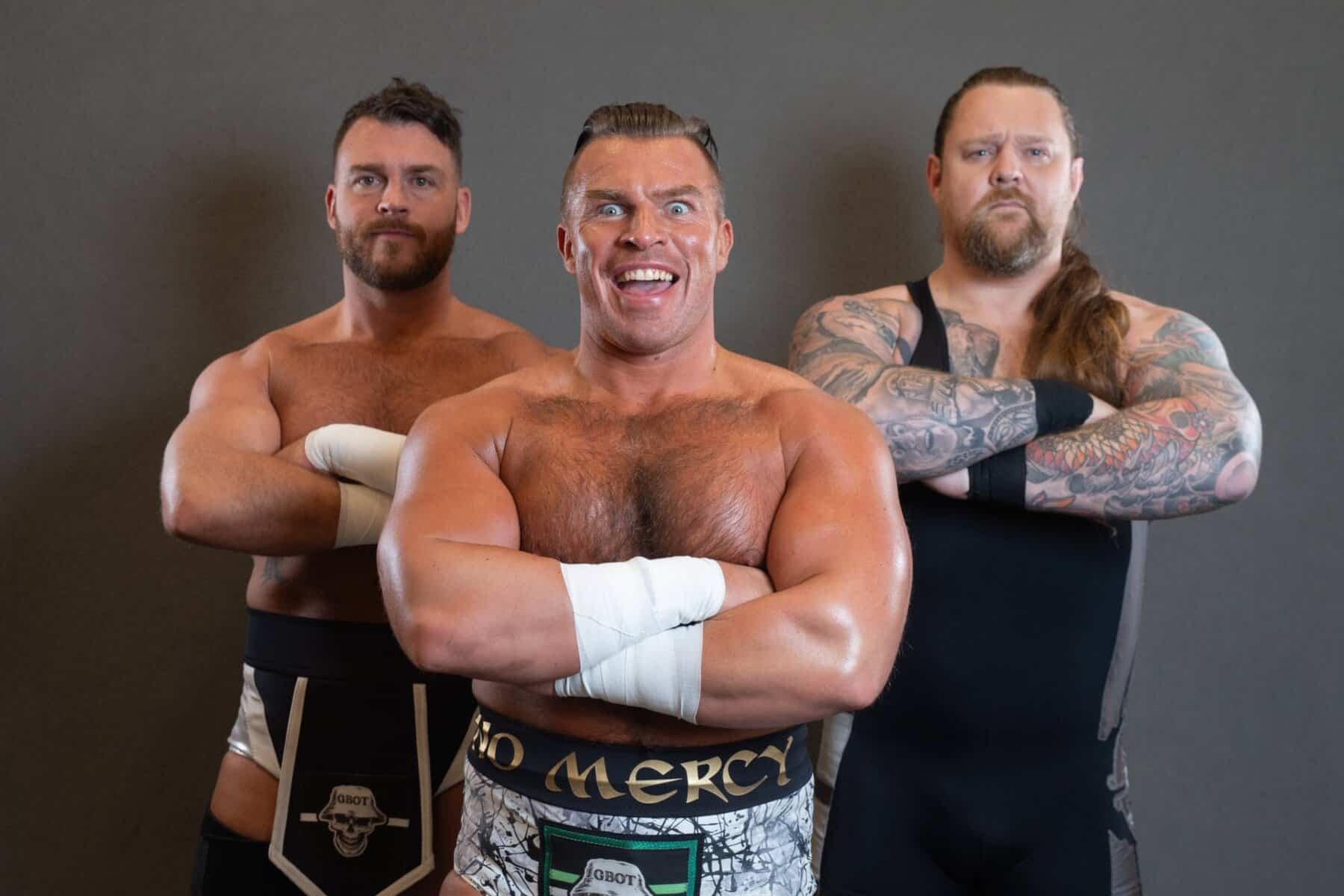
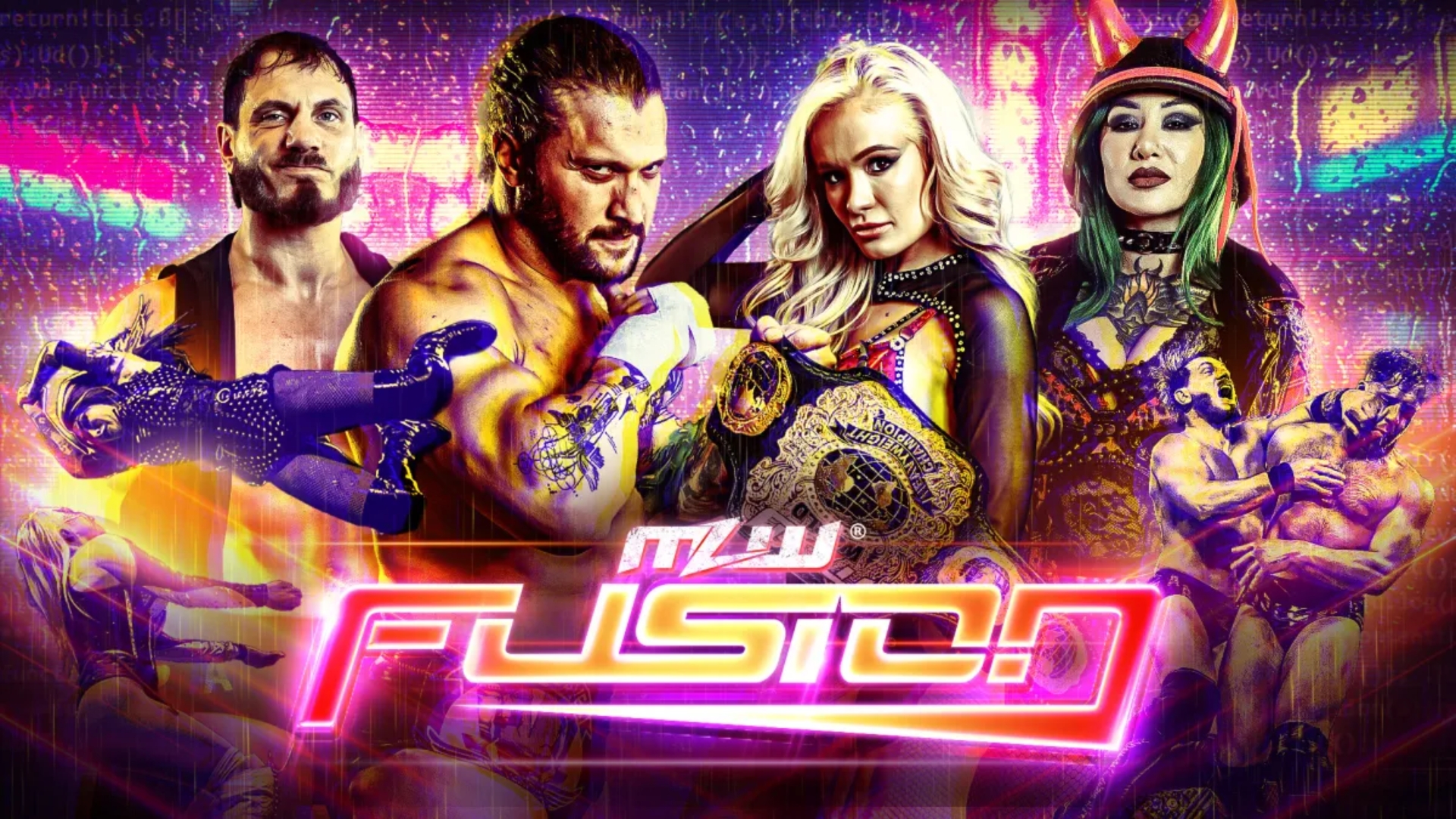
Major League Wrestling is not slowing down as it prepares for the spring relaunch of Fusion. After months of speculation following their surprise appearance at Battle Riot VIII in January, the trio formerly known as Gallus has officially put pen to paper. Joe Coffey, Mark Coffey, and Wolfgang—now collectively known as GBOT (Glasgow Boys On Top)—are the latest major acquisitions for Court Bauer’s promotion.
The signing represents a significant coup for MLW, which reportedly beat out interest from both TNA and the European independent scene to secure the trio. Since their release from WWE in May 2025, the group has been one of the most sought-after free agent acts on the market. Their arrival in MLW signals a clear shift toward a more rugged, heavyweight-centric product as the company settles into its new headquarters in Charleston.
Career Trajectory and the Post-WWE Reset
The path for Joe, Mark, and Wolfgang over the last year has been a lesson in patient rebranding. After a dominant run in NXT UK and a productive stint in Orlando, the group found themselves caught in the post-Endeavour merger roster cuts. They didn't rush back into the spotlight, choosing instead to wait for a platform that would allow them to maintain their hard-hitting identity without the restrictive scripting of their previous employer.
In MLW, they find a promotion that has historically thrived on the "outsider" narrative. Joe Coffey, in particular, has the kind of main-event presence that MLW has lacked since the departure of Hammerstone. His performance at Battle Riot VIII, where he lasted 22 minutes and eliminated several heavy hitters, proved that the layoff had not dulled his timing. He is a ready-made challenger for Matt Riddle’s World Heavyweight Championship.
Why MLW Suits the Trio
The fit here is almost too perfect. MLW has always leaned into a gritty, combat-sports aesthetic that mirrors the style the Glasgow trio perfected in Scotland and London. While AEW’s roster is currently bloated with high-flyers and technical wizards, MLW offers a space where a three-man wrecking crew can actually stand out as a primary attraction. They aren't just another group of guys; they are the new structural pillars of the division.
Creative direction seems focused on a collision course with The Good Brothers and the current tag champions, Donovan Dijak and Bishop Dyer. The prospect of GBOT facing Dijak and Dyer is the kind of "big man" wrestling that fans have been clamoring for. It’s a low-risk, high-reward signing for Bauer, who needs established names to anchor the television product as it moves to its new broadcast home this spring.
The Broader Roster Context
GBOT isn't the only news coming out of Charleston this week. The signing follows the multi-year deal for LaBron Kozone, which was finalized on March 5. Kozone, a former DPW standout, chose MLW despite a high-profile WWE tryout in January. Adding the Glasgow trio alongside Kozone and the recent re-signing of Shotzi indicates that MLW is finally spending the capital it saved during its 2025 transition period.
However, it hasn't been all expansion. The departure of Brock and C.W. Anderson in December left a void in the veteran presence of the locker room. There’s also the question of how Kushida’s schedule will work with his NJPW commitments. MLW is effectively rebuilding its mid-card and main event scenes simultaneously, a move that is as ambitious as it is risky given the current competitive environment.
Probability and Timeline
While the contracts are signed, the full-time integration of GBOT into the weekly television tapings is expected to begin with the Charleston relaunch in mid-April. Sources indicate that the deal is a multi-year exclusive for the United States, though the trio retains the ability to work select dates in the UK and Europe. This flexibility was reportedly a major factor in their decision to choose MLW over TNA.
The probability of this group becoming the centerpiece of the trios division is essentially 100 percent. They didn't come to South Carolina to sit in the mid-card. Expect a dominant run through the spring, likely culminating in a high-profile match at the next major event. The only real question is whether the audience will fully embrace the heel persona they’ve brought from overseas, or if they’ll become the kind of "cool heels" that complicate booking.
Critical Observations: The Risk of Over-Reliance
There is a danger here that MLW is becoming a landing pad for WWE releases rather than a scout of new talent. While GBOT are exceptional workers, the optics of building around a group that was let go by the market leader can sometimes feel like a regression. The company needs to ensure that homegrown talent like Bishop Dyer isn't overshadowed by the shiny new toys from Orlando.
Furthermore, the rebranding to "GBOT" feels slightly generic compared to their previous moniker. In a world where branding is everything, losing the Gallus name—even if necessary for legal reasons—requires a massive effort to rebuild that same level of recognition. The next three months of television will be the ultimate test of whether the name on the contract matters more than the names on the marquee.
Expected Impact
If handled correctly, GBOT gives MLW the most credible trios threat in the industry outside of AEW. They bring a level of professional polish and "big league" experience that elevates everyone they step in the ring with. Their presence allows MLW to run programs that feel like legitimate international incidents, tapping into the European market that has always been loyal to the Coffey brothers.
The immediate impact will be felt in the tag team rankings. A division that was looking thin after the summer 2025 releases of Delmi Exo and Akira now has a massive anchor. For fans of the promotion, the message is clear: the Charleston era is officially underway, and it’s going to be a lot more violent than the one that came before it.